
Sicily: high transport costs are widening the gap with the North

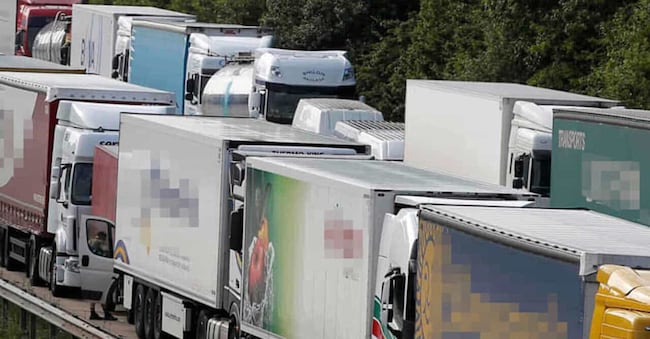
Over 8,000 euros extra on fuel in eight months. This is the additional cost calculated by the Transport Section of Confindustria Catania for a heavy goods vehicle travelling 100,000 kilometres a year. For Sicilian businesses shipping goods to the mainland, the cost of fuel is compounded by the cost of the vessel. According to the association, shipowners are passing on both fuel price rises and the costs of the ETS – the European Emissions Trading Scheme – to freight rates.
It is a region that has built high-tech supply chains centred on large factories, SMEs, universities and research centres that is bearing the brunt of this cost. The added value of Catania’s economy grew by 7.83 per cent in 2023 and by 3.14 per cent in 2024, according to the Tagliacarne Research Centre; however, businesses are also burdened by inadequate links between industrial estates, ports and railways, as well as energy costs, whilst the environmental transition requires new investment.
This is the picture that emerges from the report presented yesterday by the president of Confindustria Catania, Maria Cristina Busi Ferruzzi, to Minister Tommaso Foti, during the public meeting to mark the association’s centenary at the Benedictine Monastery. The dossier cites an estimate by the Sicilian Regional Government of approximately 7 billion euros per year for the total cost of insularity. Industrialists are calling for a permanent round-table between the Government, the Region and European institutions, a fund for the transition of island businesses – partly financed by ETS revenues – and the payment of subsidies for combined road-sea transport. Foti referred to the European strategy for islands and warned: ‘We must be very careful not to fall foul of state aid rules.’
In Sicily, the number of businesses involved in the single SEZ rose from 1,582 in 2024 to 2,353 in 2025, with over 1.5 billion in investment and tax credit claims totalling around 837 million over the past year. Confindustria is calling for a stable SEZ reserved for the South and a new ‘Southern Tax Relief Scheme’ funded by cohesion funds. “We are not asking for privileges, but for equal opportunities,” said Busi Ferruzzi. “‘The single SEZ has two aspects: one is regulatory simplification, the other is the tax credit,’ said Foti. ‘There is no problem whatsoever with keeping resources in the South,’ he added, pointing to 2.4 billion in the draft budget bill – 100 million more than the previous year.”
“The natural destination for future investment is Southern Italia, because there is no more room in the North. Sicily could become a national – and indeed European – energy hub,” said Foti. The minister highlighted the energy and water consumption of data centres and pointed to regional and macro-regional supply chain projects as a way to access the 360 billion that the EU’s 2028–2034 financial framework, according to Foti, earmarks for competitiveness, with benefits extending to SMEs as well.

