
History, craftsmanship and uniqueness captivate even the youngest generation
In brand storytelling, there is more and more room for a narrative that updates tradition and leverages exclusive services and tailor-made customer relations

4' min read
Key points
4' min read
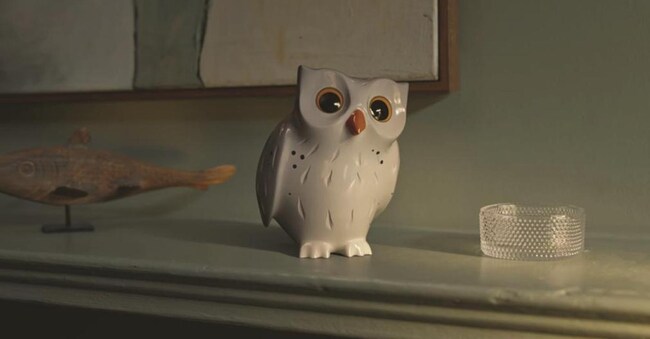
Banning do-it-yourself. In the time marking a new spring for crafts relying on the experts makes all the difference. This is told in the UK by a campaign by a medium-sized company that has become big over time. Hillarys, a Norwich-based manufacturer of made-to-measure curtains founded in 1971 by Tony Hillary in a garage in Nottingham, is now a market leader with almost three thousand employees, acquired by Dutch company Hunter Douglas for £300 million. It preferred customised solutions for blinds, venetian blinds and motorised window systems to a standardised vision. The campaign revolves around an owl guiding viewers - especially potential customers in their late twenties and thirties in the throes of their first home - on the benefits of personalised advice.
Crafts for Z
.So much for visions of the past for mature audiences only. Craft storytelling has never been so smart. So even the new generations are surprisingly opting for tradition that is brought up-to-date. A contemporary approach for products that become icons and for brands - even large ones - that exude modernity while anchoring themselves in history. Photographing the phenomenon is the Craft Council, a trade association involving almost a thousand British companies, which points out that 73% of consumers have bought handmade products in recent years, contributing to an annual turnover of over £3 billion. Despite the importance of digital platforms for sales and promotion, a strong preference for live sales of local handicrafts persists. Thus, craftsmanship is interpreted not only from a sociological perspective, but also from an economic and transformative one.
E-commerce has transformed the market, with over 10 million Britons now routinely buying handicraft products online, but only 16% live in digital-only environments, compared to 66% of shoppers opting for hybrid sales from physical channels. However, growth is being driven by younger consumers: in the UK, almost a third of craft buyers are under 35. Retro aesthetics combined with modern functionality helps to attract a wide audience, the report says. It isheritage marketing that becomes an expression of uniqueness, authenticity, excellence.
"So many young people turn to craft work because it identifies a generation that still believes in the possibility of holding work, technology and civil society together. On the other hand, the generation Z suffers from anxiety about a society that changes too quickly, and so they propose an idea of work and consumption that is more respectful of time, capable of valuing different forms of intelligence, capable of promoting social and community relations. As well as looking for a quality product, they are attracted by a story of making, by discovering what lies behind a pair of shoes or a piece of restored furniture. This exclusive and high-spending clientele concerns the niches of young audiences in the Asian, American and emerging markets, less so Europe,' says Stefano Micelli, professor of e-business and international management at the Venice School of Management of Ca' Foscari University in Venice and president of Upskill 4.0.
New Craft Narratives
.The game keeps in large and small realities: multinationals with huge capital for marketing campaigns and small family-run businesses. Thus the big spenders recall the styles and languages of the artisan for a symbolic narrative treatment that makes tradition contemporary. A sort of juxtaposition between the industrial and artisan models. "The big brands rely on the idea of tailoring, of personalisation, of uniqueness. A worldwide phenomenon that abroad identifies a way of working. On the other hand, for decades luxury has been trying to offer the most exclusive clientele tailor-made services based on specific skills. In short, it explicitly rides on the link with the artisan world,' says Micelli.

