Travel

Holidays: from ‘ghost’ homes to rock-bottom-priced tickets – a surge in AI-related scams

Codacons survey: industry estimates suggest that, since 2022, attempts at scams based on artificial intelligence systems have risen by +3,000 per cent, with an exponential increase in the number of people who have fallen victim to them

by Rome Editorial Staff

3' min read

Translated by AI
Versione italiana

3' min read

Translated by AI
Versione italiana

There has been a surge in travel scams carried out using artificial intelligence, a phenomenon that has literally exploded in recent times, coinciding with the start of the summer season and the increase in Italians travelling abroad. This has been highlighted by Codacons, which is warning the public against adverts that could lead to significant financial losses.

Surge in AI scams: up 3,000% since 2022

Industry estimates suggest that, since 2022, attempts at scams based on artificial intelligence systems have risen by +3,000 per cent, with an exponential increase in the number of citizens falling victim to them – explains Codacons –. Globally, travel-related scams alone are worth 22 billion euros a year, and in Italia more than 4 million people are targeted by attempts to defraud them in connection with the holiday sector.

Loading...

Scams which, precisely because they are based on AI, are becoming increasingly accurate, sophisticated and difficult to detect.

Haunted houses

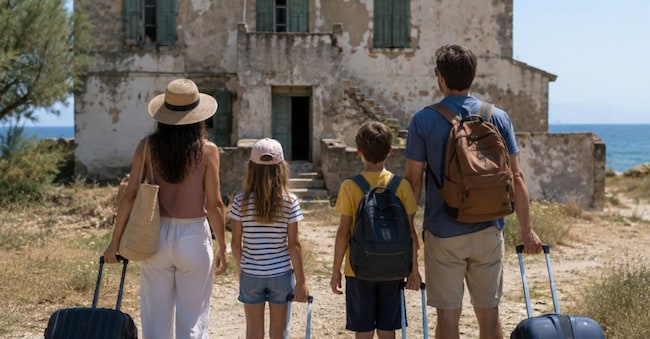
Among the most common scams are ‘ghost holiday homes’: adverts that appear on fake specialist websites offering accommodation at extremely competitive prices, and which use artificial intelligence to create highly detailed and realistic images of exteriors and interiors. These adverts are also promoted via deepfake videos featuring fictitious hosts presenting the property, making it almost impossible for the average user to spot the scam. Once payment has been made – which is generally requested via bank transfer – the victim who arrives at the accommodation either finds that the holiday home does not exist, or finds it occupied by other guests who have made their booking through legitimate channels.

Cloned websites

Another common scam in the travel sector involves the cloning of well-known booking platforms, with cybercriminals using AI to create fake websites featuring logos, graphics and company names familiar to the public in order to gain users’ trust and steal their money.

Flight tickets and car hire

Similarly, through the use of AI, increasingly credible messages are being circulated – particularly via social media – offering the public airline tickets to exotic destinations at rock-bottom prices or car hire at extremely low rates. In such cases, to encourage users to buy tickets immediately or book a hire car straight away, tactics are used to make them believe that the offer is time-limited and may expire in just a few minutes, or that only a few tickets remain at that discounted price. By doing so, they capitalise on a sense of urgency to prevent people from carefully evaluating the offer.

Fake WU check

An even more sophisticated scam is carried out via WhatsApp, exploiting genuine bookings made by users through official platforms. In this case, the criminals manage to gain access to information about the hotels and accommodation booked and, via a message sent on WhatsApp in which they pose as the resort’s management, the hotel or the chosen accommodation, they ask the guest to verify their credit card number to confirm the booking via a fake link created using AI. Anyone who falls for the scam will inevitably have money stolen from their account.

Fake reviews

To make the adverts seem more credible and gain consumers’ trust, fraudsters use AI to create fake reviews from customers who have supposedly stayed at a property that does not actually exist, making it increasingly difficult for the average user to spot the scam.

Non-existent travel guides

Tourist guides written entirely by AI, attributed to non-existent authors, have appeared on e-commerce sites. They often contain information that is not only incorrect but completely fabricated, as well as details about places that do not actually exist.

How to protect yourself

The first rule is to be wary of adverts offering holiday homes, flight tickets, car hire, package holidays, etc. at prices that are too good to be true. For flats, villas, etc., you can use Google Maps or similar services to check that the properties actually exist at the address given, and that they match the images published. Never pay via bank transfers, prepaid cards or transfers to overseas accounts, and ignore any messages received on WhatsApp or social media asking for bank details to confirm bookings or offering exclusive discounts. Always check a host’s profile and reviews, and only use official websites for your bookings.

Copyright reserved ©

Brand connect

Loading...

Newsletter

Notizie e approfondimenti sugli avvenimenti politici, economici e finanziari.

Iscriviti