At the home of great photographers: into the private world of Julia Hetta
His images are an antidote to scrolling. He draws on an ancient pictorial repertoire, from Hammershøi to Vermeer, and sculpts portraits and still lifes with light. An invitation to stop.
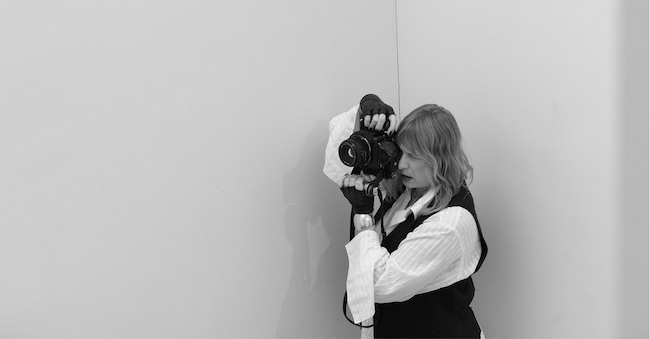
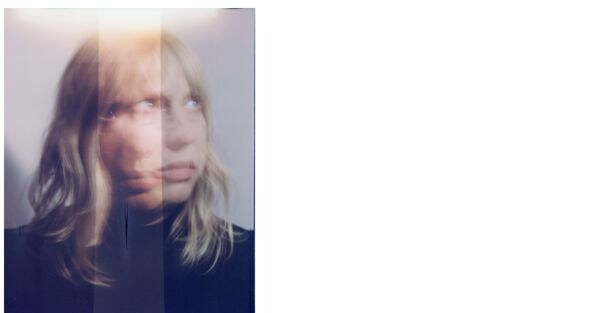
Swedish photographer Julia Hetta is an anchor in the visual tumult of our time, between endless scrolls and images consumed at the speed of light. She does not let the gaze escape, but invites it to stop. Her images are composed with the patience of a Flemish painter, illuminated by a light that seems to filter through a Nordic window and inhabited by an almost meditative stillness. Unsurprisingly, during our meeting, he quotes Hammershøi, Vermeer and even Tarkovsky: 'I like that the brain tries to decode an image, but without finding an unambiguous answer. It reminds you of a bit of this, a bit of that... That's what a real photograph is: it has to be layered'.
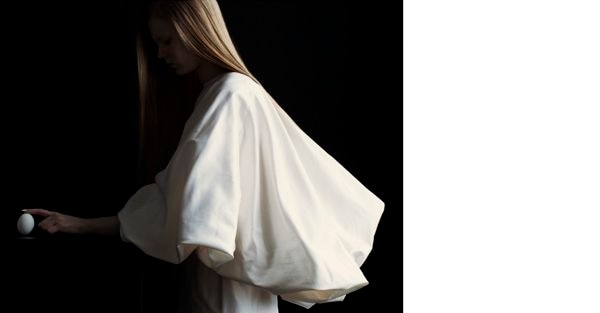
Contrary to what one might imagine, Hetta does not work with long exposures. Her slowness is more conceptual than technical. It stems from the time taken to pose, to choose a fabric, to direct a hand; all gestures that draw on the repertoire of ancient painting. "I have always had my library of images in my head. I have been looking at the masters of art and photography for years; they are my invisible friends. And it is this pictorial root that shapes my language, as much in portraits as in still lifes, where every object, be it a glove, a fan or a velvet, immediately becomes sculpture'.
This inclination is not only aesthetic, but deeply philosophical. "I never think of photography or painting as separate categories. For me it is always the way of looking that counts. Light comes first; it is it that shapes the atmosphere, that creates intimacy, that allows an image to stand the test of time. It is like sculpting with light, not simply recording it'. This vision, nurtured by an artistic training and an almost tactile sensibility, drives her to seek not instantaneity, but duration. "I want people to be able to look at an image for a long time, as one would look at a painting. That they find something new in it each time. That is where meditation is born".
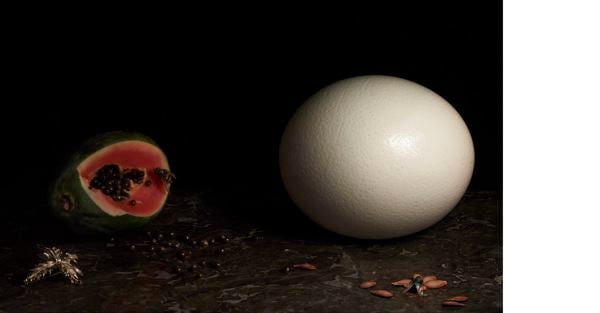
There is, throughout his work, an almost sacred idea of emptiness: not as absence, but as a space charged with potential. "Silence is not emptiness. It is what allows objects, faces, shadows to speak clearly. It is there that I learn to listen. And when I return to the studio, I take that silence with me. I literally put it inside the frame'. This attitude explains why even his still lives, whether a glass of water, a dry branch or a folded sheet of paper, seem to breathe: they are not compositions, but presences.
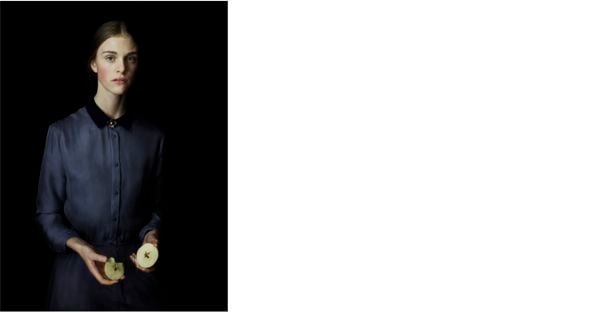
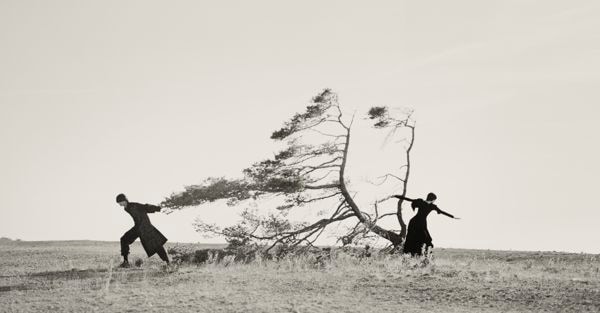
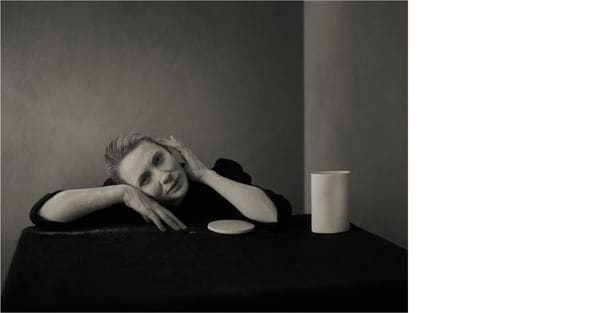
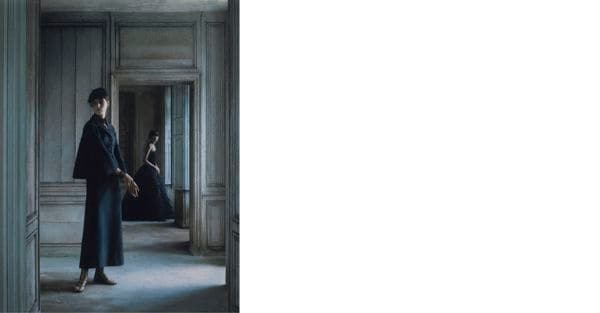
Her stylistic signature is recognisable from the very beginning. Hetta fondly remembers the series for Acne Paper: a blue dress, an apple, a clear light. "It was one of the first works where I felt I had my own voice. But then there was also the photographic series Dazzling Black, made for Dior Magazine in an abandoned house outside Paris: a blue-green palette, suspended interiors, Hammershøian atmospheres. I wanted to create a world in which time was frozen'. And the portraits of Cate Blanchett, in black and white, to whom she is particularly attached, where the actress's theatrical posture blends with her attention to gestures. "With her it was special: she knew how to use the body like a sculpture. It was there that I realised how much the complicity between the photographer and his subject matters".