
Home wanted: Europe without places for asylum seekers as winter sets in
Pressure on the European housing system for asylum seekers is a widespread problem in EU countries
by Silvia Martelli (Il Sole 24 Ore), Adrian Burtin (Voxeurop, Belgium), Noel Baker (The Journal Investigates, Ireland) and Dimitris Angelidis (Greece, EfSyn)
 Aggiungi Il Sole 24 Ore
ai preferiti su Google
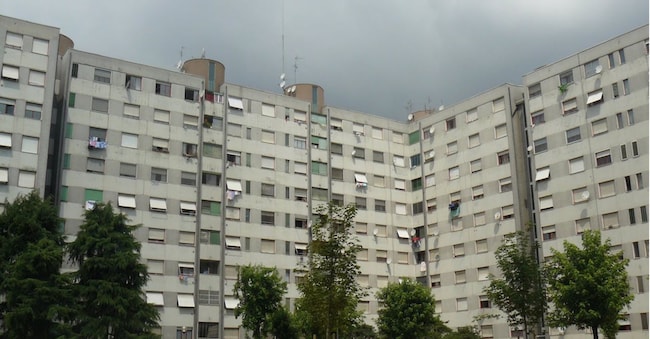
Every year, with the arrival of winter, the issue of the reception of asylum seekers returns to the centre of European political debate. But in 2025, the pressure on the housing system is no longer just seasonal: it has become structural. From the urban belt of Brussels to the isolated camps of mainland Greece via Italy, the European Union is confronted with a chronic shortage of housing for those seeking international protection. A crisis aggravated by government cuts, administrative delays and, in some cases, a clear strategy of deterrence.
Greece: fields, isolation and cuts
In Greece, state reception of asylum seekers takes place almost exclusively in camps, often located in isolated areas without adequate connections. As of October 2025, some 22,400 people were living in facilities with a theoretical higher capacity, but in practice access to available places is often denied. Reports by independent organisations describe conditions that do not meet minimum standards: shortages of winter clothing, essential goods distributed in insufficient quantities, intermittent services and lack of integration measures.
Almost 9,000 vulnerable people were identified in the first nine months of 2025, but without dedicated facilities. The 'Stirixis' programme, announced in 2022 to provide urban housing for extremely vulnerable people, has never been launched. Even for recognised refugees, the situation remains critical: the Helios+ programme, which provides rent subsidies and integration pathways, is undersized compared to the needs and is proceeding with severe delays. In autumn 2025, the government announced the abolition of rent subsidies, fuelling controversy and political tensions.
Italy: widespread reception, but under pressure
The Italian reception system is divided between first reception centres, extraordinary reception centres and the Reception and Integration System (SAI), managed by local authorities. In 2025, more than 870 SAI projects were active, coordinated by about 2,000 municipalities, involving more than 55,000 people included in housing and social integration paths.
The Italian model focuses on the territorial spread of accommodation, avoiding large concentrations, and on the connection with local services. However, the system remains exposed to the pressure of flows and to the scarcity of housing available in the territories, in a context of growing tension on the housing market. Access to public housing is also formally guaranteed to holders of international protection, but competition with other vulnerable groups severely limits the possibilities of stable housing integration.


