Honda Forza 750 MY2026: how does this maxi-scooter that rides like a motorbike perform?
It looks and offers the protection of a scooter, but rides like a motorbike: the Forza 750 has come into its own and is becoming increasingly popular with touring enthusiasts

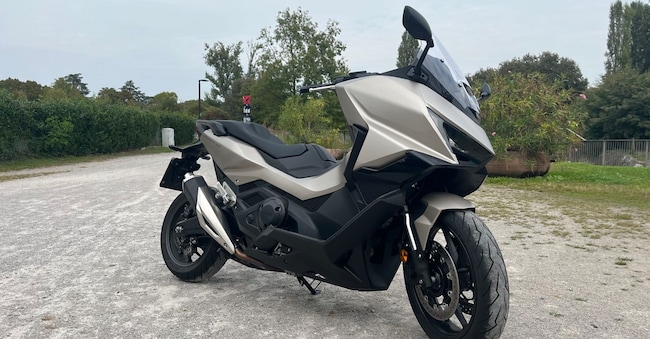
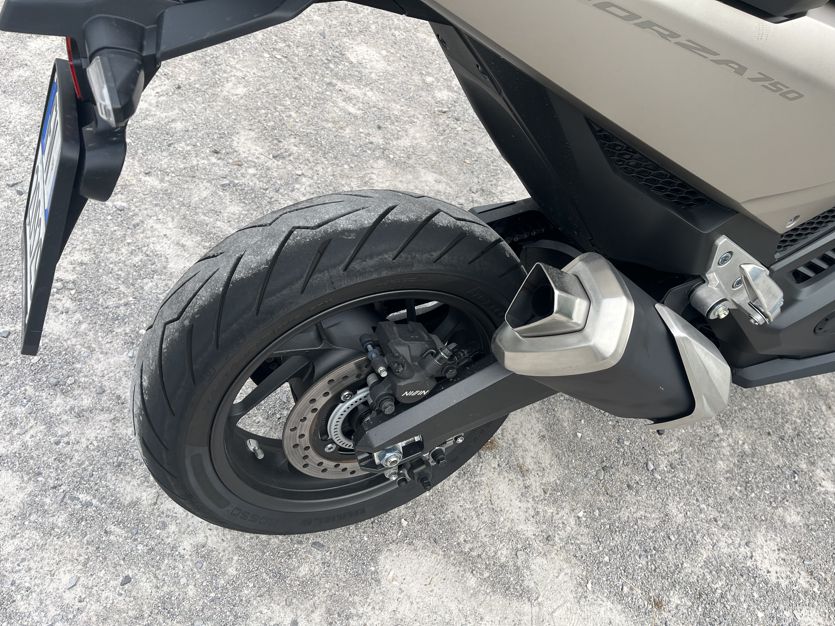
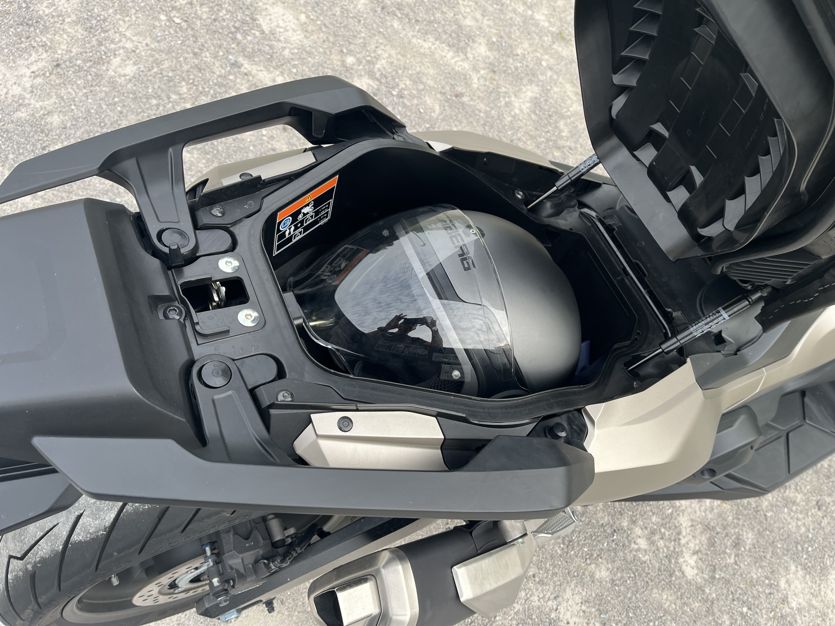
There are scooters that focus entirely on practicality and others that seek to bridge the gap with the world of motorbikes. The debate between T-Max riders and motorcyclists is a long-standing one: is the Yamaha a motorbike or not? It’s been a topic of discussion for years. The Honda Forza 750 MY2026 (€12,290) may not fall into the motorbike category, but it is certainly the bridge between the two worlds. Beneath its elegant GT bodywork, it conceals mechanics that are every bit as good as those of a motorbike: a 745 cc parallel-twin engine, DCT dual-clutch transmission, a 17-inch front wheel, upside-down forks and twin front discs with four-piston radial calipers. The result is a scooter capable of tackling daily traffic, yet also capable of transforming into a fast and surprisingly effective travelling companion, even on winding roads.
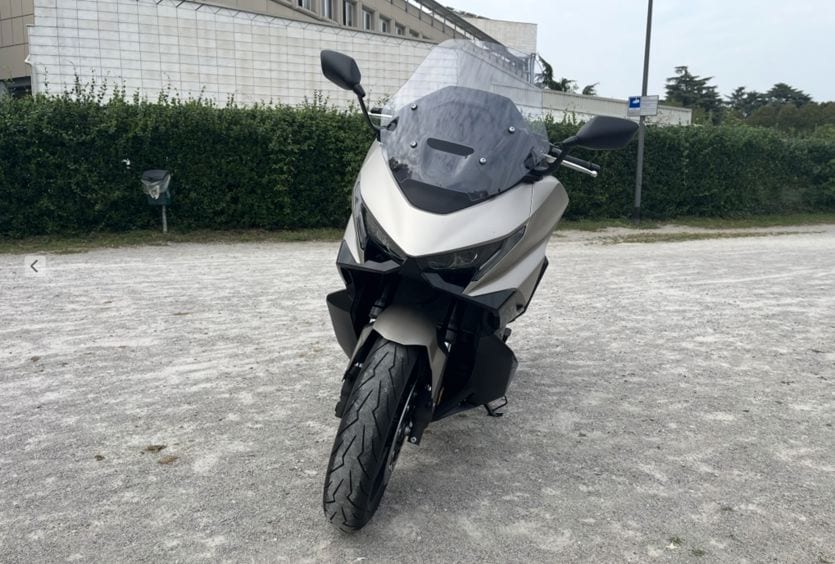
A winning team…
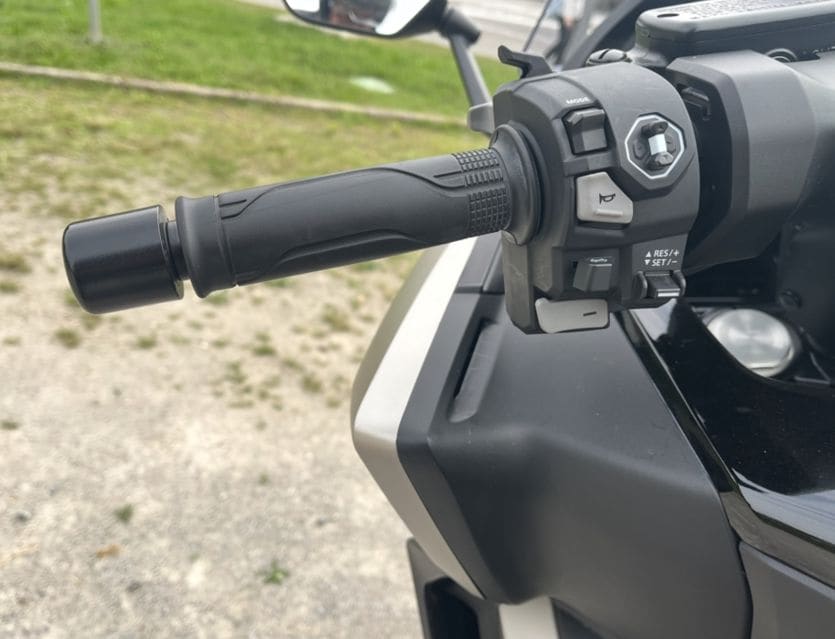
For 2026, Honda isn’t overhauling the formula, but is building on a design that’s already particularly successful. The bodywork retains the sleek, modern lines introduced with the previous update, whilst the front end is characterised by twin LED headlamp clusters with integrated DRLs and indicators; aerodynamic protection is also provided by the electrically adjustable windscreen, which has a 120 mm range of adjustment. Incidentally: to avoid cluttering the left-hand control panel with buttons, Honda has incorporated the windscreen control into the menu of the 5-inch display.
At the heart of the Forza 750 lies a 745 cc, liquid-cooled, eight-valve parallel-twin engine. Maximum power reaches 58.6 cv, whilst torque of 69 Nm at 4,750 rpm ensures a vigorous response even at low to medium revs. The twin-cylinder engine is particularly impressive for its flexibility: in town, it doesn’t require constant throttle input, and when the road opens up, it allows you to accelerate decisively up to motorway speeds. Honda states a top speed of 168 km/h and fuel consumption of around 28.3 km/l in the WMTC cycle. With a 13.2-litre fuel tank, the theoretical range is therefore approximately 375 kilometres.
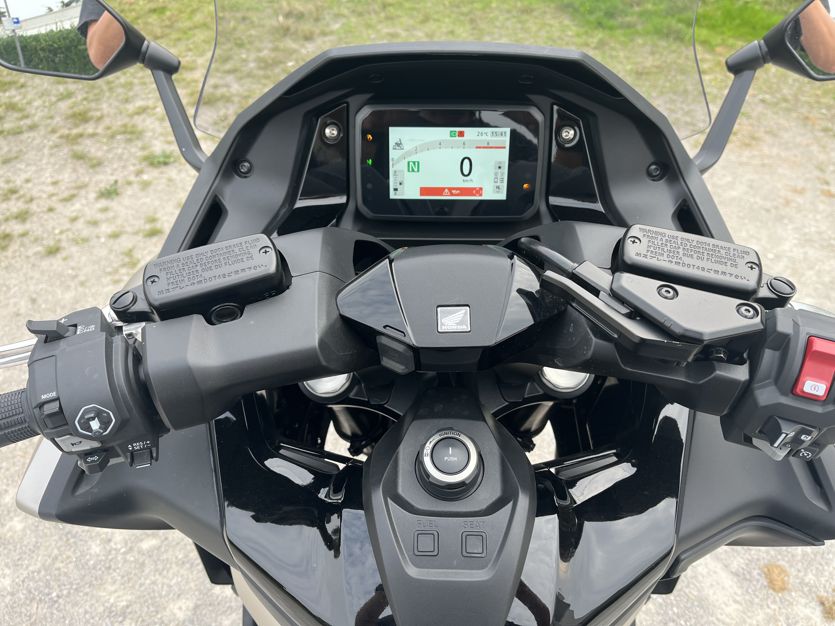
Dct: the added value
What makes the Forza 750 even more like a motorbike – and sets it apart from most maxi-scooters – is its six-speed DCT dual-clutch transmission. It is not simply a continuously variable transmission: the system uses two coaxial clutches, one dedicated to odd gears and the other to even gears. Gear changes are rapid and virtually seamless in terms of power delivery. For the Forza, Honda has also refined the handling of starts and manoeuvres at very low speeds. The DCT utilises an advanced system for managing the hydraulic pressure of the clutches, derived from developments introduced on the Africa Twin, with the aim of making the bike’s behaviour more natural when pulling away, reversing and manoeuvring at speeds below 10 km/h. And it is precisely in town that this technology demonstrates one of its most obvious advantages: no clutch to operate and no gear to select. Outside town, however, the DCT becomes a tool for having fun, especially when selecting manual mode and using the handlebar controls to make the most of engine braking as you see fit.
The Throttle By Wire system allows you to choose between Standard, Sport, Rain and two customisable User modes. It is not just the throttle response that changes: engine braking and traction control settings are also adjusted.