
Honda, stop production of fuel-cell systems with GM in Michigan
Coming soon, a proprietary system with hydrogen at its heart

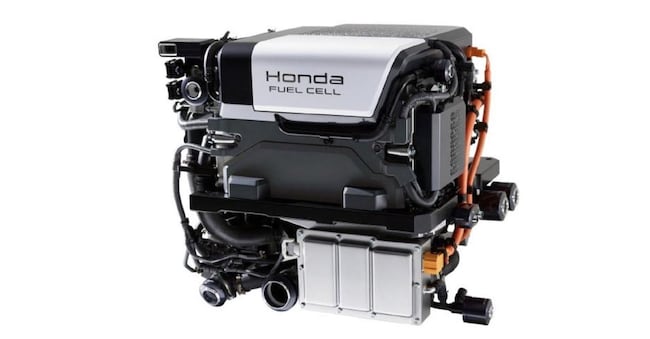
Honda Motor has announced a decisive breakthrough in its hydrogen strategy. The Japanese automaker will discontinue production of its current fuel cell system at its FCSM (Fuel Cell System Manufacturing) plant in Michigan by the end of 2026. The decision marks the operational end of the 50-50 joint venture with General Motors that began in 2017, the first of its kind in the automotive industry. The Brownstown site was the centrepiece of the collaboration between the two companies, allowing production costs to be halved and cell life to be doubled compared to the previous generation (that of the Honda Clarity). However, after a strategic review, Honda has decided to focus exclusively on a new generation system developed in-house, which promises even higher performance and greater integration in future global models.
Despite the termination of its production partnership with GM, Honda is not abandoning hydrogen. On the contrary, the company confirms it as an energy pillar alongside electricity to achieve carbon neutrality by 2050. The new 'in-house' technology will be used not only for passenger cars, such as the CR-V and:FCEV, but also for heavy trucks and stationary generation systems. This industrial transformation will be accompanied by a radical renewal of the brand image. In fact, Honda has confirmed the debut of a new 'H mark' logo, with a minimalist design reminiscent of two outstretched hands. The new emblem will debut in 2027 on the first models of the new electric range and the main hybrid offerings, gradually extending to dealerships and motorsport activities.

