Honor at MWC 2026 turns the tables on the smartphone-robot
The smartphone that integrates motor skills and spatial perception through an ultra-compact gimbal system is the star of the Chinese manufacturer's presentation, which also announces the new super foldable Magic V6

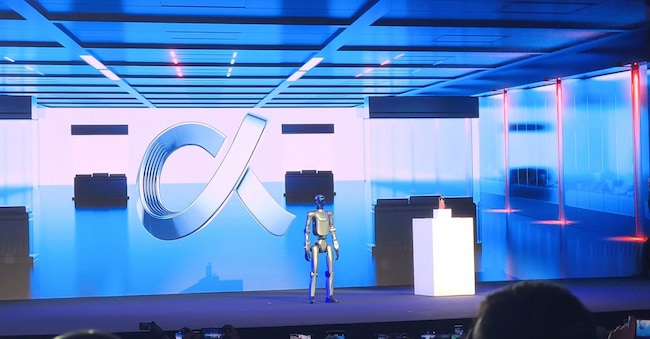
BARCELONA- At the Mobile World Congress, Honor is trying to shift the axis of the narrative to 'embodied' artificial intelligence, i.e. capable of stepping out of the screen and physically interacting with the environment and the user, with a clear message: the next frontier is not just more computing power, but greater integration between digital intelligence and the real world. This was reiterated by CEO James Li, speaking of the need to 'combine capability and empathy, combining IQ and EQ', in what the company calls 'Augmented Human Intelligence': an approach that puts the user at the centre and aims to combine computational capability and empathy of use.
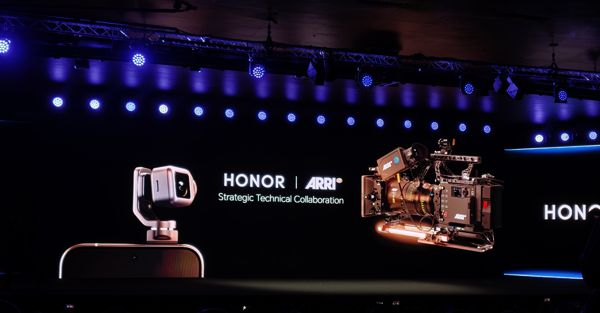
A push that does not stop at smartphones and traditional devices, but also extends to robotics with the company's first humanoid, which surprised the audience at the presentation event with a dance and a backflip: a dramatic way to demonstrate advanced agility and motor control. The robot is designed for three main scenarios: shopping assistance, workplace inspections and domestic companionship. A sign of the Chinese group's growing interest in consumer robotics, in a logic of ever closer integration between digital intelligence and physical presence.
The robot phone: the robot that follows the user with "embodied intelligence"
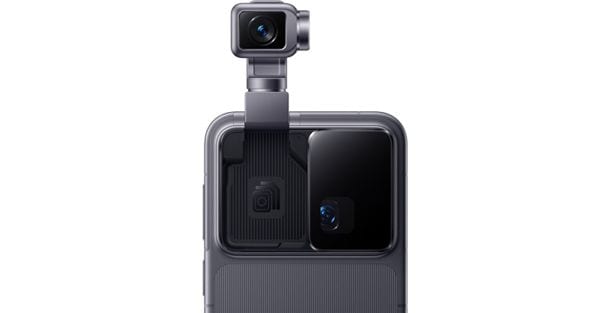
The star of the show is the Robot Phone, a device that introduces physical movement, thanks to a smart camera capable of emerging from the body of the phone. An advanced smartphone concept integrating miniaturised motors and a three-axis gimbal system that can move and orient the camera autonomously.
It is not just about advanced stabilisation. The device integrates intelligent subject tracking, automated rotational movements and shooting functions designed to bring the language of mobile video closer to that of film. The aim is to overcome the static smartphone paradigm by introducing elements of movement and a kind of 'body language' into interactions, including 360-degree framing video calls that follow the user through space.
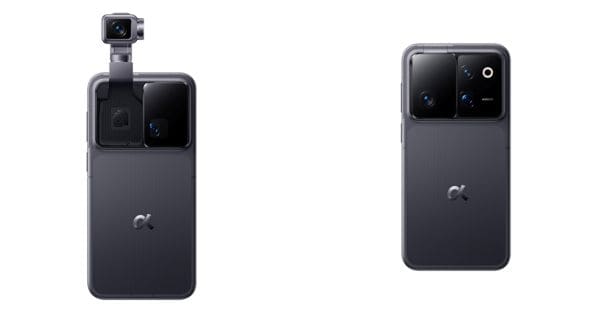
On an engineering level, the project required significant work. Honor applied high-performance materials and know-how gained in the development of foldable devices, and succeeded in designing an extremely compact and durable micromotor. Reducing the size of the motor made it possible to integrate an ultra-compact 4-degrees-of-freedom (4DoF) gimbal system into the phone, laying the hardware foundation for near-robotic-level motion control.