
A glimmer of hope for Hormuz: Iran is negotiating, and there is a draft agreement
Washington: the agreement to reopen the Strait is expected within days. Tehran is open to the possibility of European countries clearing the waters of mines
from our correspondent in New York Luca Veronese
 Aggiungi Il Sole 24 Ore
ai preferiti su Google
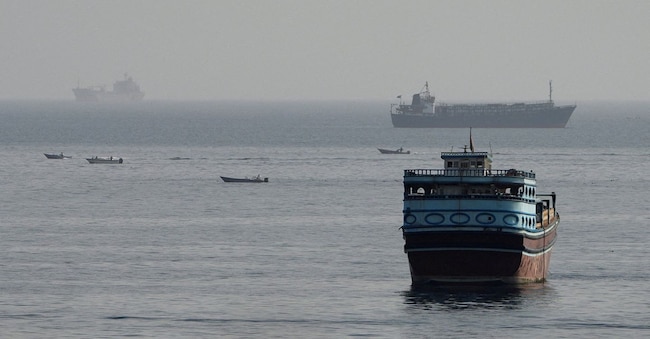
There are no direct talks between the United States and Iran, but the channels of communication remain open and, with the mediation of Qatar, Pakistan and Oman, progress is being made – to the extent that an agreement, at least on the reopening of shipping lanes in the Strait of Hormuz, could be imminent. This was stated optimistically from Washington by Scott Bessent and Marco Rubio. It was confirmed by the spokesperson for the Qatari Ministry of Foreign Affairs, Majed al-Ansari: ‘Washington and Tehran are, in any case, engaging with one another; diplomatic contacts are at a very advanced stage; draft texts are being exchanged, efforts are continuing with all parties to reach a short-term solution that would help us restart talks; an agreement of this kind,” said al-Ansari, “could be reached in the coming hours or days.”
Over the weekend, Trump had first announced and then called off ‘a massive attack on Iran’. On Monday, he had signalled the resumption of talks with Iran and granted the regime in Tehran ‘one last chance before decapitation’. But the ayatollahs had responded immediately to the US president’s umpteenth threat by denying any contact or negotiations, except for those concerning the Strait of Hormuz with Oman.
And yet, confirming the progress made towards a broad agreement, rumours emerged from Tehran yesterday regarding the possible involvement of European countries in clearing mines from the Strait: a clear attempt to normalise shipping through the Strait of Hormuz and facilitate peace negotiations with the United States. In public, Iranian leaders have repeatedly stated that foreign forces will not be allowed to take part in mine-clearance operations but – according to sources within the regime interviewed by Bloomberg – in a number of confidential meetings over recent weeks, the ayatollahs and even the Pasdaran are said to have adopted a more conciliatory stance.
A senior Pakistani government official told Reuters: “There is a lot of activity behind the scenes; we are talking to both sides. Our sole objective at the moment is to ensure that both sides agree, at the very least, to begin talks.”
Yesterday, the US administration issued statements brimming with optimism, which helped to drive down the price of oil significantly. “We are in talks with the Iranians and I believe there is a chance we can reach an agreement, by Tuesday or Wednesday, to open the Strait and move towards a more normalised situation in this conflict,” said the Treasury Secretary, Scott Bessent, in an interview with CNBC, referring to “a reopening with complete freedom of transit”, i.e. without tolls or checks by Iranian military forces.


