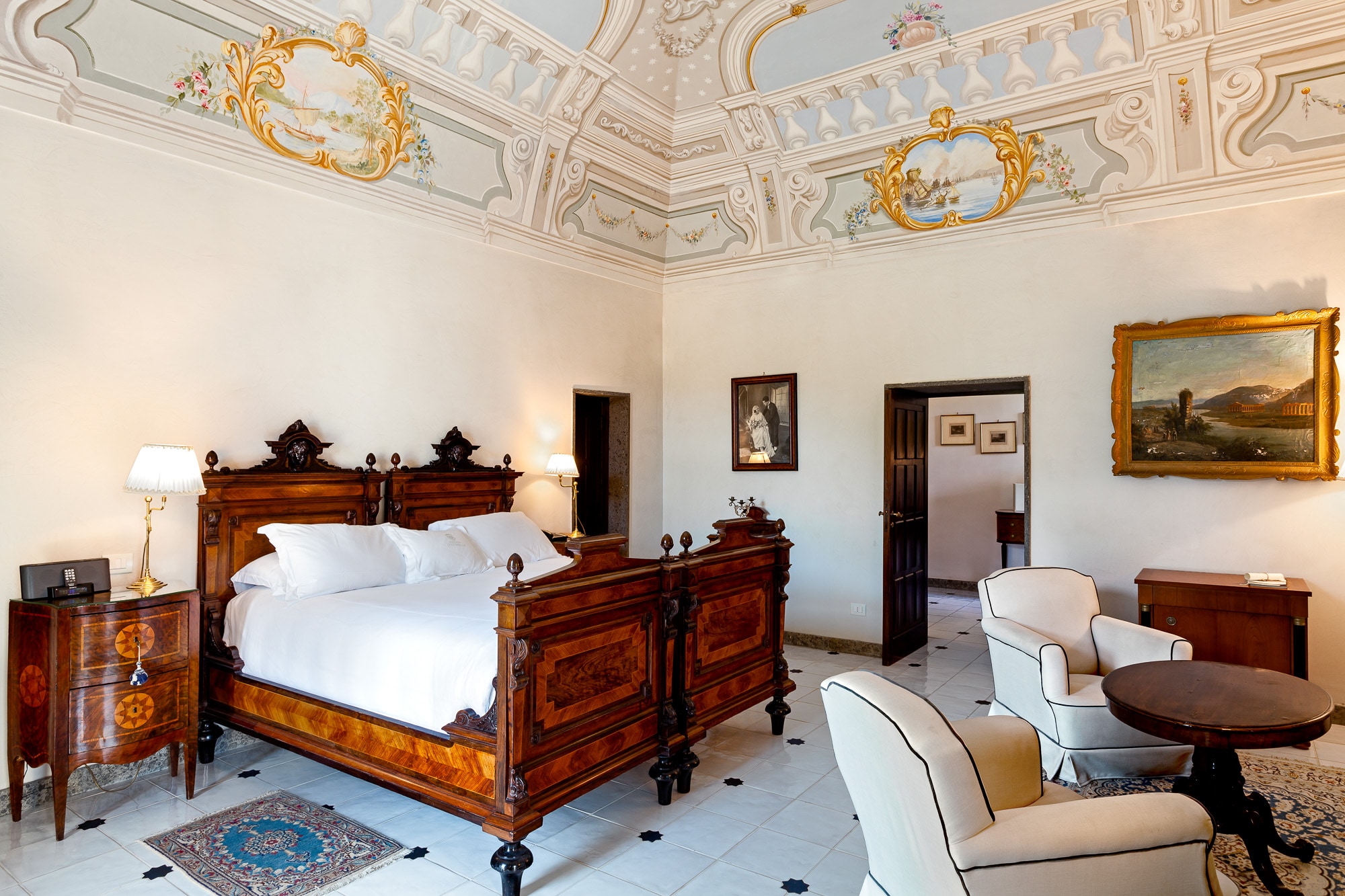
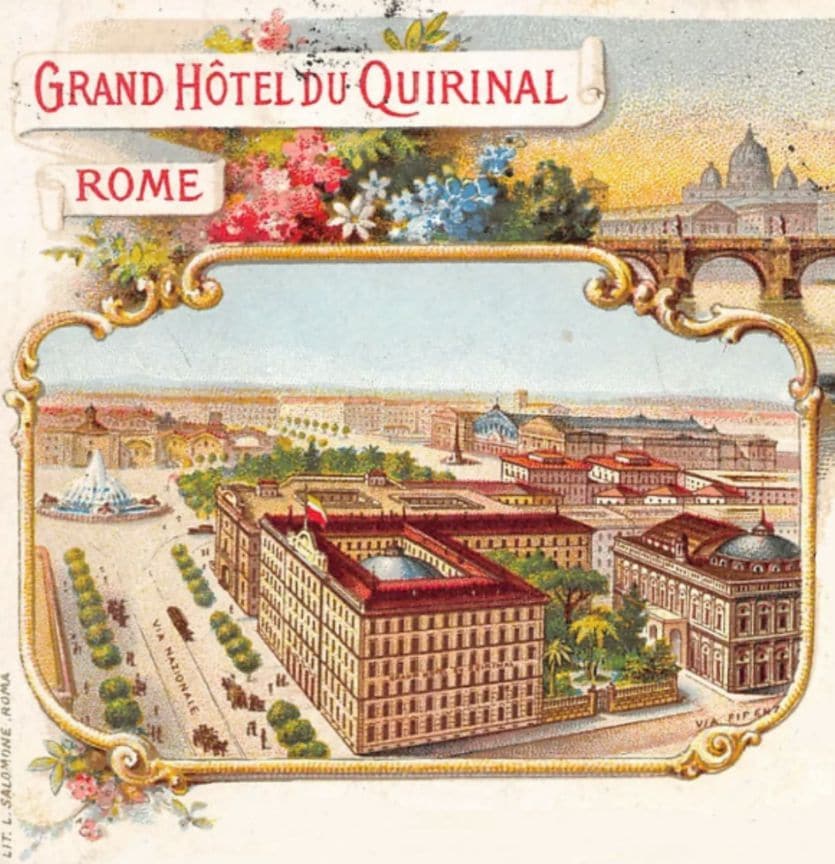
Hotel rooms and coffee rooms, Italy was also born here
On 4 October, on the occasion of the National Day of Historic Premises, guided tours are possible throughout the country to discover where our political and business history was written

Key points
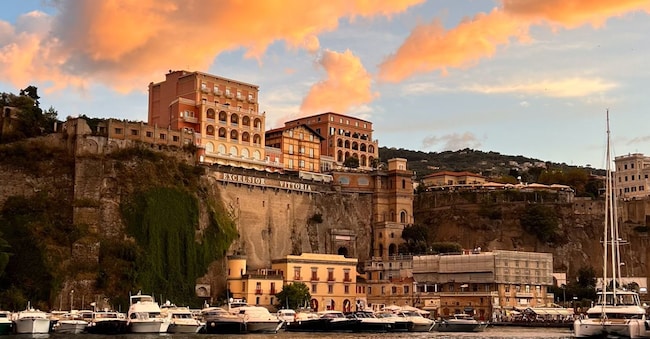
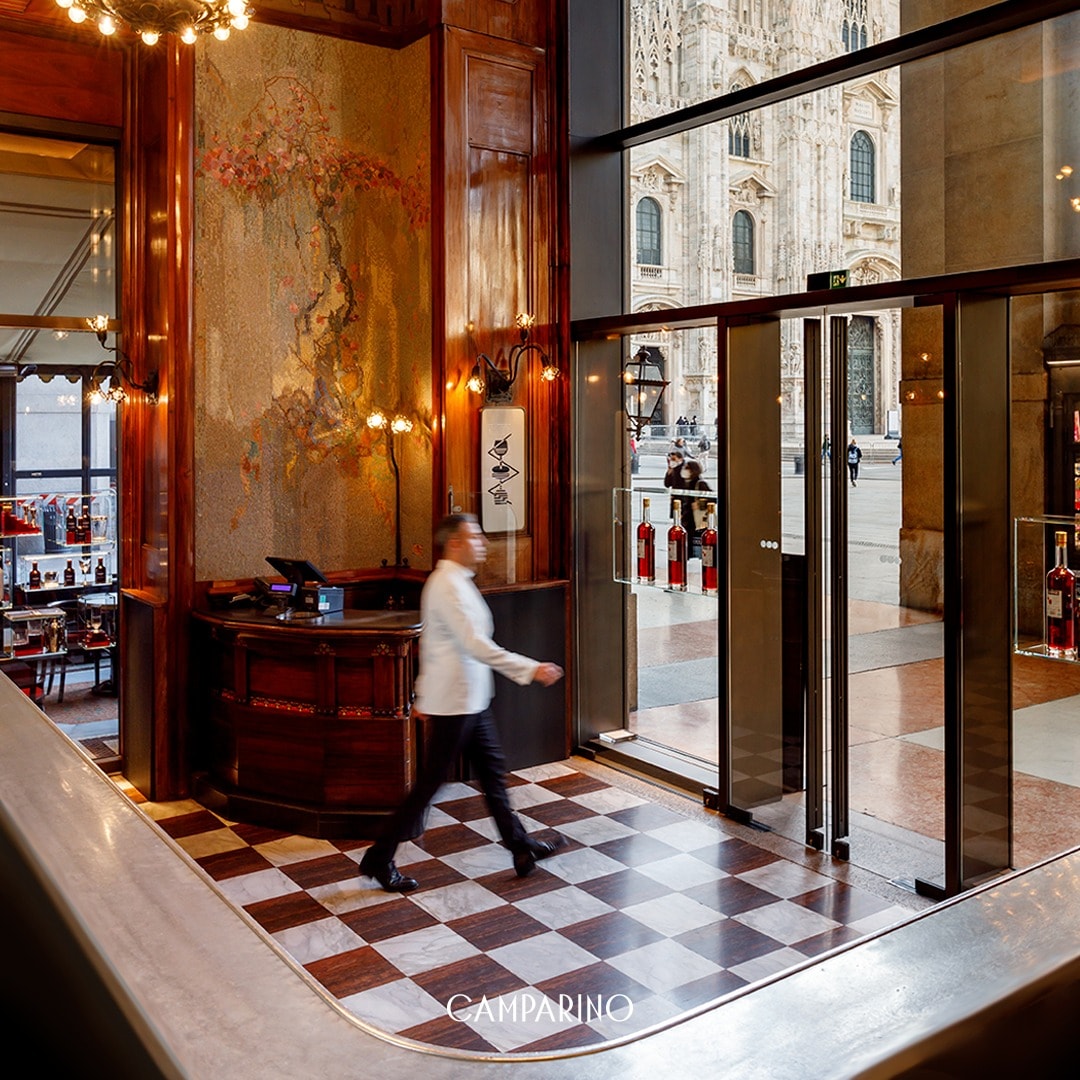
The wood of counters and tables has been ennobled by absorbing passages and presences. The floors have been polished by endless footsteps, moved by curiosity, waiting, appointments. Melancholic noblewomen and writers in search of inspiration have appeared at the windows. In Italy's historic places, much of the country's history has passed, in a way that may be more reserved than the places that symbolise it, but is no less interesting.
National Day of Historic Places
.An opportunity to discover the stories - sometimes famous, mostly hidden - of which they are the guardians is to take part in the National Day dedicated to them, scheduled for 4 October: organised by the Associazione locale storici d'Italia, it offers the chance to visit the 200 affiliates - including hotels, restaurants, pastry-shops and literary cafés - distributed throughout the Peninsula, with special guided tours and numerous tastings, all free of charge. The requirements to become a member of this prestigious club, founded in 1976, are precise: the premises must be at least 70 years old, conserve the original ambience and furnishings, or bear witness to its origins, and possess relics, mementos and historical documentation on illustrious events and frequentations.
From Caffè Pedrocchi in Padua to Gran Caffè Renzelli in Cosenza
.In some, it is no way to say that the history of Italy was written: the Gran Caffè Renzelli in Cosenza, for example, was damaged by Garibaldi's jubilant victors of 1860, and in the Antica Locanda Mincio, in the medieval district of Borghetto, even in the peacefully bucolic setting, echoes of the battles with which Napoleon drove the Austrians across the river in 1796 resound. More mournful is the memory of Silvio Pellico, who spent his last night of freedom, before being arrested by the Austrian police, in the cellar of the Osteria Il Governo 1801 in Lezzeno, on Lake Como. Risorgimento enthusiasts will find original proclamations and notices signed by General Radetzky on the walls of the restaurant Da Berti, a stoic Milanese sign, while the first floor of the magnificent Caffè Pedrocchi in Padua, the city's oldest, houses a museum dedicated to the events that led to the unification of Italy, to be visited before or after tasting the famous Pedrocchi cake made with mint, coffee and chocolate, or Stendhal's Zabaione, a tribute to the writer who loved it so much that he wrote about it in his Certosa di Parma.
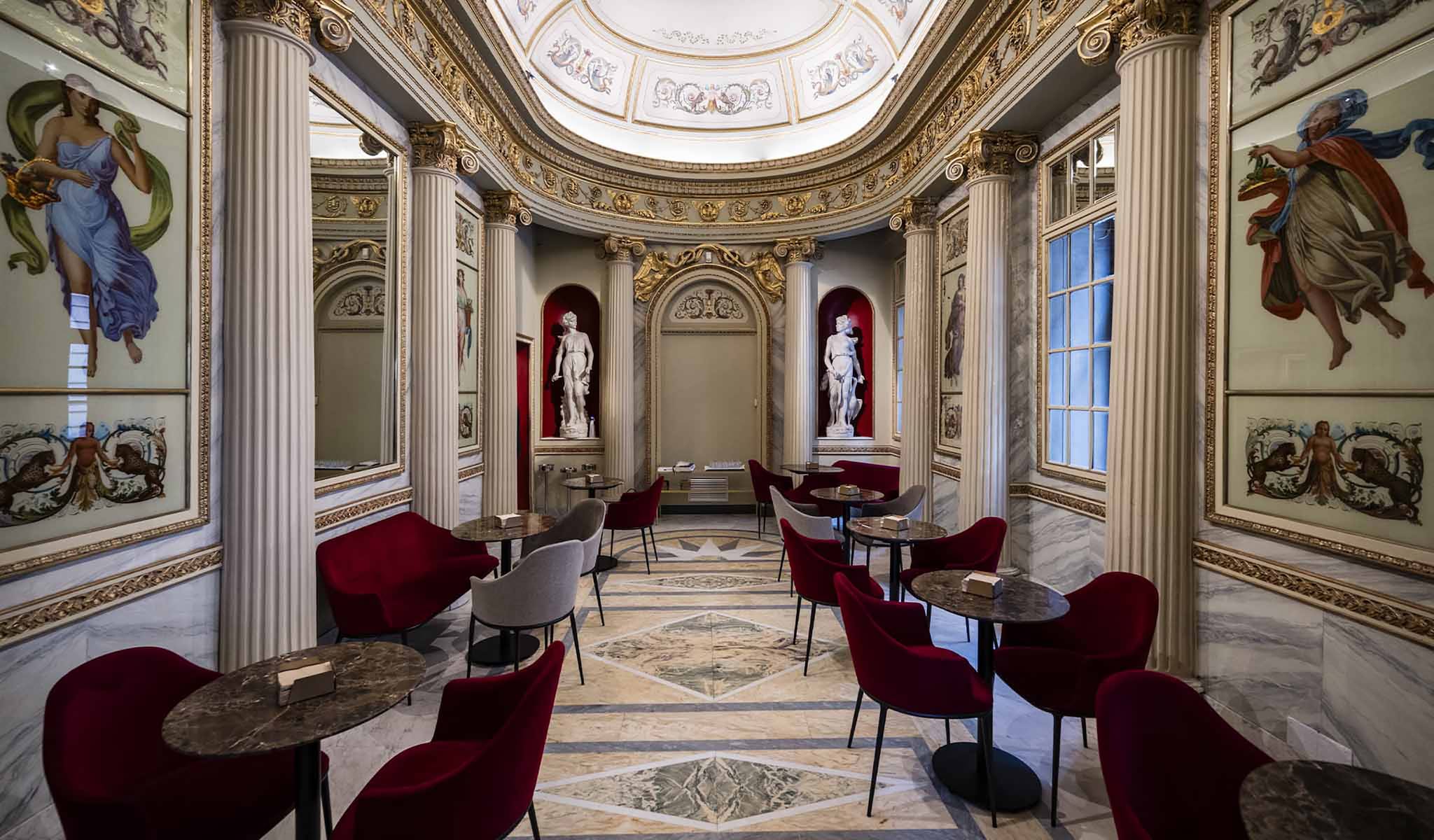
Although fuelled by the glory of the past, historic venues are often faced with the challenges of the contemporary world, trying to fuse the value of their heritage with the ability to meet the demands and expectations of the 21st century. 'Tradition is not the worship of ashes, but the keeping of fire,' Gustav Mahler aptly noted. This fire burns brightly at the Caffè Nazionale in Aosta, which in the Gothic chapel, the last remnant of the 14th-century, vanished Convent of St Francis, has for the past three years housed one of the rooms of Paolo Griffa's restaurant, which was able to win two Michelin stars just two months after its inauguration.
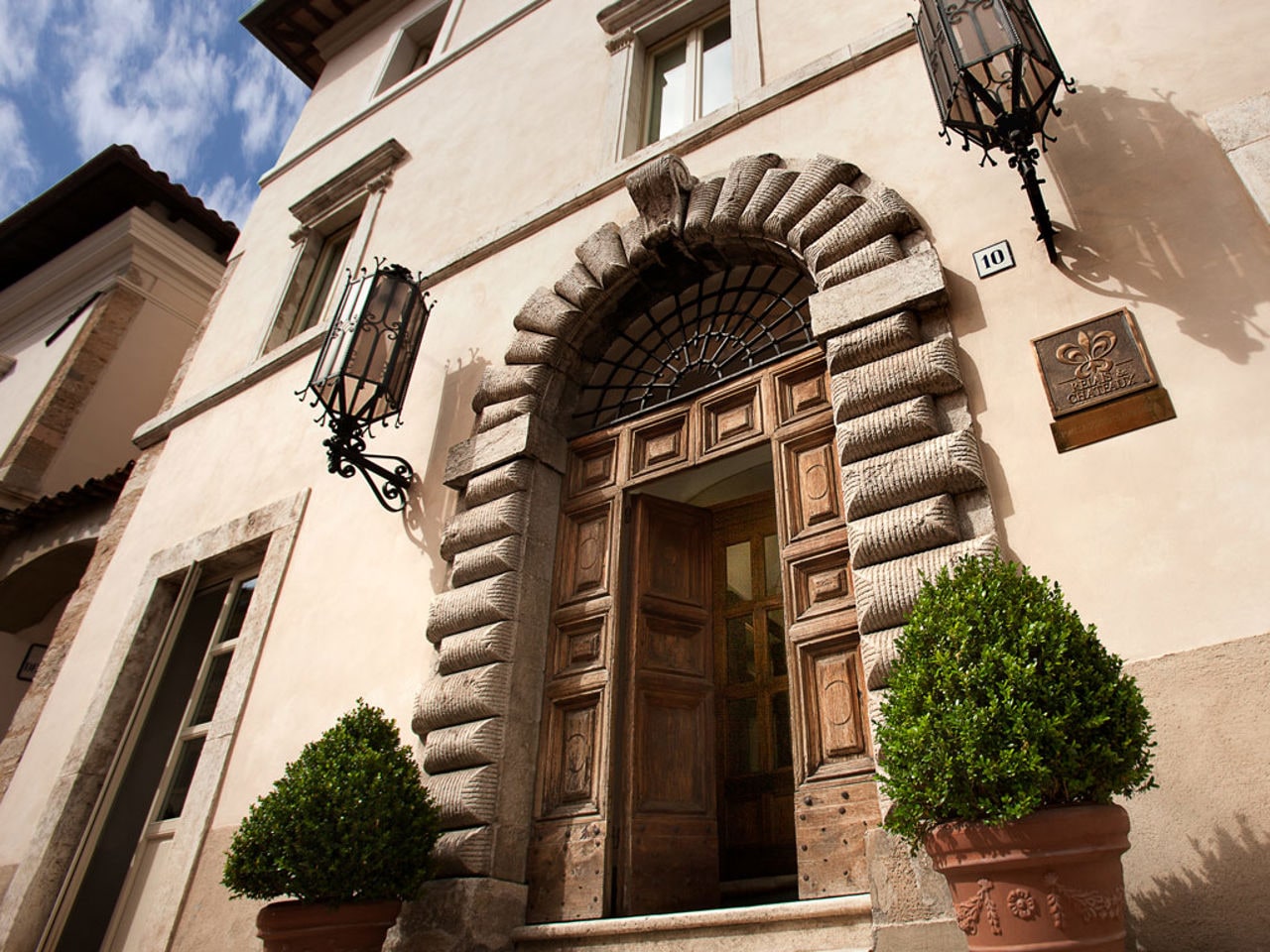
In Umbria, in Norcia, the Bianconi family has opened a wellness centre in its Granaro del Monte restaurant, which at 175 years old is also the oldest in the region. For five generations it has also run Palazzo Seneca, a 16th-century palace and historic hotel, opened as the 'Albergo Posta' on the ancient border between the Papal States and the Kingdom of the Two Sicilies, which also offers Vespasia, one of Umbria's five starred restaurants, led by chef Fabio Cappello. In Turin, Caffè San Carlo, the city's institution, was taken over in 2021 by the Costardi brothers who renewed its identity by investing in the specialty coffee offer and emphasising in its design the dialogue with the Gallerie d'Italia museum that houses it, designed by Michele De Lucchi.