
Housing, growth is there, but slowing down. Rents rise more than prices
Leading operators and study centres expect values and transactions to remain stable (for some) or increase but at a slower pace. Opportunities reduced by supply-demand imbalance

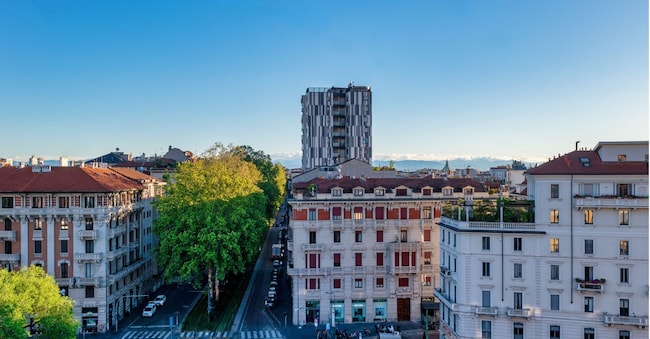
No longer a run, but a walk. Not a leap, but still a progression. The pace slows down but remains determined. If 2025 was a positive year for the Italian residential sector - with the fall in rates and the return to mortgage lending supporting buying and selling and tourism driving rents in particular - 2026 is shaping up to be a year of consolidation.
The numbers will remain positive overall and, in any case, stable. And if the industry analysts - whom we asked to express a forecast by means of a 'traffic light' (red for negative expectations, yellow if stable and green if positive) agree that the supply-demand imbalance will, once again, reward rising values. But less so. Because the economy is more fragile, uncertainty hovers, and even if mortgages are more affordable, the starting capital decreases if prices per square metre continue to rise.
"If in 2025 we will close at 780 thousand purchases and sales," explains Fabiana Megliola, head of Tecnocasa's Studies Office, "2026 will see a slight increase: we expect about 790 thousand, just under 800 thousand. On prices per square metre we estimate a slight increase, between 1 and 3 per cent, while on rents it will be more sustained, 3-5 per cent. Rates have fallen, but the starting capital is less, because prices have risen. In addition, there is little new and the costs of materials and companies discourage renovations."
"At the end of 2026," according to Immobiliare.it, "sales prices nationwide will be 3.1 per cent higher than they are today, but rents will grow faster and will mark an 8.1 per cent increase". Looking at individual cities, the largest percentage increases for sales are expected in Florence (+6.8 per cent), Catania (+6.6 per cent) and Verona (+6.4 per cent). For rents, on the other hand, Bari will lead the ranking (+9.3%), followed by Turin (+8.5%) and Palermo (+6.8 per cent). In Milan - which will retain its status as the most expensive city in the country in both sectors - prices per square metre for purchases will increase by 2 per cent by the end of 2026, while Rome will grow by about half (+1.1 per cent). On the rental front, the city of Milan will register +5 per cent, compared to +4.2 per cent in the capital.
"2026 promises to be a year of continuity with respect to the 2025 trends," explained Paolo Giabardo, general manager of Immobiliare.it. Demand for housing will remain strong and will continue to be reflected in both sales and rentals. On the sales front, we expect more stable and moderate growth, supported by favourable credit conditions. For rentals, on the other hand, rents will grow more than sales prices, reflecting a structural imbalance between supply and demand in major cities,' he says.
Brand connect


Newsletter RealEstate+
La newsletter premium dedicata al mondo del mercato immobiliare con inchieste esclusive, notizie, analisi ed approfondimenti
Abbonati