Residential

The housing market, interest rates and geopolitics are putting a damper on property sales. The second quarter has come to a standstill

Sales figures are in line with the previous year. Interest rates and caution regarding the investment segment are having an impact.

3' min read

Translated by AI
Versione italiana

3' min read

Translated by AI
Versione italiana

A stagnant market, with sales figures in line with the same period last year. This is the picture that emerges from the Italian Revenue Agency’s Observatory report on the second quarter of 2026. During the period in question, over 201,000 property sales were recorded, up just 0.1 per cent on 2025. Regional capitals saw growth (+0.5 per cent), whilst the market in major cities remains more dynamic. Rome and Milan are also driving the rental market, with subsidised tenancy agreements showing strong growth.

This marks the first slowdown since the recovery began in the second half of 2024. In fact, in the first quarter of 2026, almost 180,000 homes were bought and sold, an increase of 4.4 per cent compared with the same period the previous year.

Loading...

The Italian residential property market therefore ended the second quarter of 2026 essentially stable, but behind the national figures, the gap between the major urban centres and the rest of the country is widening.

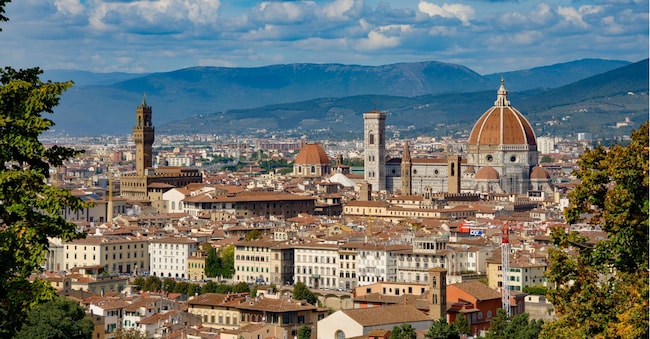
Property sales have risen slightly in all major Italian cities, with the sole exceptions of Florence and Palermo. This trend confirms the role of large urban markets as the main drivers of housing demand, against a national backdrop that remains largely flat.

At a regional level, the best performance was recorded in the South (+0.6 per cent), followed by the North-West (+0.4 per cent). The Centre saw a decline of 0.7 per cent, whilst the North-East (-0.1 per cent) and the Islands (+0.1 per cent) remained virtually unchanged.

Casa, ancora due italiani su tre acquistano sotto i 200 mila euro

The market in major cities

Naples and Genoa saw the biggest rises in property sales, though these were below 5 per cent, whilst, as mentioned, Palermo and Florence recorded declines, the latter falling by more than 8 per cent.

The situation in the major cities is also having a significant impact on the rental market. Rome and Milan continue to see a rise in the number of rented properties, with particularly strong growth in subsidised tenancies. This is a significant indicator, as the rental market is growing at a much faster rate than the property sales market. Nationwide, over 248,000 homes were let in the second quarter, 3.1 per cent more than a year earlier. This increase is driven by the rise in subsidised tenancies, whilst standard long-term tenancies are declining.

The economic value of new contracts is growing even more rapidly: the total agreed annual rent stands at 1.7 billion euros, representing a year-on-year increase of 6.3 per cent. This growth is evident across all the main segments, with the exception of standard long-term contracts, where the value of rents remains broadly stable.

Mortgages: almost one in two property purchases is financed by a bank

On the credit front, 46.6 per cent of purchases made by private individuals during the quarter were financed by a mortgage. This figure is slightly lower than in the first three months of the year, but is up on the second quarter of 2025.

The average rate applied to the first instalment remains at around 3.6 per cent, confirming a period of relative stabilisation in the cost of property finance. However, the ECB is due to decide today how to adjust the rates.

Loading...

Furthermore, the proportion of purchases eligible for the first-time buyer scheme remains virtually unchanged, at just under 73 per cent. By contrast, the proportion of newly built homes purchased during the quarter has risen to 6.4 per cent.

Prices continue to rise

The virtual stagnation in transactions has not led to a slowdown in property values. The latest available price figures, relating to the first quarter of 2026, show a 1 per cent increase quarter-on-quarter and a 5.2 per cent increase year-on-year. The rise is being driven mainly by new-build homes, whose prices are rising by 6.7 per cent year-on-year, whilst existing homes are up by 4.8 per cent.

The picture, therefore, is of a market which, at least for now, shows no real recovery in volumes but continues to exert pressure on prices. And the urban segment remains the most dynamic.

The economy is holding up, but not enough to get trade moving again

The macroeconomic environment is moderately favourable. In the second quarter, Italian GDP grew by 0.2 per cent quarter-on-quarter and by 1 per cent year-on-year. In the May–July quarter, the number of people in employment rose by 91,000 (+0.4%) compared with the previous three months, and in August consumer confidence rose to 96.9. These figures point to a growing economy, but one that still lacks sufficient momentum to bring about a significant acceleration in property sales.

Making buyers even more cautious is the draft currently being considered by the European Commission for yet another crackdown on short-term lettings – a move that could rein in the market (perhaps even excessively), giving mayors the power to effectively block transactions involving properties intended to generate rental income.

Copyright reserved ©
  • Paola DezzaCaporedattrice del Lunedì e responsabile del settore real estate per tutto il gruppo

    Lingue parlate: inglese, francese

    Argomenti: mercato immobiliare, architettura, finanza immobiliare, lifestyle, turismo, hotel e ospitalità

    Premi: “Key player of the italian real estate market” di Scenari Immobiliari

Loading...

Brand connect

Loading...

Newsletter RealEstate+

La newsletter premium dedicata al mondo del mercato immobiliare con inchieste esclusive, notizie, analisi ed approfondimenti

Abbonati