
Housing: property sales remain stable and prices are rising. Milan is slowing down, whilst Rome is above the average for major cities
According to Nomisma’s study of the 13 major cities, property transactions this year are set to rise by 0.3 per cent compared with 2025. Property values rose by 1.8 per cent in the first half of the year

Key points
The Italian residential property market recorded moderate growth in the first half of 2026, a trend that is expected to continue into the second half of the current year. Whilst property sales closed the first quarter of the year with a robust 4.4 per cent increase, the forecasts from the 2nd 2026 Property Market Observatory, produced by Nomisma, point to much more modest growth by the end of the year – 0.3 per cent compared with 2025. The estimates suggest caution: in 2027, a slight decline in house sales in Italia is expected, before a recovery in 2028.
However, the propensity to buy is on the rise in the sector: it jumped from 2.5 per cent to 8.5 per cent between the first half of 2025 and the first half of 2026. First homes remain the backbone of the market, accounting for three-quarters of total transactions, with demand now not confined solely to the most dynamic markets but appearing to be widespread across the whole country. Against this backdrop, prices are also following a moderate trend: in the first half of 2026, prices rose by an average of 1.8% for existing properties and 1.4% for new-builds.
At the same time, the rental sector continues to experience a period of profound structural imbalance. The chronic shortage of supply – against a backdrop of demand from households seeking rental accommodation that has risen by 12 per cent over the last five years (around 296,000 households) – continues to drive rents upwards. In the first half of the year, the average increase was 3.3 per cent year-on-year, with rents in the main urban markets ranging between €660 and €780, but reaching peaks of €1,200 per month in cities such as Milan, Rome and Florence.
Milan and Rome: two different speeds
An analysis of individual cities reveals divergent trends. Milan currently appears to be experiencing a slowdown: in the first half of the year, the deterioration in market sentiment has led to less favourable expectations regarding both transaction volumes and price trends. According to Nomisma’s analysis, this is a phenomenon which, whilst emerging most strongly in the Milanese market, could herald trends that are set to affect other major urban centres as well.
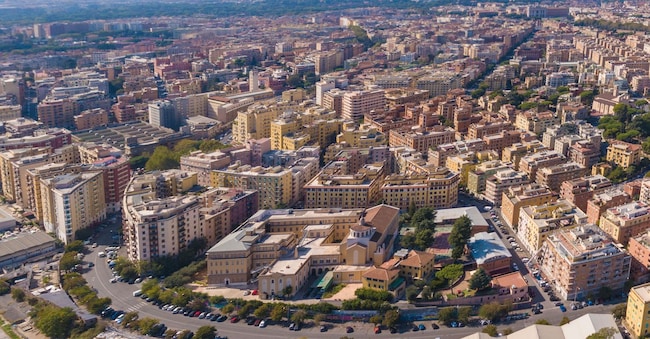
In Milan, prices remained stable in the first six months of the year: up 0.8 per cent year-on-year for new homes and up 0.9 per cent for second-hand homes, whilst rents fell by 0.7 per cent – bucking the national trend. In contrast, Rome showed greater dynamism than the average for the 13 major cities, with prices rising by 1.3 per cent for new homes and 0.9 per cent for second-hand homes, accompanied by robust growth in rents (+2.9 per cent year-on-year).
Brand connect


Newsletter RealEstate+
La newsletter premium dedicata al mondo del mercato immobiliare con inchieste esclusive, notizie, analisi ed approfondimenti
Abbonati