
How AI is transforming cyber warfare and making critical infrastructure vulnerable targets
Nadar Zafrir, CEO of Check Point Software Technologies, an Israeli cybersecurity firm, speaking exclusively to *Il Sole 24 Ore*: “Critical infrastructure is just the tip of the iceberg, and governments can slow down the spread of AI models, but they cannot stop it.”

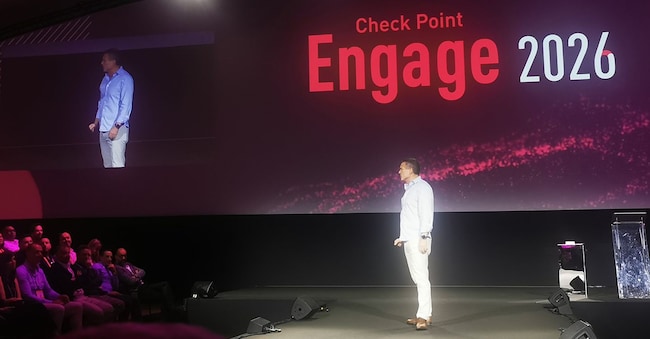
The wars in Ukraine and the Middle East are also changing the face of cyber security, but the real turning point has (probably) yet to come. This is the view of Nadav Zafrir, CEO of Check Point Software Technologies since the end of 2024 and former commander of Unit 8200 of Israeli military intelligence (as well as founder of the IDF’s Cyber Command and later a venture capitalist with Team8), who believes that the true potential of cyberwarfare will be accelerated by the spread of artificial intelligence. In this exclusive interview with *Il Sole 24 Ore* on the occasion of the Engage 2026 event held in early July in Paris, he explains why critical infrastructure will become the main target of attacks and what role governments and businesses might play in the race for AI.
Have recent conflicts changed the face of cyber warfare?
I believe we have not yet witnessed anything truly dramatic: cyber warfare has existed practically since the dawn of the Internet, and with the world’s progressive digitalisation, the attack surface has expanded and, consequently, the opportunities for attack have increased. Cybercrime continues to grow because it is a phenomenon that is difficult to combat; alongside financially motivated initiatives, there are the activities of nation states, ranging from industrial espionage to more destructive aims. Cyberspace knows no borders and is one of the tools in the arsenal of any conflict, used primarily to gather intelligence; yet the most profound change is yet to come.
Why does he claim that the worst is yet to come?
Because the democratisation of technology and artificial intelligence will make the world far more vulnerable. Critical infrastructure, essential public services and the healthcare sector are set to become increasingly exposed targets. We have already seen this with a number of attacks on hospitals, but I believe that what we are seeing today is merely the tip of the iceberg. The most advanced AI models are becoming increasingly effective at identifying vulnerabilities, and this makes it much more difficult to protect industrial and IoT environments, Operational Technology (OT) and SCADA systems, connected networks and PLC controllers.

