
How AI will enhance surveillance services and the security of places and people

3' min read
3' min read
The topic of digital business transformation is of interest to any sector, including the surveillance sector. Technology makes it possible to enrich the portfolio of video surveillance services through new and modern video analysis solutions, which through Artificial Intelligence will allow public and private operators to perform their work with greater agility and, at the same time, offer an increasingly accurate and efficient service.
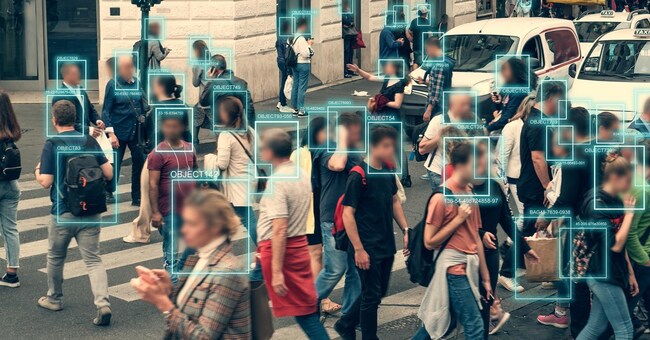
The entire technological and development ecosystem that revolves around AI (Machine Learning, Computer Vision, etc.) finds a space for development and intervention in security and video surveillance services, not changing the objective of existing technologies, which remains that of mitigating the risks related to unauthorised intrusion of people, theft, robbery, fires, etc., but significantly improving the ability to detect these threats in real time and remedy them.
The use of machine learning, for example, enhances and improves the work of a camera, or an operator, through the use of trained algorithms that can tell if an object moving in the scene is potentially dangerous or if the image the camera is framing is actually a human being. The technology acts as a filter, preventing the alarm from going off unnecessarily.
There are three main areas where AI will currently be applied in the security sector: anti-shoplifting, anti-intrusion and fire prevention. These technologies will have a twofold positive effect: they will improve the ability to react to these types of events (false positives are limited to a minimum) and therefore to intervene, and, at the same time, automate various internal activities that until now were carried out manually. Thanks to these video surveillance technologies, a single operator will be able to monitor dozens of locations and situations.
With respect to anti-shoplifting, the activity that enables us to prevent theft in a shop or supermarket, typically at automated checkouts, AI will intervene through behavioural analysis developed with image-based technology that can recognise whether the user makes gestures that are consistent with the fact that he or she is paying for that merchandise or are consistent with the fact that he or she is pocketing that merchandise without paying for it.

