Happy birthday, Vespa – the world’s most beloved scooter turns 80
A true phenomenon in both transport and culture, the scooter par excellence is celebrating its 80th anniversary

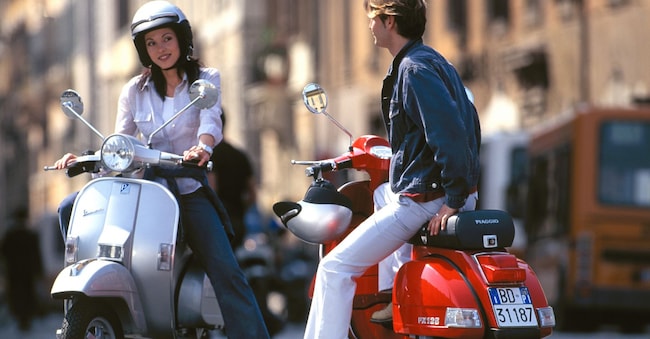
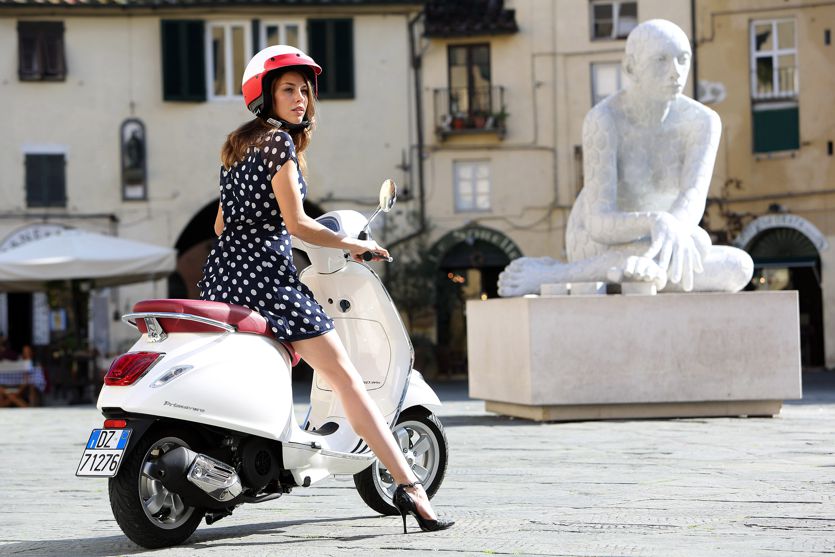
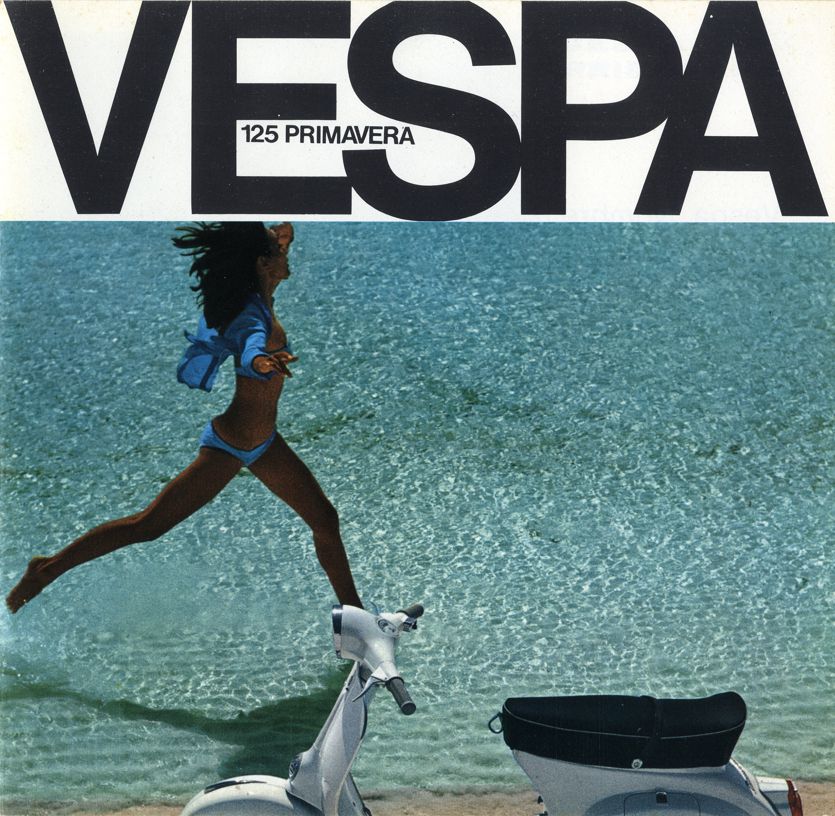
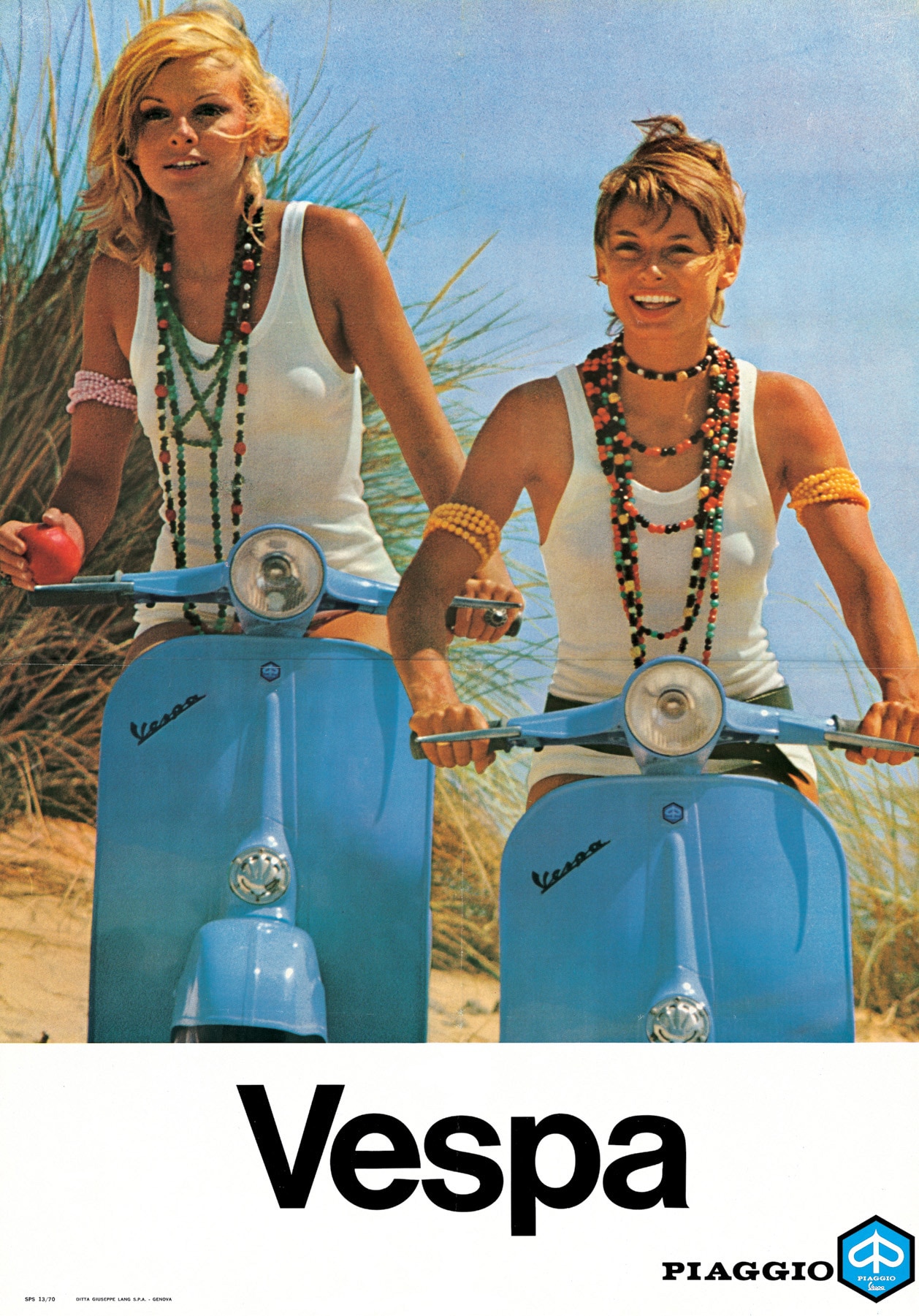
80 years of history, with nearly 20 million units sold across five continents. A brilliant, all-Italian invention – thanks to Piaggio, who registered the patent on 23 April 1946 – the Vespa is truly a global icon and has become a phenomenon unlike any other in the world.
How the Vespa came to be
The Vespa was born out of Enrico Piaggio’s determination to create a low-cost, mass-market product. As the end of the Second World War drew near, Enrico explored every possible solution to restart production at his factories, beginning with the one in Biella, where a ‘motorscooter’ was developed, modelled on the small motorcycles used by paratroopers. The prototype, designated MP5, was nicknamed “Paperino” because of its unusual shape; however, Enrico did not like it, so he commissioned Corradino D’Ascanio to revise the design. The aeronautical designer did not care for the motorbike, which he considered an uncomfortable, bulky vehicle, with tyres that were too difficult to change in the event of a puncture and which got dirty, mainly due to the drive chain. The engineer found all the necessary solutions by drawing precisely on his aeronautical experience. To eliminate the chain, he devised a vehicle with a load-bearing monocoque and direct drive; to make riding easier, he positioned the gearbox on the handlebars; to facilitate wheel replacement, he devised not a fork but a support arm similar to that found on aeroplane landing gear. Finally, he designed a bodywork capable of protecting the rider, preventing them from getting dirty or dishevelled: decades before the widespread adoption of ergonomic studies, the Vespa’s riding position was designed to allow the rider to sit comfortably and securely, rather than precariously perched on a high-wheeled motorbike.
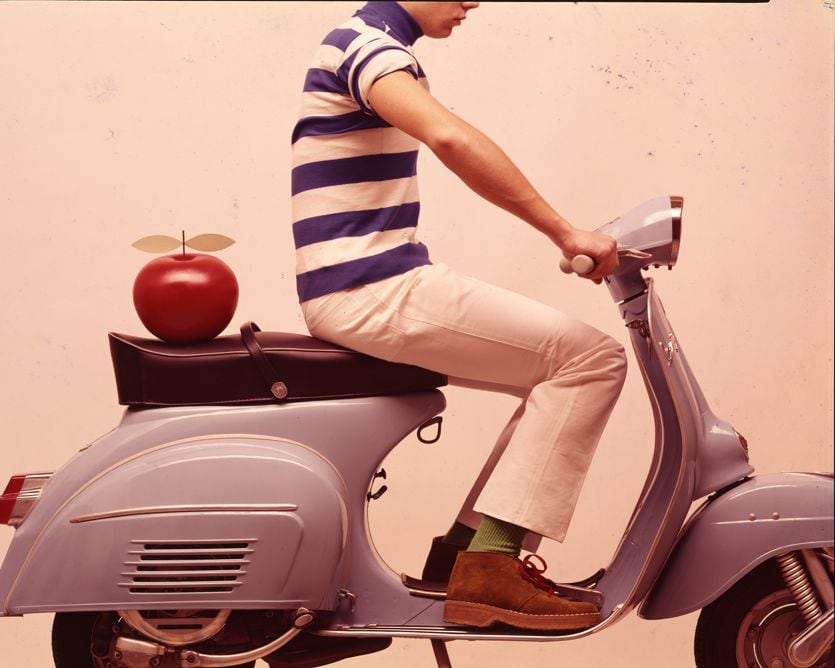
D’Ascanio’s new design gave rise to a vehicle that bore no resemblance whatsoever to the ‘Paperino’: a completely original and revolutionary solution compared to all other examples of motorised two-wheeled transport. With the help of Mario D’Este, his trusted designer, it took Corradino D’Ascanio just a few days to refine his idea and draw up the first design for the Vespa, which was produced in Pontedera in April 1946. The vehicle’s name was coined by Enrico Piaggio himself, who, standing before the MP6 prototype – with its very wide central section to accommodate the rider and its narrow ‘waist’ – exclaimed: ‘It looks like a wasp!’. And so it became the Vespa. On 23 April 1946, Piaggio & C. S.p.A. filed – at the Central Office for Patents, Designs and Trade Marks of the Ministry of Industry and Commerce in Florence – the patent for a “motorcycle comprising a rational assembly of parts and components, with a frame combined with mudguards and a fairing covering the entire mechanical assembly”. Enrico Piaggio wasted no time in launching the mass production of two thousand units of the first 98cc Vespa.