
How to set up your home bar cabinet by choosing the right spirits
The perfect host is the one who knows the taste profile of his guests and offers the most suitable glass at the end of the meal. There are three basic variants: soft, dry, perfumed.

2' min read
2' min read
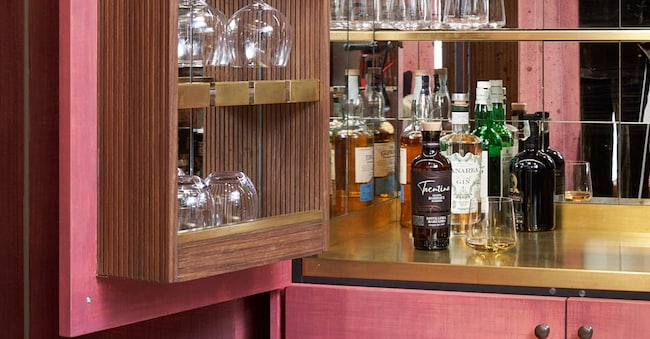
The perfect bar cabinet at home is a matter of taste. Of the guests. According to Alessandro Marzadro, managing director and ambassador of the family distillery based in Trentino, it is essential to take into account the taste profile of those in front of us. "Essentially, they are divided into three categories: there are those who appreciate the soft, rounded effect (hence all those distillates with a delicate structure and where wood plays the main role); then there is the dry-tasting one (gustatory intensity, sustained alcohol content and to be sipped slowly) and a third profile, which is attentive to fragrances, which prefers distillates with fruity/aromatic aromas, where the olfactory part is the prevailing one". For each distillate one should keep the different variants (dry, soft, aromatic), each with its own style.
"Ranging from agricultural rums to English school rums to Cuban rums; a brandy, cognac or armagnac; young, aromatic or aged grappa; a lightly aged single malt whisky with a fruity or peaty note or a more opaque one.
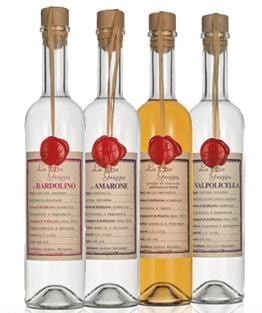
Never impose what we like, even the most precious bottle risks disappointment if the palate is not predisposed. The preferred blend is one that requires little preparation. "Essentially sour, with the addition of sugar and lemon. As for cocktails, American and Negroni are two classic, codified recipes that have enormous room for manoeuvre, for example by substituting whisky for gin you can make a Boulevardier, but the variations are almost endless'. If you want to add a personalised note, before it becomes commonplace among mixologists, "the garnish can be made with dehydrated fruit, which yields flavour but does not affect taste (like fruit in spirit) and is a way of giving fruit a longer life, also from a sustainable perspective". Last, but really essential: the glass. Out of habit or space issues, one prefers one and is inclined to serve everything in it. Wrong. The ballon, for example, tends to give an important alcoholic hit, too much in those who are not used to it. Better the so-called match or tulip, with or without a stem. If you then want to engage guests in conversation, lead them not to 'discover', but to 'rediscover some distillate, liqueur or cocktail of tradition, to re-consider and appreciate them anew'. It is a more powerful weapon than the famous bottle that may not meet the guests' profile: de gustibus, as you know, non est disputandum.

