
How to use less fuel: 5 tips to tackle high petrol prices
With petrol prices at the pump constantly rising, it is important to minimise waste as much as possible.

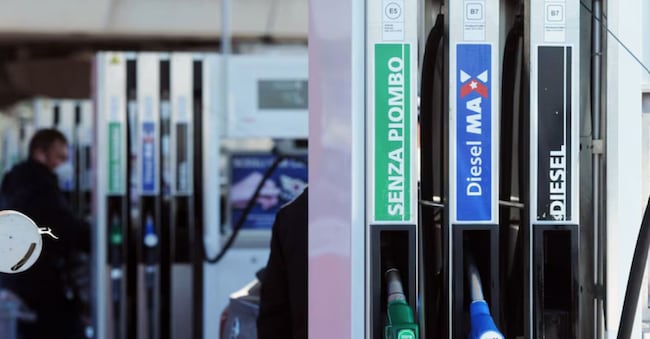
Stopping to fill up at the petrol station is becoming increasingly expensive for Italian motorists every day, with prices reaching levels not seen in recent years. For this reason, it is essential to minimise fuel consumption as much as possible, using simple measures that can make a significant difference to fuel costs at the end of the month. A first step is to use apps that show the prices at nearby petrol stations; whilst this doesn’t reduce fuel consumption, it does lower the cost per litre.
Check tyres, weight and servicing
Before even thinking about changing your driving style, it is worth checking the condition of your car. Tyre pressure that is lower than the manufacturer’s recommended level increases rolling resistance and forces the engine to use more energy to maintain the same speed. You should check this regularly, always when the tyres are cold, using the values specified by the manufacturer. The weight carried also affects the car’s fuel consumption. Leaving unused items in the boot at all times means moving extra kilograms every time you accelerate, whilst roof boxes and roof racks impair aerodynamics, particularly at motorway speeds. Proper maintenance completes the picture; filters in poor condition or faults in the engine management system can result in higher fuel consumption without the driver immediately realising it.
Driving with an eye on the traffic
The second point concerns the use of the right foot. Sudden accelerations followed by equally abrupt braking constantly convert fuel into energy, which is dissipated through the brakes just a few seconds later. A smoother driving style, on the other hand, allows you to make greater use of the car’s momentum. This is the principle behind ‘hypermiling’, a term coined in the United States to describe the techniques used to cover as much distance as possible with the same amount of fuel. In practice, there’s no need for extreme measures. It’s enough to look further ahead, lift off the accelerator sooner when traffic slows down, and avoid approaching a red light whilst continuing to accelerate right up to the last few metres. Many cars now feature a coasting function. Under certain conditions, the engine is disengaged from the transmission and the car continues to move using its own momentum. With mild hybrid, full hybrid and plug-in hybrid cars, the system operates differently depending on the system’s logic, as it may be more efficient to recover energy through regenerative braking during deceleration.

