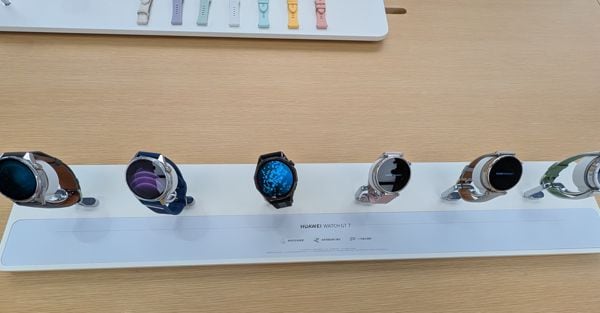
Huawei Watch GT 7 Pro: exceptional battery life, more sports features and a great deal of research and development
The smartwatch focuses on battery life and sport: up to 21 days’ battery life, plus new metrics for running, skiing, cycling and golf.

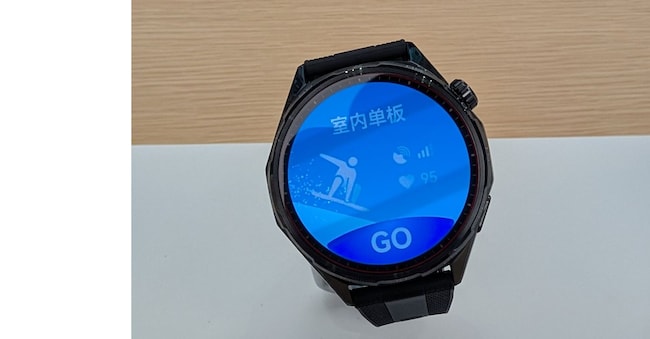
The most important new feature is very practical: the battery life. The new GT 7 smartwatch series was unveiled in Munich, but we’ve been testing it in China over the past few days. Huawei claims up to 21 days on light use, 12 days on normal use and around a week with the Always-On display. When trail running with GPS active, you can get up to 51 hours’ battery life. The 21 days are therefore the theoretical maximum, but even taking the more realistic figure of 12 days, the advantage remains clear compared to smartwatches that need charging every night or almost every night.
Perhaps this is the real technological luxury of the GT 7 Pro: after a few days, you stop checking the battery percentage.
In terms of design, Huawei has made few changes compared to the previous generation. It features a substantial case, sapphire crystal, titanium, an octagonal bezel and a very bright AMOLED display. It’s a smartwatch geared more towards the outdoors than minimalism. The new EasyCross strap, with the end tucking inwards, is a clever little solution: fewer protruding parts and less friction with sleeves and sportswear.
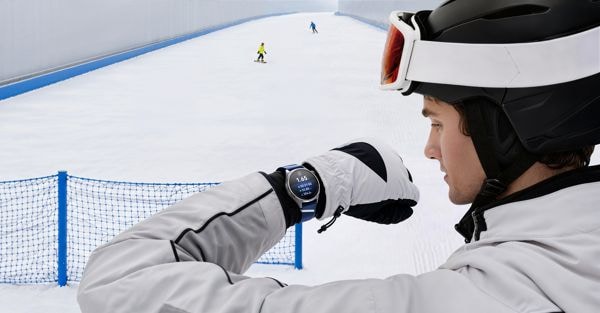
The most interesting new features, however, come from the world of sport. For skiing, the GT 7 Pro introduces G-force tracking during turns and maps of over 3,000 ski resorts. This metric measures the acceleration the body is subjected to: for the casual skier, it will mainly be a point of curiosity, whilst for those who train, it can provide useful data for comparing technique and speed.
For running, the update introduces estimated lactate threshold, running power and the Running Ability Index. Essentially, Huawei is aiming to transform a sea of numbers into useful insights on intensity, aerobic capacity and training load. For cycling, elevation profiles and hill management have been improved. In golf, the Plays-Like Distance feature makes its debut, which adjusts the distance to take the elevation change into account.