
'Humanity ready for the Ai challenge, companies invest in semantic capital'
Philosopher Luciano Floridi anticipates at the Generation Ai Observatory the themes of the second edition of the Orbits project to be held in November

6' min read
6' min read
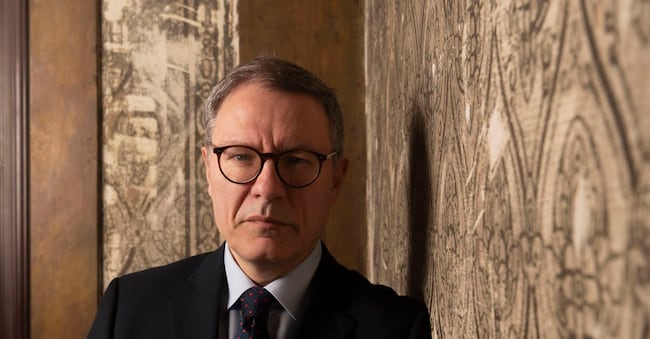
Humanity is ready to face the challenge of Ai and the illusion that "everything is done by Ai is a big blunder". Luciano Floridi, philosopher, founding director of the Digital Ethics Center at Yale University and president of the Leonardo Foundation, in an interview with the Gen Ai Observatory in collaboration with Accenture, takes stock of the prospects opened up by the advent of this great transformative technology, debunking some false myths and emphasising the demand for soft skills and human intelligence, which is not diminishing, but rather increasing. "To those who say 'AI does it all now, self-driving cars do it all' you have to answer that someone will have to decide how and where to go, and why, and choosing from which alternatives."
Companies, large and small, "must invest in semantic capital, and the only owners of the latter are human beings. The value of companies will increasingly be on the intangible. It is a trend that has been there for a long time, but Ai has emphasised, highlighted, and accelerated it. In this context there is an increasing need for human intelligence'. Floridi will talk about all this in November in Milan as part of the Orbits project. It will be, he anticipates, a 'dynamic talk with the intention of engaging the audience with interesting and useful ideas, both for the understanding of our era and to return to the company with new visions and change tomorrow for the better'.
The Orbits project aims to bridge the gap between technology and culture by promoting a critical and constructive dialogue on the digital society. How do you see the role of this project in helping young people and companies better understand the potential of Gen AI?
The project is intended to be a complementary operation to the action that already takes place in terms of training and dissemination in many other venues. Greater knowledge is one of the key words, a critical understanding of what is happening, increasing depth and discernment. The amount of noise about the potential of Gen AI is enormous, continuing to try and pick up on the signals is part of the work of Orbits, to understand how AI integrates and how it transforms its context.
Orbits wants to tell the story of an important theme each year. This year we have chosen that of semantic capital. The aim is to approach the topics in the right way, to work in a way that is not passive, discerning what is useful. This means, in today's society, starting with ethical issues, i.e. concerning the best choices and preferences, and then having more confidence in one's own abilities and opportunities to realise them. We want to play a little bit of a counterpoint: humanity is up to this challenge and there are many opportunities. This means getting away from the logic of 'everything goes wrong', from that simplistic and facile defeatism that is so widespread and also so comfortable. Without falling into the opposite extreme of the superficial Californian-style logic that everything is beautiful and will only go from strength to strength. On all this we work with girls and boys on the one hand and companies on the other, between training and work. They hear the message. When you don't come across as either challenged or foolishly optimistic, there is an extraordinary openness on the part of those who want to understand more.

