
Hungary on the ballot, open challenge between Orbán and Magyar
It promises to be a crucial election after sixteen years of Orbán

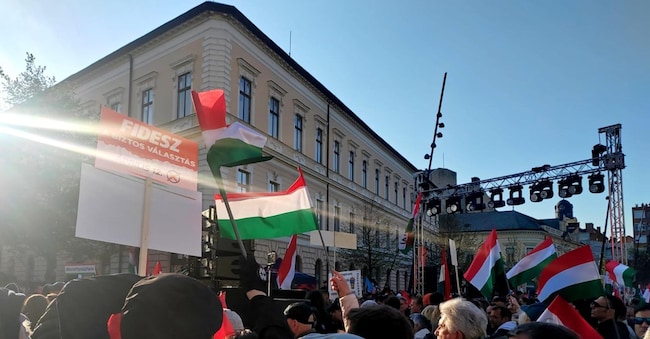
On Sunday more than 8.1 million citizens will be called to the polls to renew parliament. It is a consultation that could interrupt the 16-year rule of Viktor Orbán, leader of Fidesz, in power continuously since 2010, and pave the way for the opposition led by Péter Magyar, a former establishment figure now leading the Tisza party.
Polling stations will be open from 6 a.m. to 7 p.m., followed by a night of counting that promises to be long and uncertain. The turnout could exceed the already high 70% recorded in 2022, with a significant mobilisation especially among young people: more than 180,000 will vote for the first time and the under-30s represent more than 12% of the electorate, a potentially decisive component.
Votes from abroad will also be affected: about 500 thousand voters will vote by mail, while more than 90 thousand will express their preference in diplomatic offices. Minorities involve nearly 74 thousand people.
Contrasting polls, wide open game
The polls paint a fragmented picture that is difficult to interpret. The most recent independent surveys indicate an advantage for Tisza, with percentages ranging from 49 per cent against 40 per cent to wider margins among decided voters. However, institutes close to the government continue to report Fidesz in the lead, fuelling a real 'numbers war' that has characterised the entire election campaign.
Caution remains in order: in a system like Hungary's, national consensus does not automatically translate into a parliamentary majority.

