
AI IPOs to Wall Street: all chasing 4 trillion
OpenAi's victory in the lawsuit against Musk reopens the season of big quotes: 12 freshmen are on their way, 92% of them AI-related. While the debate over risks grows

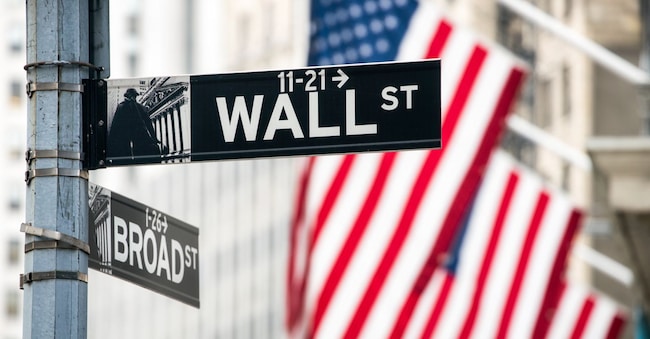
The era of 'hectocorns' and 'kilocorns' in artificial intelligence is at Wall Street's doorstep and swells its ambitions of continuous records despite the risks. Spearheaded, precisely, by a species that has replaced the magical and now modest unicorns of the past with hectocorns, start-ups with mega-valuations in excess of a hundred billion dollars, and kilocorns, over a thousand billion. Specimens that in the next twelve months, between 2026 and early 2027, promise to arrive on the market parterres with a collective valuation exceeding four trillion.
The specialised platform Ai Funding Tracker, set up to follow the financial adventures of the protagonists of the new hi-tech frontier, estimates that as many as 92 per cent of the dozen most anticipated initial placements are now related to artificial intelligence, sanctioning its absolute dominance in this year's stock market debuts.
The maths of optimism is actually easy, since the total figure of trillions is reached on paper already by adding up just three giants, starting with Elon Musk's Space X. Alongside the in-orbit rocket business, it has absorbed Tesla patron himself's xAi and is approaching two trillion in value. It has already filed the necessary S-1 documents confidentially with the SEC for a landing on the Nasdaq on 12 June that it wants to raise 75-80 billion, an unprecedented haul. And that will be a real test of the markets' appetite, the pipeline of placements.
OpenAi is also on the horizon, with the path to placement cleared by a court victory against Musk himself, who had accused his CEO and personal rival Sam Altman of misleading investors. OpenAi is counting on crossing the 1 trillion valuation milestone (it is currently travelling at 852 billion) to reach the market between the end of the year and 2027. Finally, the third signature, Anthropic, already has a target of one trillion and more valuation at around 950 billion. It could beat OpenAi in the timing of the IPO, by as early as October, thanks to a rise among investors and in innovation (and also the boast of more prudent and ethical behaviour).
Other names that could soon appear on the stock exchange, so far without set dates, include Databricks, a giant in Ai analytics, with a valuation of 134 billion after a fundraising round at the beginning of the year. Also at stake is Anduril Industries, in defence Ai, itself fresh from a capital raising that doubled its value to more than 60 billion.


