
Hyundai Bayon: what the second generation is like. Debut at the Paris Motor Show
It’s getting longer and has a completely new look

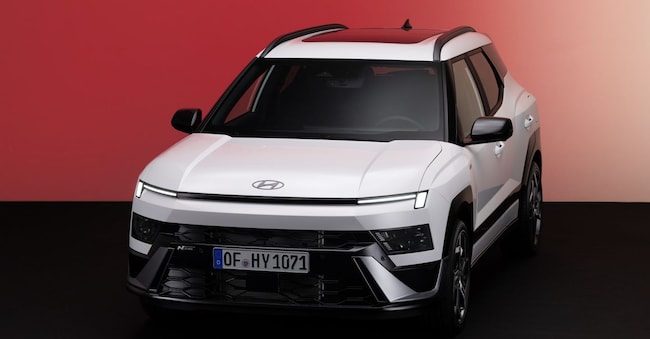
The name is the same, but it is virtually impossible to find any similarities with the previous model. The Hyundai Bayon is now in its second generation and marks a radical break with the past, starting with its styling, dimensions and features. Unveiled to the general public at the Paris Motor Show, which runs from 12 September, it is characterised by the new ‘Art of Steel’ design language, featuring sharper lines, pronounced wheel arches and a vertical front end, whilst the interior boasts two 12.3-inch screens and a significantly more comprehensive suite of driver-assistance features than before. At launch, two petrol engines producing 90 and 115 cavalli will be available, followed later by a 138 cavalli full-hybrid version.
Hyundai Bayon: dimensions and styling
The second-generation Bayon measures 424.5 centimetres in length, 181 in width and up to 157 centimetres in height in the petrol versions with 18-inch wheels. Compared to the previous model, this represents an increase of 6.5 centimetres in length, 3.5 in width and up to 7 centimetres in height. The wheelbase measures 260 centimetres, whilst the ground clearance is approximately 18 centimetres. The change in proportions is accompanied by a more angular design. At the front, the sculpted bonnet and the full-width horizontal light signature, combined with the LED headlamps, stand out. Viewed in profile, the more pronounced wheel arches, contrasting protective trim, black A- and D-pillars and roof rails are noticeable. At the rear, a light signature reminiscent of the front returns, alongside a more prominent lower bumper. Alloy wheels are available up to 18 inches, whilst the N Line features specific design elements, gloss black finishes and a rear diffuser with two integrated exhaust tailpipes.
The new Hyundai Bayon: interior and technology
Inside, everything has changed just as much as on the outside. The infotainment system features a 12.3-inch screen, flanked by a digital instrument cluster of the same size. The two displays are integrated into a single curved unit, whilst retaining the physical controls for the most frequently used functions. It also features wireless Apple CarPlay and Android Auto, wireless smartphone charging, front and rear USB sockets and, depending on the trim level, a Bose sound system. The Digital Key 2 allows you to unlock and start the car using a compatible smartphone or smartwatch. The increase in size also brings more space in the rear. Hyundai states 93.5 centimetres of legroom for rear passengers and 98 centimetres of headroom. The rear seatbacks are reclining, and heated seats and dedicated air vents for the climate control system may be fitted. Heated and ventilated seats are available up front, whilst features include dual-zone automatic climate control and a panoramic sunroof. The boot offers 440 litres in the petrol versions and drops to 397 litres in the forthcoming hybrid.
Hyundai Bayon: petrol and full-hybrid engines
At launch, the range will consist of the 1.0 T-GDi turbo petrol engine in 90 and 115 cavalli variants. Both can be paired with either a six-speed manual gearbox or a seven-speed dual-clutch gearbox. The claimed top speeds are 171 and 180 km/h respectively. The new hybrid system will follow at a later date. The configuration outlined by Hyundai combines a 1.6-litre GDi petrol engine with an electric motor and a six-speed dual-clutch gearbox, delivering a total power output of 138 cavalli. The system will also utilise adaptive regenerative braking, with the level of energy recovery selectable via the steering wheel paddles. In terms of ADAS features, the new model introduces, amongst others, Highway Driving Assist 2, 360-degree cameras, Blind-Spot View Monitor, adaptive cruise control and collision avoidance systems for front, side and reversing manoeuvres.

