
Taxis, Prince Albert and the future of Europe
These days, geopolitics with the tariffs it brings with it is certainly one of the first concerns for entrepreneurs, but it is the lack of a culture of innovation and experimentation that will do the most damage to Europe and its industrial system in the long run. This is where entrepreneurs and their associations could more authoritatively and incisively push for change.
The saying 'America innovates, China imitates, Europe regulates' is not only true but disastrous for a future that wants Europe to be at the forefront of innovation as it was from the beginning of the 19th century until World War II. Then the best scientists fled persecution and war, now many of our shrewdest and most ambitious minds emigrate fleeing from a climate of resigned protection to the bitter end through regulation. The proposals of Mario Draghi (a competitiveness strategy for Europe) and Enrico Letta (Much more than a market) have been largely unheeded.
familyandtrends thinks there might be something else that makes Europeans realise the dramatic situation we are in: taxis. Europeans who travel will have happened or will happen to take a self-driving taxi either in the US, e.g. a quarter of the rides in San Francisco use the technology, or in China, e.g. in Shanghai there are more than 100 robotaxis, in Wihan more than 2,000.
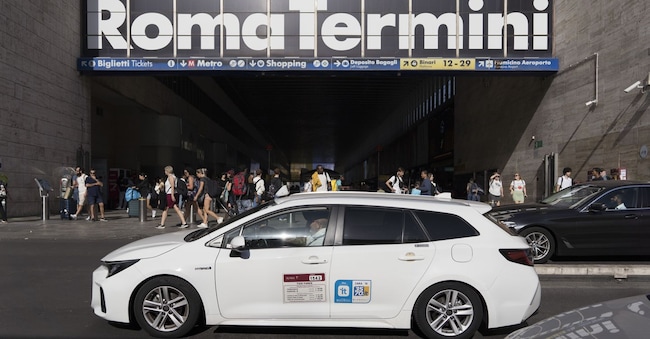
Il primo. Il taxi è un mezzo usato da molti, anche saltuariamente, ed è il modo più diretto per capire la cultura di un paese. A New York si alza la mano e un taxi si ferma, di solito c’è un guidatore che fa questo lavoro temporaneamente ma è confidente di migliorare con l’impegno il suo stile di vita. A Londra si alza la mano, un taxi si ferma, il conducente conosce a memoria tutte le vie e i principali punti di interesse della città; per punti di interesse non si intende solo ministeri, ambasciate, grandi magazzini: sa anche portarvi dove ha vissuto Mazzini nell’800. Per prendere la licenza è necessario sapere a memoria tutti questi indirizzi, tanto che la prof.ssa Maguire ha studiato quanto cresce la dimensione del cervello prima e dopo l’esame. A Parigi si alza la mano e spesso si deve finire per andare ad una stazione dove si trovano i taxi fermi. A Roma… .
It is also interesting to note that in London and Paris, licences, with a few exceptions, are not transferable. Throughout Europe, taxi drivers' protests to defend the status quo are among the most efficient and, in some cases, imaginative: suffice it to recall the Milanese taxi drivers who rang outside Prof. Giavazzi's house at night, guilty of proposing greater liberalisation of the sector.


