Ibrahim Mahama stars at Art Basel Awards
Ghanaian artist wins Best Artists-Established at Art Basel Awards and leads Art Review Power 100 ranking, rewarded for his talent and great impact on his community

Key points
Too many fairs, too many works, too many images, too many names, too much short-term speculation, talent dispersed in a thousand rivulets, TikTok that has reduced our attention span to that of a goldfish: astonishment and oblivion, astonishment and oblivion, intermittently without the memory being touched. How does something, and specifically a work, an artist, crystallise in the collective imagination? How does it escape from the flux that whips everything up and digests it?
Art Basel, after having multiplied its offer infinitely, four fairs scattered around the world with the fifth on its way to Qatar, tries to give us cornerstones, names to hold on to, with perhaps the implicit promise that they will be imperishable, hence the Art Basel Awards.
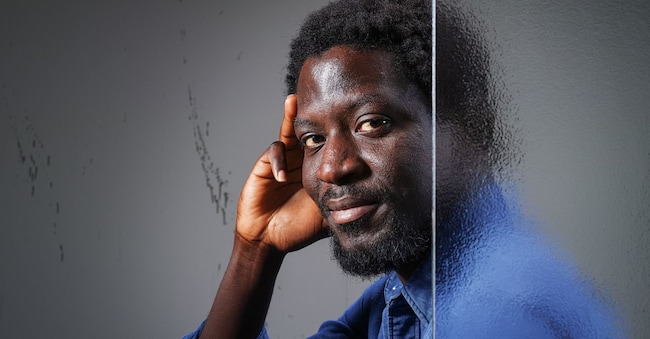
Nine categories: Artists-Icon, Artists-Emerging, Curators, Institution, Cross-Disciplinary Creators, Patrons, Allies, three to six finalists in each category, all of whom will be awarded in June during Art Basel. At Art Basel Miami Beach, the overall winner for each category was elected a few hours ago. Let's detoxify ourselves from the guilty pleasure that reading rankings gives us and focus on the winner among the Artists-Established, where in a shortlist that included Nairy Baghramian, Tony Cokes, Cao Fei, Delcy Morelos, Ho Tzu Nyen won Ibrhahim Mahama, a Ghanaian born in Tamale in 1987. His momentum is also reinforced by the fact that he is ranked number one in the 2025 ranking of Art Review Power 100, the first African person to achieve this.
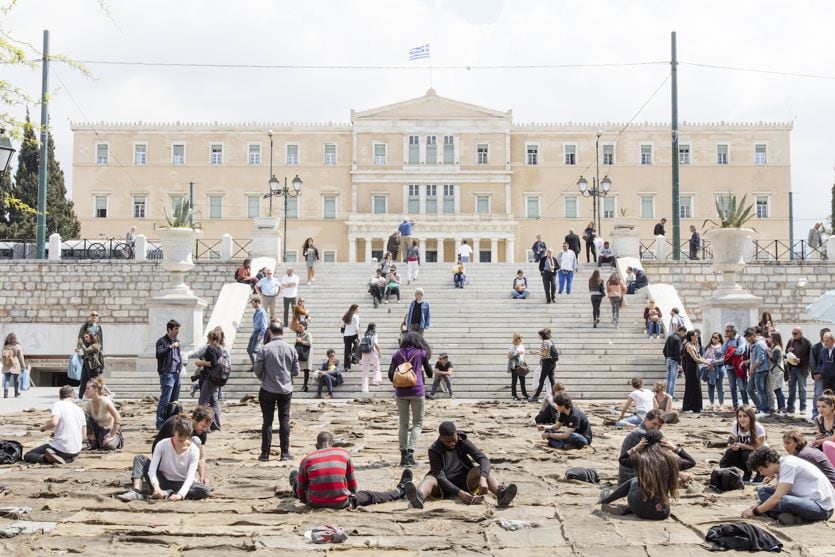
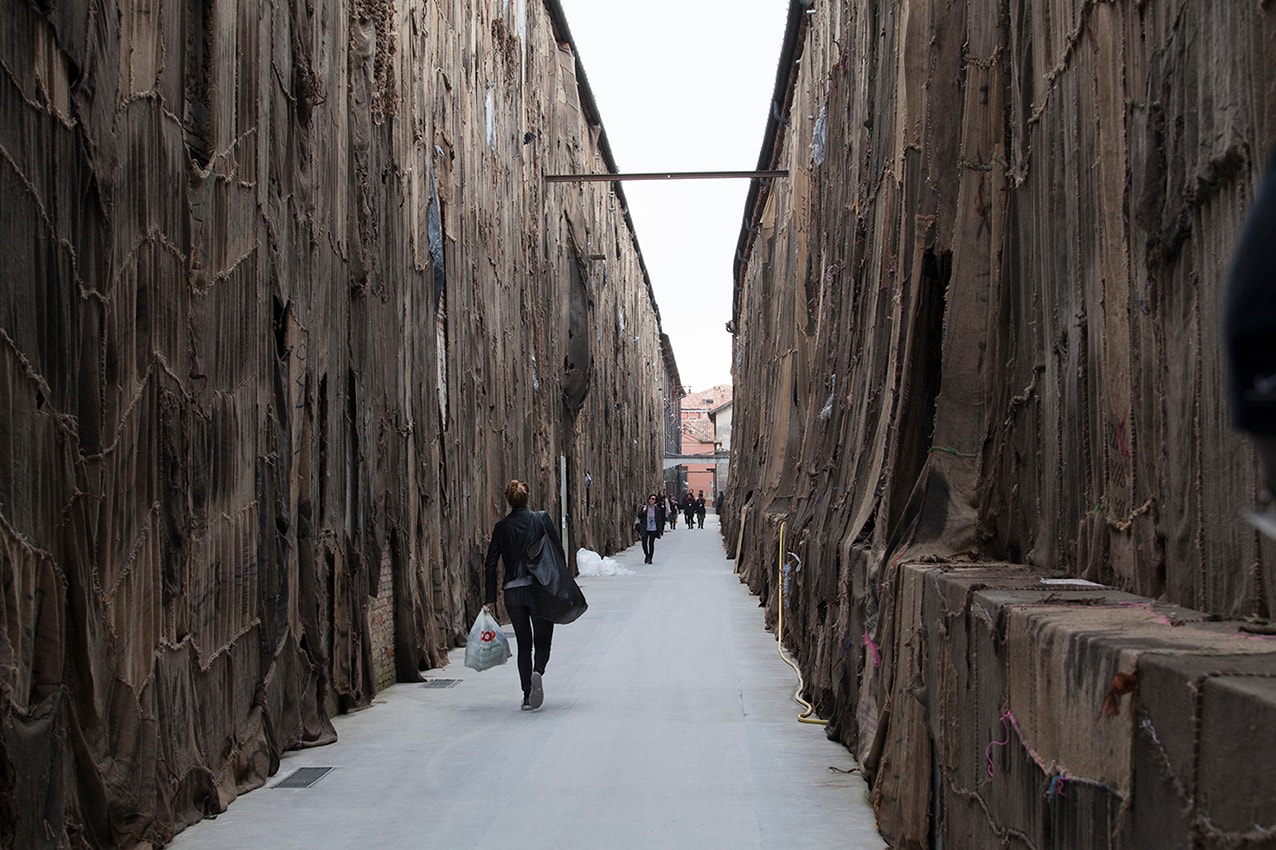
The motivation mentions both his role as an artist but also as an 'infrastructure builder' to help other creative people realise their vision. Here are a few milestones in his journey that led him to the results (and quotations) of today. It is 2013 while he is in residence at Gasworks, in London he meets Francesca Migliorati, who leads together with Chiara Rusconi Apalazzogallery in Brescia. Immediately the first work sold in Italy, made with her now famous jute sacks, was bought by a well-known collector from Veneto for less than EUR 10,000. The value of the same work increased tenfold in this decade. In 2015, his first consecration arrived: in the Biennale edition entitled "All the World's Futures" and curated by Okwui Enwezor, he literally covered the large wall at the beginning of the Arsenale with jute sacks "Out of Bounds, 2015", and he was to be one of the great protagonists of that Biennale. He also started working with the White Cube gallery to further strengthen his presence on the market. In addition to the reused sacks, another recurring element of his are the large installations made with found objects from Ghana, objects steeped in life that tell parallel stories and collective memories and affirm an aesthetic that is as personal as it is inextricably linked to the socio-economic challenges of his country: work, migration, colonisation. "Non-Orientable Nkasa II", 2017, a monumental installation made by assembling hundreds of shoe boxes recovered by him and his collaborators in the markets of Accra represents one of the artist's market peaks, it was in fact sold by Apalazzogallery during Art Basel Unlimited, in 2018, for 350,000 euros.
This milestone did not cause prices to skyrocket at auction, present since 2015 with 42 passes, mostly sacks, its record dates from 2018 and is 'Chale Wote' from 2014, which fetched €85,681 (including commission) from an estimate of between €68,545 and €102,818 at Sotheby's London Modern & Contemporary African Art auction.
The Return
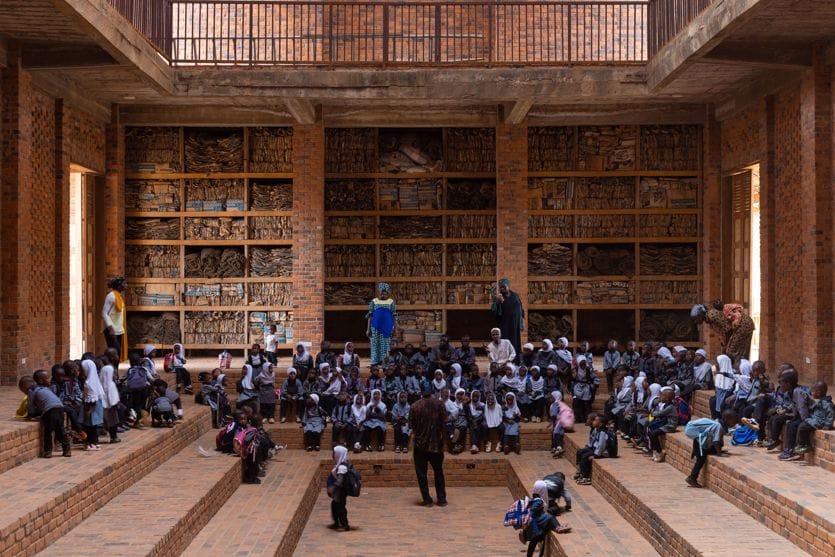
"Art is a precarious gift," Mahama often repeats, and this is where his projects come from, in which art becomes a vehicle for reactivation and social cohesion, its success, including economic success, is turned into an opportunity for other artists. In 2019 he founded the SCCA (Savannah Centre for Contemporary Art) in Tamale, art becomes a pillar of social infrastructure and a place for residencies, research, production and archiving. Following this mantra, in the following years he inaugurated Red Clay Studio and Nkrumah Voli-ni where Mahama reconverts abandoned silos, trains and planes: what was wreckage becomes an educational tool, constructions born out of colonial coercion become a driver of community development. Practice breaks away from the mere production of the object and situations, collaborations and languages are created. Emerging from this fermenting environment is the artistic and curatorial collective blaxTARLINES, which was presented this year in a single show by Apalazzogallery itself at MiArt, enjoying great success and one work was even acquired by Fondazione Fiera Milano for 6,000 euros.