
The Puccini Hotel Milano reopens as part of the Hilton Tapestry Collection
The project covers approximately 2,700 square metres spread over four floors, comprising 59 rooms and communal areas, including the rooftop restaurant with a terrace. The total investment in the refurbishment amounts to approximately €10 million, with Progetto CMR responsible for the architectural design and Progetto Design & Build for the construction.
Key points
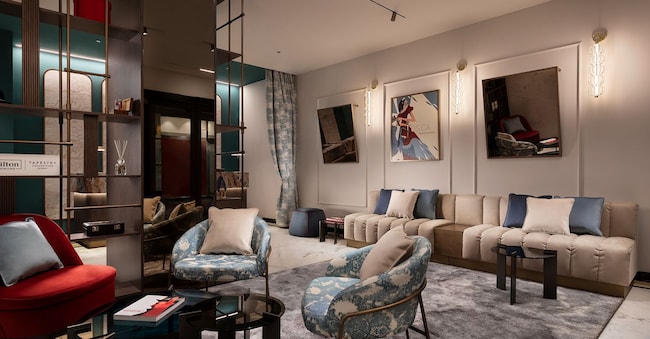
The discreet sign appears to mark the entrance to the theatre. In reality, in the heart of Milan, the Puccini Hotel Milano – Tapestry Collection by Hilton – is a quiet ‘treasure trove’ along the bustling Corso Buenos Aires. The hotel is the result of the complete redevelopment of a long-abandoned building, returned to the city as a new contemporary accommodation destination, and represents an urban regeneration project close to Porta Venezia.
The hotel
The construction of the new hotel involved several companies within the Progetto CMR International Group: Progetto CMR for the architectural design, Progetto Design & Build for the construction site management aspect, InFire for the fire safety engineering and Stain Engineering for the design of the building services, whilst also drawing on the expertise of architect Chiara Caberlon for the interior design.
An integrated and multidisciplinary approach that enabled the coordinated management of all stages of the project and the associated logistical and administrative complexities involved in the conversion of a historic building.
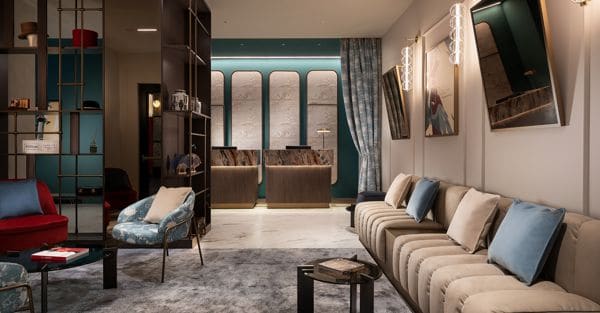
The design process, carried out in close collaboration between the various disciplines involved, enabled us to meet a particularly tight schedule: from the initial brief to the handover of the project within the same year, right through to its completion and opening to the public this year.
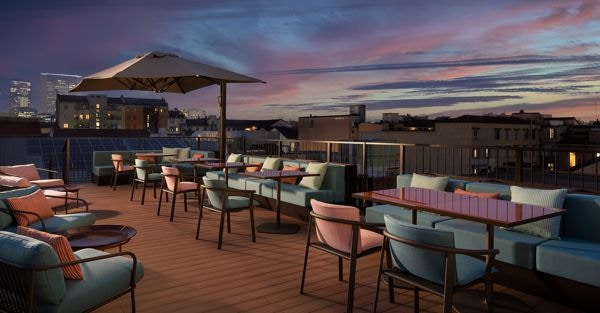
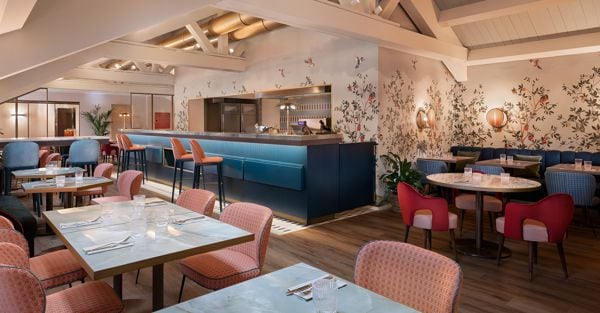
The project covers an area of approximately 2,700 square metres spread over four floors, comprising 59 rooms and communal areas, including the rooftop restaurant with a terrace, which creates a direct connection with the urban landscape and the urban gallery that forms a defining feature of the building. The total investment in the refurbishment amounts to approximately €10 million.
Brand connect


Newsletter RealEstate+
La newsletter premium dedicata al mondo del mercato immobiliare con inchieste esclusive, notizie, analisi ed approfondimenti
Abbonati