
Illegal dumping will be punished by confiscation
In addition to the sentence, the offender will be required to forfeit the instruments of the offence and any proceeds thereof

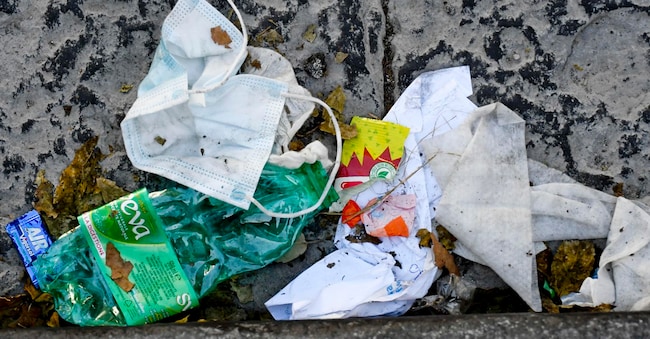
From today, anyone who dumps waste, handles it without authorisation or disposes of it illegally, risks – in addition to a penalty – the forfeiture of the instruments of the offence and the proceeds derived therefrom. This is the effect of Legislative Decree 186/2026, which implements Directive (EU) 2024/1260 on the recovery and confiscation of assets relating to various types of offence.
On the environmental front, the measures implemented are twofold: new provisions are introduced into the Criminal Code, whilst Legislative Decree 152/2006 is expanded to include forfeiture provisions, which deprive the offender of ownership or control of an asset in favour of the State: confiscation, in fact. Legislative Decree 231/2001 remains unaffected.
Overview of environmental offences
Article 2 of Legislative Decree 186/2026 introduces two legal concepts relating to environmental offences:
1) Article 240-ter (confiscation of assets used in the commission of the offence by way of equivalent value): if it is not possible to confiscate the property used or intended for the commission of the offence, the court shall confiscate other property or assets of equivalent value, including those held by a third party, taking into account the seriousness of the offence and the financial circumstances of the convicted person. This includes environmental pollution (452-bis), environmental disaster (452-quater), trafficking in highly radioactive material (452-sexies) and organised activities involving the illicit trafficking of waste (452-quaterdecies), as well as the offences set out in Articles 255-bis, 255-ter, 256, 256-bis and 259 of the Environmental Code;
2) Article 240-quater (confiscation from third parties): if the defendant does not possess assets of equivalent value, the judge may confiscate assets transferred to a person unconnected with the offence in order to evade confiscation, provided that the third party was aware of this purpose. The list includes the four offences mentioned and provided for in the Criminal Code, as well as Articles 255-bis, 255-ter and 259-bis of Legislative Decree 152/2006.

