
Plastic packaging: sale permitted only if it is biodegradable and compostable
The exemption mainly applies to the packaging of fruit and vegetables and hotel cosmetics. The ban will come into force across the rest of the EU from 2030

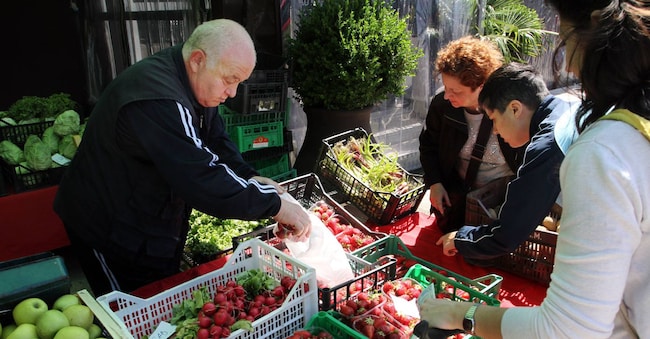
From 2030, the EU Packaging Regulation (2025/40) will ban the sale of disposable cups in cafés, as well as sugar sachets and shampoo sachets in hotels. Italia has taken pre-emptive action and, making use of the ‘loophole’ provided for in the regulation itself, has ensured that these packaging items remain on the market, provided they end up in organic waste as they are compostable and biodegradable.
The regulatory process
The law converting Decree-Law 143/2026 on the compostability requirement for certain single-use plastic packaging, published in the Official Gazette on 6 October, has introduced a number of amendments to the basic text of the Decree with regard to fruit and vegetable packaging (which is exempt until EU guidelines on products requiring packaging come into force) and cosmetics in hotels (which must be compostable and biodegradable, as must the packaging containing them). No penalties will be imposed if the economic operator can prove they purchased the packaging with compliance documents provided by the manufacturer, importer or distributor. But let’s take it one step at a time.
The EU Packaging Regulation (in force from 12 August 2026) lists, in Annex V, certain types of single-use plastic packaging which, from 2030, will no longer be permitted on the market. These include packaging containing less than 1.5 kg of fresh fruit and vegetables (such as nets and trays) and packaging for food and drink consumed in cafés, restaurants and hotels (such as disposable plates and cups). Also included are flexible single-dose cosmetic packaging in hotels (the HoReCa sector) and single-portion condiments from the same sector, such as sugar and sauces. There are few exceptions, including takeaway food.
The alternatives
However, in order to circumvent the ban, the regulation allows Member States to impose biodegradability and compostability of packaging, but subject to certain conditions: certification of the ‘green’ characteristics by an accredited body (which the new law specifies must comply with ‘standard UNI EN 13432 or an equivalent EU standard’); the possibility of collection as organic waste (in Italia, Article 182-ter, paragraph 6, of Legislative Decree 152/2006, provided that certification is in place) and the decision to give the ‘green light’ by 12 August 2026. And so it was with Decree-Law 143/2026, which, having come into force on 8 August, added Article 226-quinquies to Legislative Decree 152/2006. In Italia, therefore, packaging may remain on the market even from 2030 onwards.
From 1 January 2030, any breach of the rules will result in a penalty of between 2,500 and 25,000 euros, which may rise to up to four times the maximum amount if the value of the packaging exceeds 10 per cent of turnover. The national policy therefore focuses on compostable materials rather than on reducing packaging.

