
Virtual reality immersive experiences capable of triggering psychedelic-like effects
This is the result of a study co-ordinated by researchers at the Università Cattolica del Sacro Cuore, Milan campus, just published in Dialogues in Clinical Neuroscience. Possibilities of integrating cyberdelics with other treatments and psychotherapies
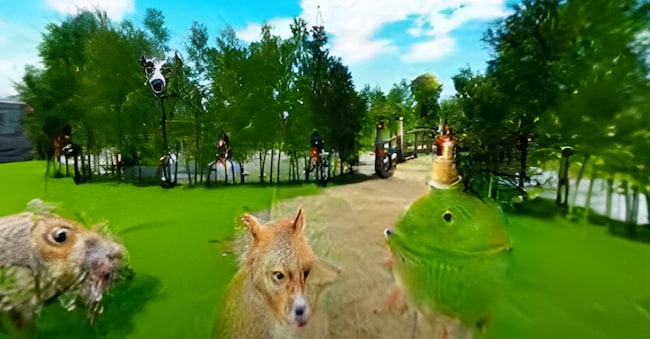
Virtual reality, with immersive experiences, provokes visual hallucinations similar to those induced by the use of psychedelic substances, albeit without the actual use of substances. This is the result of a scientific study published in the journal Dialogues in Clinical Neuroscience and conducted by a team of researchers coordinated by Professor Giuseppe Riva, director of the Humane Technology Lab, at the Università Cattolica del Sacro Cuore, Milan campus. The study, Cyberdelica: Psychedelic Experiences in Virtual Reality, between research and therapeutic perspectives, was conducted by Drs. Giulia Brizzi and Chiara Pupillo (Humane Technology Lab, Università Cattolica) to explore the psychological effects of cyberdelic experiences in virtual reality.
The results
The results show that this type of experience has a significant effect on various cognitive and emotional processes, changing the level of brain activation, altering the emotional state, and leading to greater cognitive flexibility and creativity with effects potentially comparable to psychedelic substances.
'We have demonstrated for the first time that virtual reality is able to replicate some of the positive effects typically associated with the use of psychotropic substances,' explains Professor Riva, 'among which of particular relevance is the increase in cognitive flexibility and creativity. It remains to be clarified, however, whether these effects are really comparable, on a neurobiological level, to those produced by compounds such as psilocybin or LSD. The data collected, however, suggest that the path taken is promising and deserves further investigation.
Background
The scientific interest in cyberdelics is part of the broader debate on the use of psychedelics in psychiatry. At present, these substances are not legislatively approved for routine therapeutic use, Professor Riva emphasises. However, in countries such as the United States and Switzerland, they are already being used by authorised clinics and/or within experimental protocols. In particular, they are being used for patients with conditions such as depression resistant to other treatments and post-traumatic stress disorder that do not benefit from traditional forms of therapy. Obviously, the use of these substances is part of structured psychotherapeutic treatment pathways, as an additional and supportive element. Following the positive data, something has also started to move in Italy: this August (2025), the Italian Medicines Agency (AIFA) authorised the first clinical trial of psilocybin for the treatment of resistant depression.
The Studio
Gli ambienti cyberdelici vengono progettati grazie a specifiche tecniche di visualizzazione basate sull' intelligenza artificiale. Nello studio in questione, ad esempio, i ricercatori hanno elaborato un video di rilassamento prodotto dall'azienda Become dandolo “in pasto” all'algoritmo di Google DeepDream che ha trasformato il video in un'esperienza immersiva arricchita da effetti visivi di tipo allucinatorio.
I ricercatori hanno coinvolto 50 volontari sani che sono stati esposti a due esperienze di realtà virtuale immersiva della durata di 10 minuti: “The Secret Garden” e la sua versione “Allucinata”. L'obiettivo dello studio era vedere variazioni in termini psicofisici e cognitivi a seguito dell'esposizione ai diversi video rispetto allo stato di partenza. Ebbene, rispetto al video di controllo, la sua versione allucinatoria ha scatenato diversi cambiamenti cognitivi nei partecipanti nel breve periodo di tempo a seguito dell'esperienza.
Sebbene sia più sicura rispetto alle sostanze psic
Brand connect


Newsletter Scuola+
La newsletter premium dedicata al mondo della scuola con approfondimenti normativi, analisi e guide operative
Abbonati