
'Imposing electric is harmful: car lists must evolve gradually'
Maurizio Capogrosso, recently elected as the new president of the Top Thousand Observatory, speaks

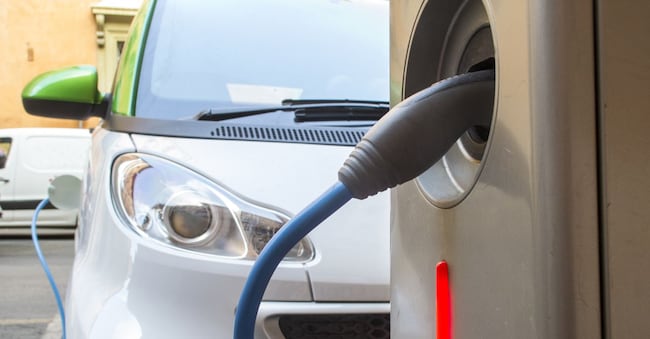
Fleets are a strategic partner in the ongoing mobility transformation process. Precisely because of this leading role, we need stable policies and medium- to long-term incentives, not spot interventions. This is strongly supported by Maurizio Capogrosso, recently elected as the new president of the Top Thousand Observatory. "It is essential," Capogrosso emphasises, "that the introduction of new regulations takes into account the management impact on companies, providing a clear roadmap and adequate timeframes for implementation. It is also necessary to support companies not only in the inclusion of electric cars in their fleets, but also in the implementation of an adequate recharging infrastructure'. Still on the subject of fleet electrification, Capogrosso emphasises that 'car lists must evolve gradually, trying to integrate electric vehicles without a priori excluding traditional motorisation. In fact, a technical counterpart is not always available to offer as an alternative to the thermal. Even the choice of the plug-in hybrid should only be made if it is really sustainable for company fleet mileage. The position must be one of openness and pragmatism: favour electric vehicles where it makes sense, without imposing it indiscriminately'. Updates to the car lists are also used to concretely test the performance, total cost of ownership and liking of the new vehicles introduced. "In this way real data is collected that allows more informed decisions, avoiding ideological choices and favouring a sustainable and measurable transition".
Closely linked to this issue is also the question of taxation. "In order to encourage the transition to electric power, even the taxation on domestic electric recharging should be re-evaluated by the legislator in order to offer a reimbursement of the expenditure incurred by drivers to recharge their company car without them or the company having to face additional costs". Addressing his fellow fleet managers, Capogrosso urges them to 'adopt a proactive and critical stance. Proactive in the sense of proposing changes regarding the vehicles on their respective car lists, also to be more compliant with tax regulations. Critical because this initiative can represent a heavy cost burden for companies and can generate confusion if not approached with the right care'.
Turning to the future plans of the Observatory, Capogrosso emphasised that the guidelines to be followed in the coming months were decided by asking all members which topics should be addressed as a priority. "Four topics emerged on which to act. Sustainability and the evolution of corporate mobility, with a focus on electrification, are naturally at the centre of the fleet managers' attention. It is also very important to continue talking about management efficiency, promoting digital tools and processes that reduce management costs, and protecting the category, acting as a spokesperson with institutions and stakeholders to ensure favourable regulations and market conditions, activating thematic working tables, sharing best practices among fleet managers, and strengthening ongoing training. Lastly, we must not neglect innovation and energy transition, encouraging experimentation and the adoption of new technologies to anticipate market trends and support the competitiveness of companies'.
The scenario in the corporate fleet world has been quite fluid in recent years, with acquisitions, mergers and the entry of new players. The change forces all players to adopt a more collaborative and flexible approach. "With rental companies, we need more transparency on costs and conditions. With car manufacturers, a closer dialogue is needed to manage delivery times and technological transitions. Finally, with the associations, it becomes strategic to strengthen the role of representation in the hope that this will have a greater influence on the legislator'.

