
In Amazonia the test-bed of the new global cooperation
From 10 to 21 November in Belém, the Major Parties will have to assess the commitments to reduce emissions, how to mobilise the cheque for developing countries, and a new fund against deforestation will be launched
by Chiara Bussi
 Aggiungi Il Sole 24 Ore
ai preferiti su Google
Key points
- Expectations of a change of pace
- Funds for Developing Countries
- Deforestation
- Global mutirão
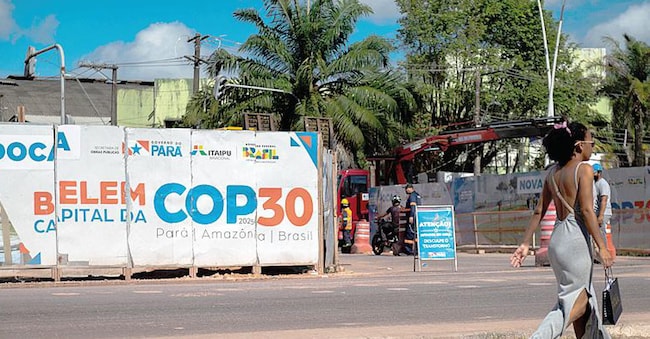
Back to Brazil. Here, from 10 to 21 November, the curtain rises on Cop 30, the UN Conference of the Parties on Climate Change. Leaders will gather in Belém, in the heart of the Amazon 33 years after the 1992 Rio Summit, the first world conference on the environment. The summit also marks the 20th anniversary of the entry into force of the Kyoto Protocol on climate and the 10th anniversary of the Paris Agreement.
The expectations of a change of pace
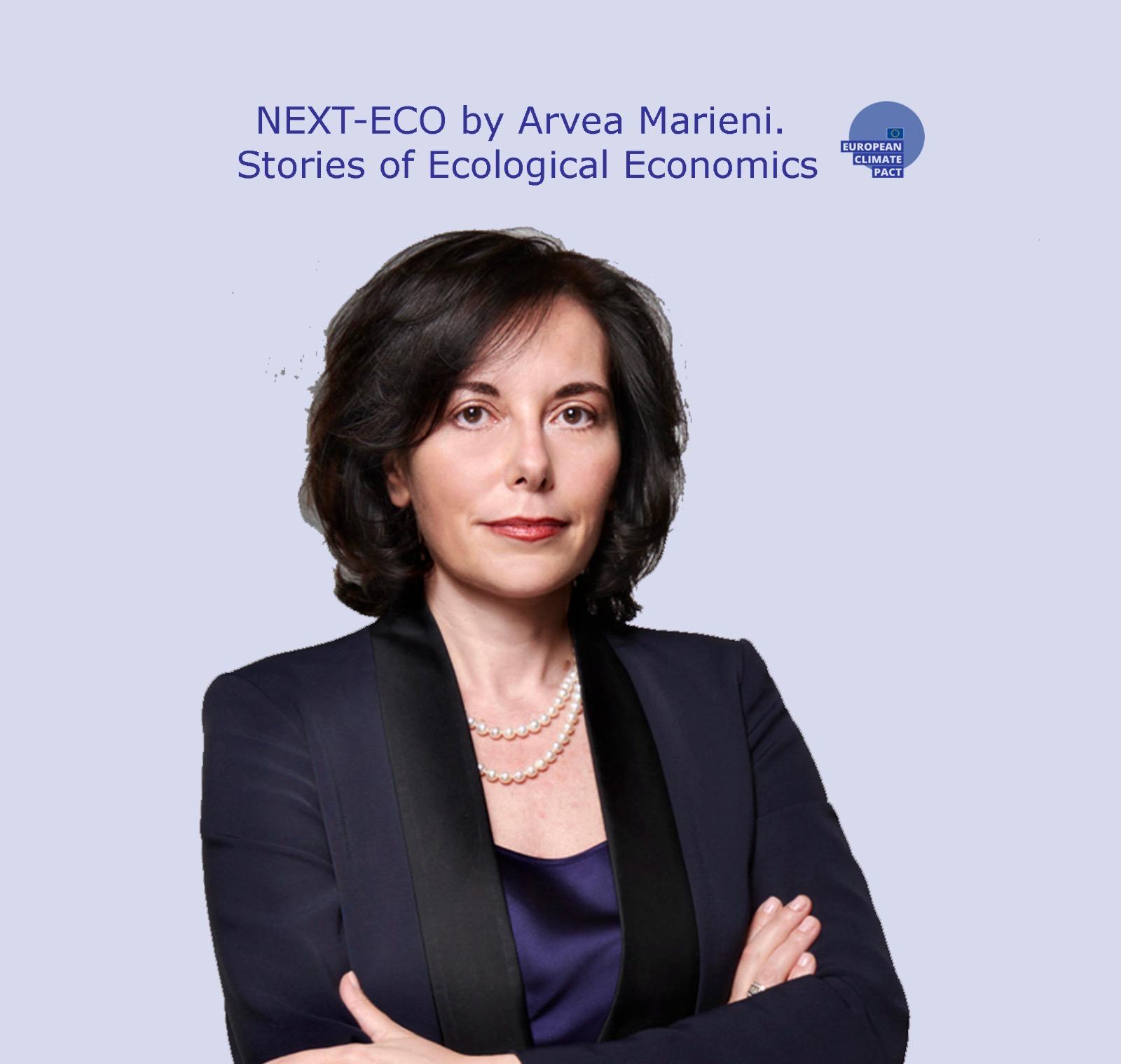
"In the light of the anniversaries and the symbolic place, and above all the expected outcome, I would call it the Cop of the passage to substance,' says Arvea Marieni, an expert at the European Innovation Council (EIC) and ambassador of the European Climate Pact: 'The series of anniversaries,' she points out, 'puts on paper the impasse in which the international community has been stuck for more than 30 years. Without a framework of shared rules, the situation can only escalate. The primary objective of the summit is to offer an opportunity to show that the international community can still show that it is united, recalling how the reality of ecological crises requires cooperation. So much so that the host, Brazilian President Lula da Silva, called it 'the Cop of Truth'.
Among the items on the agenda is the verification of the NDCs (national determined contributions), i.e. the commitments of each country in the reduction of greenhouse gas emissions. "Those presented so far for 2035 - are definitely insufficient: the current commitments point us towards an increase of 2.5-2.9 degrees Celsius. If we consider the policies already implemented, the trajectory is much higher than 3 degrees," well beyond the limit set by the Paris Agreement.
'There is an abysmal gap,' the expert explains, 'between the stated objectives and the concrete policies put in place. The MoUs will remain a dead letter without an industrial or market policy framework that is also economically beneficial for developing economies. The final declaration will express concern, but the real work lies elsewhere: in the harmonisation of policies starting with a global minimum carbon price.
Funds to Developing Countries
L’altro tema è la finanza climatica. Il vertice di Baku del 2024 si è concluso con l’accordo che prevede 300 miliardi di dollari entro il 2035 dai Paesi più “ricchi” a quelli in via di sviluppo. È stata inoltre istituita una roadmap di attività “da Baku a Berlém” con il compito di capire come arrivare a mobilitare 1.300 miliardi di dollari all’anno. «Mi aspetto passi avanti in questa direzione – spiega Marieni - ma non nei termini tradizionali del chi dona quanto. Il vero problema comune è il modello di business della transizione. Il progresso verrà non dal dibattito sterile sui 300 miliardi ma dal riconoscere che la finanza climatica oggi si costruisce attraverso l’architettura delle regole di mercato». Il vero nodo da sciogliere a Belém sarà il tentativo di sbloccare l’articolo 6 che è lo strumento per mobilitare i capitali privati. «Senza di esso – rileva Marieni – non raggiungeremo mai le somme necessarie. Ue e Cina hanno un interesse convergente a far nascere questo

