
The performance of Italian state museums in a book
Mondo Mostre set up a database aggregating the records of hundreds of institutes from 1996 to 2024


Key points
It was presented in the Sala Spadolini of the Ministry of Culture (MiC) "Il Libro Bianco dei Musei Statali Italiani"- Analisi delle performance 1996-2023", commissioned by Mondo Mostre in collaboration with the Department of Business Economics of the University of Roma Tre, by ProfessorsLaura di Pietro and Flaminia Musella. The book is the reworking in paper form of the Database of Italian State Museums in which data on state institutes (museums, archaeological parks, churches, gardens and monuments) from 1996 to 2024 are aggregated and made accessible, and which integrates in a single platform open to all (databasemusei.mondomostre.it) various indicators: on visitors and takings from ticketing, revenues from additional services such as bookshops and guided tours, royalties from concessionaires, and much more information that is published every year by the MiC's Statistics Office, with the Istat historical series (2008-2024) on tourism and population.
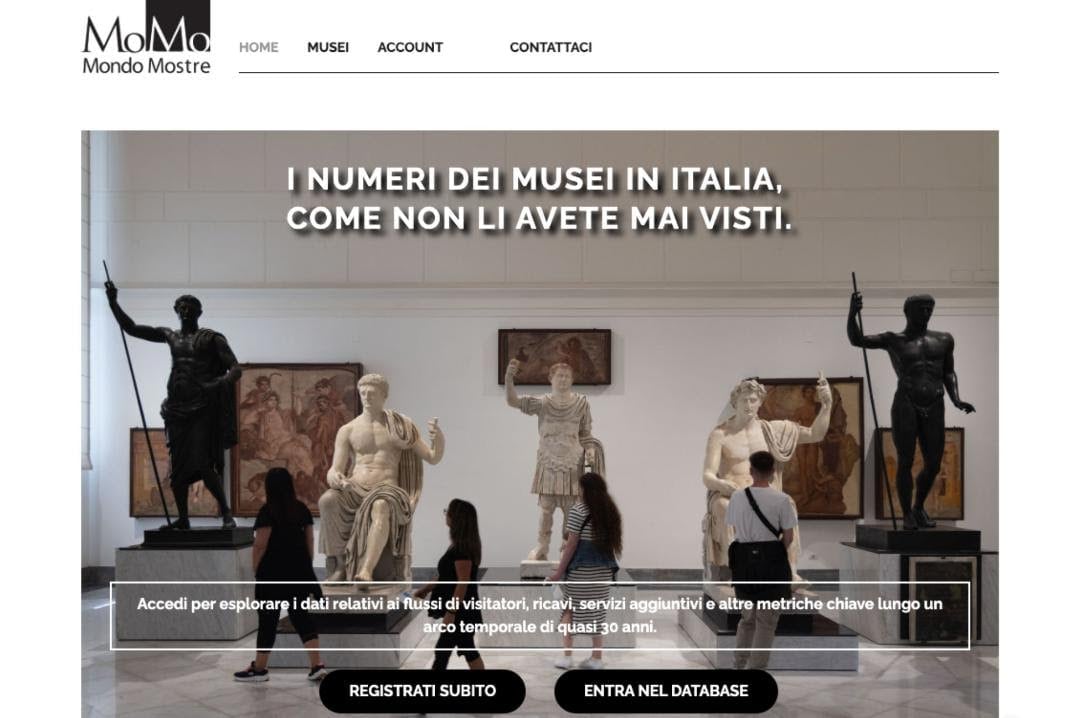
The book and even more so the database is an immense collection of data aggregating the surveys of hundreds of institutes (432 in 2023). In particular, it provides many comparative analyses, taking into account many variables and delving into precise historical moments such as the Covid period and the changes it entailed, the links between museums and tourism and what has resulted from the greater autonomy of the large museum districts, acquired 10 years ago.
Some data to represent a system
Among all these numbers, we would like to dwell on a few particularly significant ones, which convey both the size of the phenomenon and the extent of the changes taking place, and in some cases shine a light on the anomalies of the system.
- 60,850,091 - is the aggregate sum of visitors to all institutes (432) in 2024, more than double the 25,029,755 in 1996. Even more pronounced is the increase in paying visitors alone from 11,366,184 to 31,784,116 in almost 30 years. Paying visitors in 2024 were more than all visitors in 1996.
- 382 million euro - this is the aggregate revenue from ticketing in 2024, in 1996 it was just over 52 million euro (a figure derived from the conversion of the original figure into euro was obviously in lire), but the Louvre alone will invoice almost half of this from ticketing: 126 million euro in 2024.
- 12 euros - and some change, is the average cost of a ticket paid by visitors in 2024, almost three times as much as in '96. However, lower than inflation in general, which raised the cost of living by around 350 per cent during the period under review. In this regard, the database lacks the costs sustained by the various institutes in order to be able to compare them with the revenues and their evolution over the years.
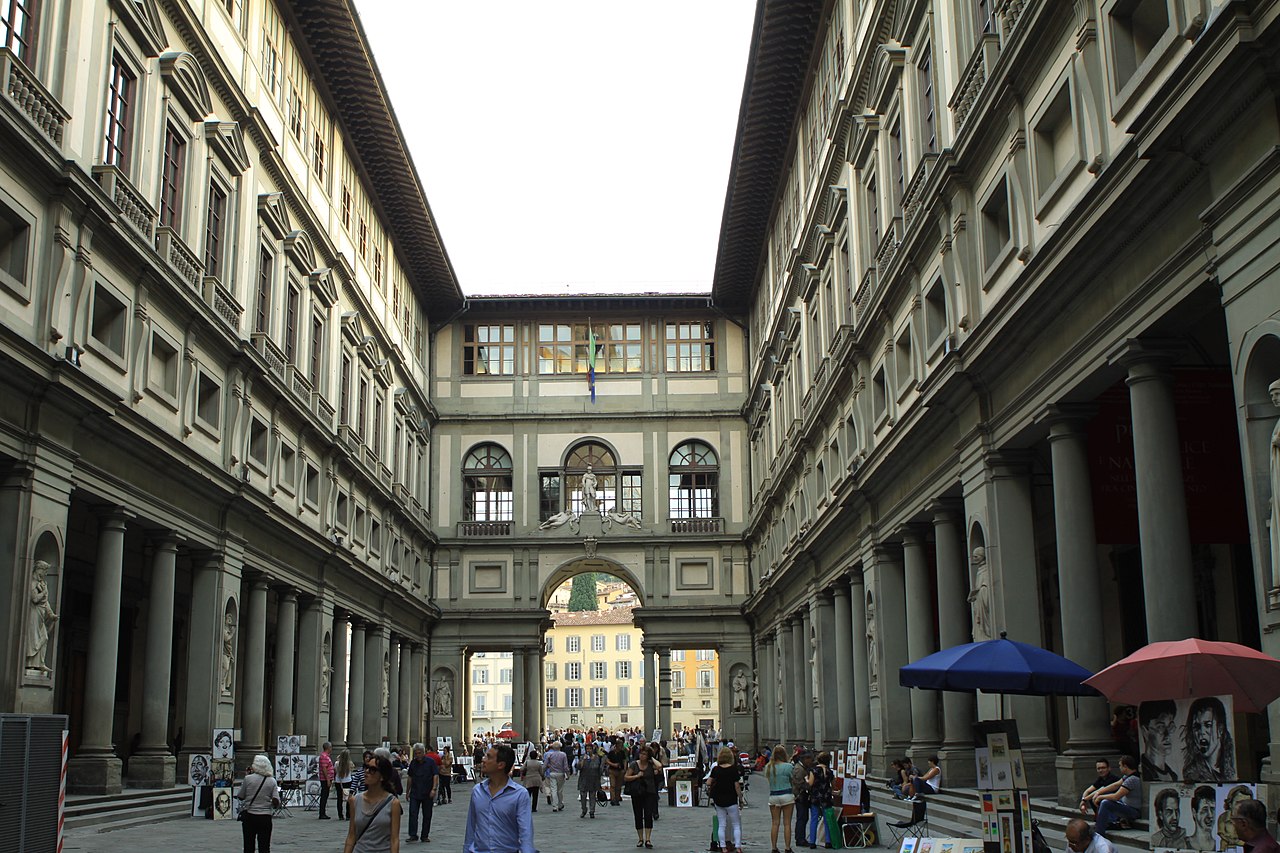
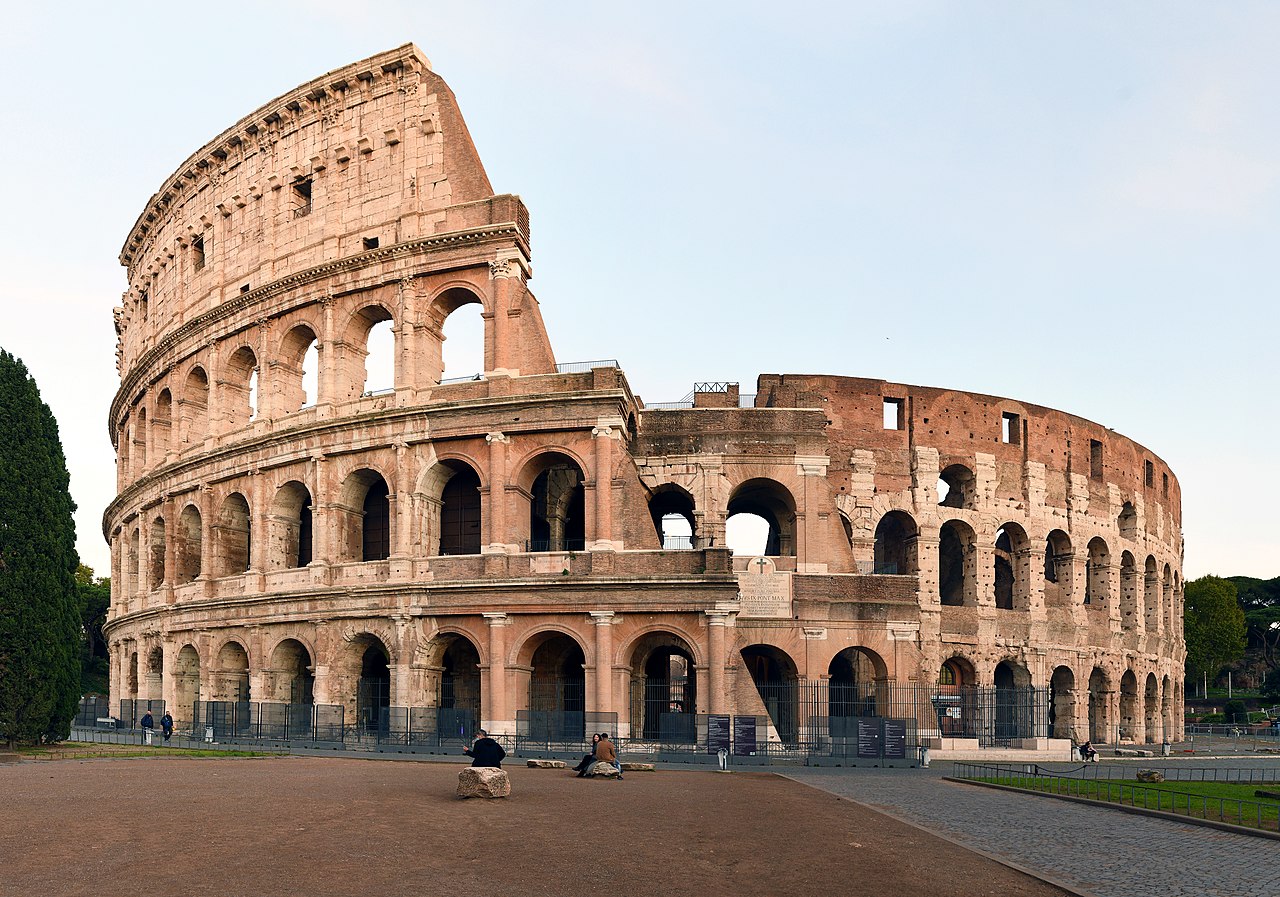
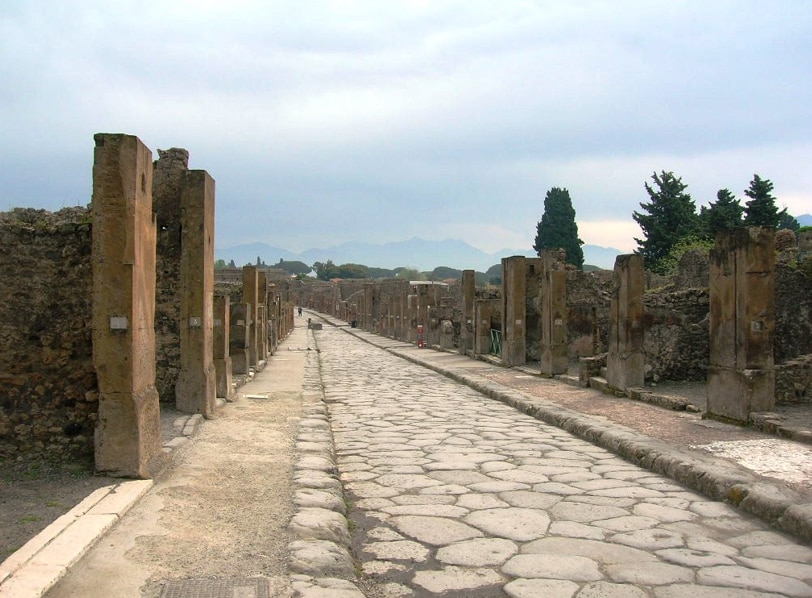
- 52.75 per cent - is the percentage of revenues from ticketing equal to 165,582,019 euro, in 2023, of the three main venues (Colosseum, Roman Forum and Palatine, Uffizi Galleries and Pompeii) compared to all the others. A monstrous figure if we consider that these three institutions are less than 1% of the total taken into consideration. A plastic representation that highlights inequalities within the cluster analysed and from which we deduce that the other 429 institutions, together, generated only 148 million euro in turnover, a figure that makes us question what to do for their valorisation and the cost/benefit ratio for the community.
- 61,956,506 euro - is the revenue from additional services (audio-guides, bookshops, guided tours, pre-sales, cafeterias and restaurants) in 2022, an anomalous figure compared to the above-mentioned as it is down from previous years: a good 7 million less than in the pre-covid period. But as there is no actualised figure to 2024 it is difficult to make forecasts.
- 6,176,874 euro - these are the royalties received by the state for the above-mentioned additional services, amounting to less than 10% again for the year 2022. These services are often contracted out to specialised concessionaires. The additional service that has the greatest impact on the percentage of revenue is the Bookshoop.
- 2023 - this was the first year after the pandemic in which paying visitors exceeded the number of paying visitors in 2019 by 10%.
- 10,302,191 - paying visitors to museums in Lazio, followed by Tuscany and Campania. Lombardy and Piedmont also rank above the one million visitors mark, 41,000 in Molise, infinitely fewer than the Uffizi alone, for example.
- 5 - the integrated restaurants in all Italian state institutions. Only five. The number in itself does not say much but it does say how there is great potential to expand the offer of additional services that can contribute both to increasing revenue and to increasing the attractiveness of museums.
Numbers don't lie, but you have to be able to interpret them honestly for them to lead to value creation, and this research project provides an important operational basis from which to make decisions.

