
In Bukhara, art is a dish that unites: the biennial that changes the rules
Diana Campbell's curatorial vision: the event is a platform for future generations

5' min read
5' min read
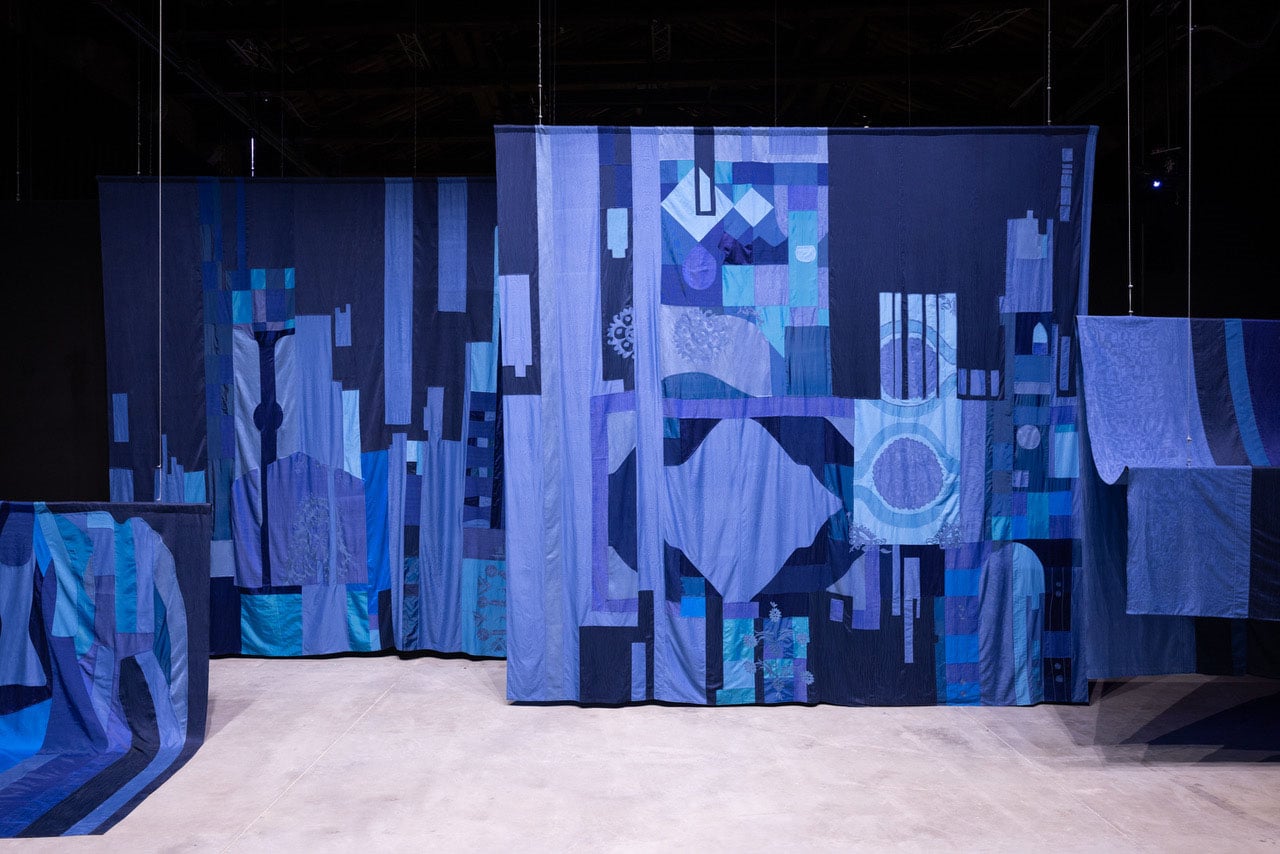
The Bukhara Biennial "(Recipes for Broken Hearts)" from 5 September to 20 November will present over 70 site-specific contemporary projects. Each work was conceived through collaboration between local artisans and artists from Uzbekistan, Central Asia and around the world and are made in Uzbekistan. With visual artworks, architecture-inspired installations, performances, poetry and culinary experiences, Diana Campbell's curatorial vision embraces Uzbekistan's recognition of craft and culinary acts as art forms, dismantling hierarchies through an expanded, multi-sensory journey. She tells us about it in this interview.
The title is very catchy can you explain its meaning?
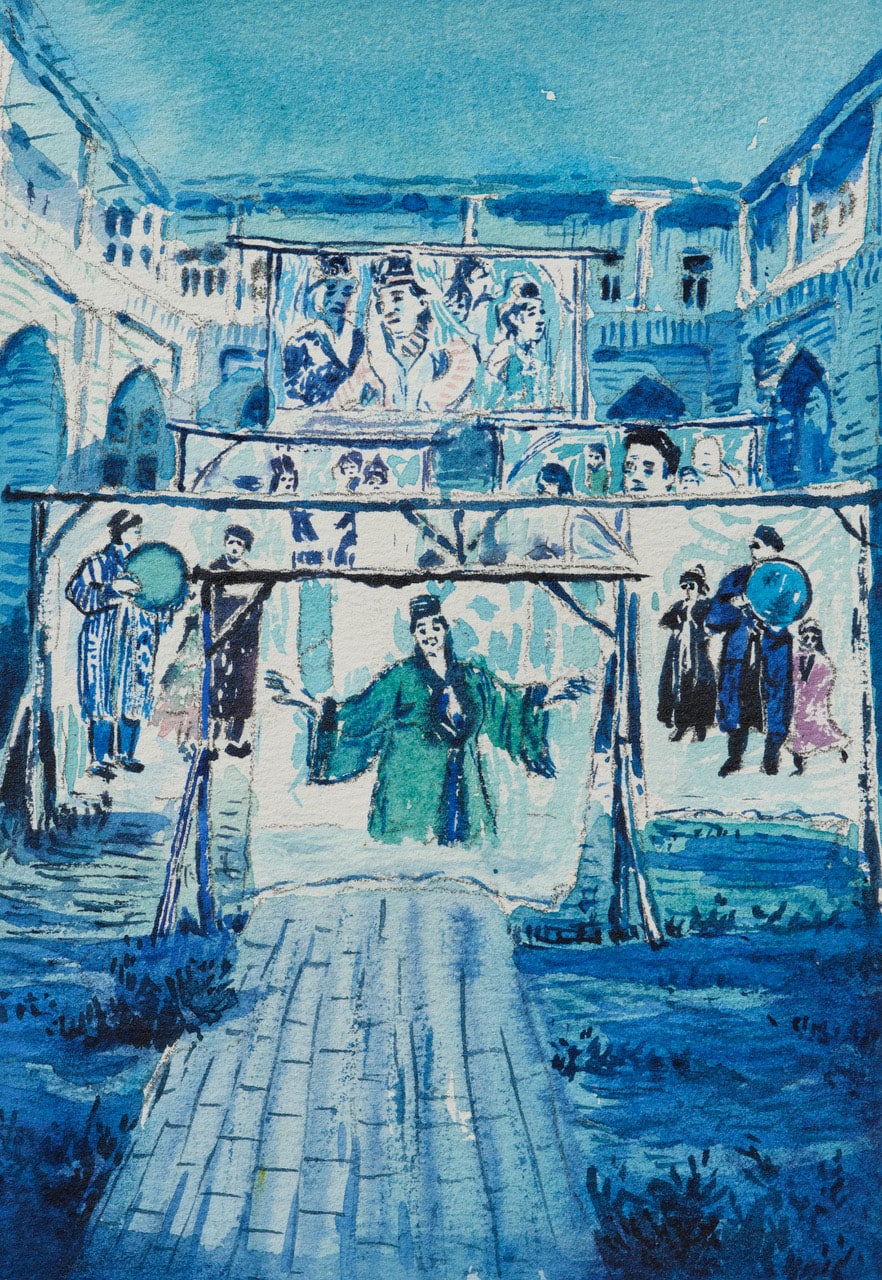
Doing research on Uzbekistan through food, a fundamental part of understanding any culture, I came across a legend that Ibn Sina, the Bukhara-born father of modern medicine, invented palov (plov, in Uzbek), the national rice dish of Uzbekistan, as a recipe to heal the broken heart of a prince who could not marry the daughter of an artisan. I was moved by the role of creativity in the healing of a broken heart and pushed me to do something about the fact that the woman in this story was reduced to her father's profession and neither of them was invited to eat palov. I wanted to do something to solve the problem of the way artists are presented while artisans are reduced to being described for what they do - potter, woodcarver, etc. - and I wanted to do something to solve the problem of the way artists are presented while artisans are reduced to being described for what they do.
How can a biennial help to change this situation? Taking a cue from Bukhara's role in the history of the global spice trade and exploring food as a means to build unity, how does food become an emotional medium in the practice of the artists present at the biennale?
Food is a journey through time. I mourn the loss of my grandmother, but I meet her every time I eat certain dishes. When I eat food from Guam, where she came from, I can see how Japanese, Spanish and Mexican influences enter everything we find local on this tiny island in Micronesia, three and a half hours from Japan. Forced migrations can leave people nostalgic for the taste of home. Then they can invent new recipes to remember where they came from, a bit like the Korean community in Uzbekistan, forcibly relocated by Stalin, who use Uzbek carrots like cabbage (which does not grow easily in Uzbekistan) in Korea. We are delighted to work with Korean monk chef Jeong Kwan to examine the role of food, spirituality and healing in relation to this and other stories. Time can be savoured through fermentation and slow cooking, just as time is a necessary ingredient to heal a broken heart.
The inaugural edition of the biennial,' the statement says, 'provides a platform for future generations', through which initiatives?
Uzbekistan is a very young country: over 60 per cent of the population is under 35 years old. We work with emerging artists from Uzbekistan, many of whom have never worked with a curator before, supporting them in making new work and taking them with us to India, Korea and other contexts to help them learn about other emerging art scenes, especially in Asia. We have an art history symposium curated by a young Uzbek PhD student at Harvard University, which is bringing together Uzbek and Central Asian historians to write their history. Most of the books I read about Central Asia are written by white men and we are taking this opportunity to increase the diversity of who is being heard, read and quoted.
How does the Bukhara Biennial stand out in the international calendar of art biennials?
It is not a biennial with a heavy opening: there are events every weekend and everyone is invited. It is a unique project in which a city is restored through an art event thanks to the vision of Gayane Umerova, commissioner and president of the Foundation for the Development of Art and Culture of Uzbekistan, and architect Wael al Awar, and artisans are enabled not to be reduced to the desires of bargain tourists, but to elevate their skills and ideas by collaborating with artists in a more equitable manner than is normally the case in the art world, which emphasises the artist with the ideas and erases the creators. We have planned the biennial in such a way that we hope most people will be able to come during the ten weeks it is open. The opening is on Friday evening and, thanks to the international art calendar, you can fly to Uzbekistan directly from Seoul if you are there for Frieze Seoul. The Istanbul Biennial will open in mid-September and you can fly to Bukhara directly from Istanbul. We have no secret vernissage days: this is a public event that animates the public space of Bukhara and we look forward to welcoming everyone.

