
Maersk picks up the pace in Copenhagen, beats expectations for the quarter and raises its guidance once again
Thanks to second-quarter operating profit exceeding expectations and the upward revision, for the second time this year, of full-year profit forecasts

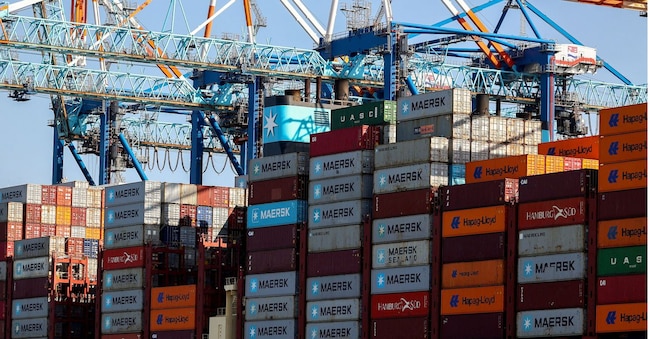
(Il Sole 24 Ore Radiocor) - Maersk is flying high on the Copenhagen Stock Exchange. Shares in the Danish shipping group rose by more than 4 points, posting one of the best performances on the Stoxx Europe 600, thanks to second-quarter operating profit exceeding expectations and an upward revision – for the second time this year – of full-year profit forecasts.
In the April–June period, Maersk, the world’s second-largest container shipping company behind MSC, reported an EBITDA of $3 billion, beating the consensus forecast of $2.12 billion and up from $2.30 billion in the previous year. EBIT rose to $1.6 billion, almost double the $845 million recorded in the same period of 2025. Revenue of $15.8 billion was up by 20 per cent.
Growth was driven primarily by the maritime division (Ocean), which generated a 23 per cent increase in revenue to 10.5 billion and a significant improvement in profits (EBIT up to 935 million from 229 million). The Logistics & Services and Terminals divisions also posted solid growth. Ship cargo volumes rose by 4.1 per cent, thanks to Asian exports, whilst the average full-load freight rate increased by 22 per cent. As industry operators point out, Maersk – like other major players in the sector – has benefited from the turbulence in global trade that has driven up freight rates, including the conflict between the United States and Iran, which is severely disrupting traffic through the Strait of Hormuz, and the Houthi attacks in the Red Sea.
"Global demand for transport and logistics remained strong throughout the quarter," explained the Danish company. “Although traffic flows through the Strait of Hormuz were disrupted, cargo destined for the Gulf was rerouted to alternative ports and via inland transport routes, with the affected maritime capacity quickly reallocated to other growing trade routes,” Maersk clarified, adding that “growth proved particularly strong for imports to Africa, North America and Latin America, supported by the continued momentum of exports from the Far East, particularly from China”.
Based on an estimated growth in the volume of the global container market of around 4 per cent for 2026, taking into account the performance in the second quarter and the “improved visibility for the rest of the year”, the group now forecasts underlying EBITDA of between $10.5 billion and $12.5 billion (estimated at $8–10 billion on 29 June and at $4.5–7 billion on 7 May), underlying EBIT of between $4.5 and $6.5 billion (in June, between $2 and $4 billion) and free cash flow of more than $0 (previously at least -$1.5 billion).

