
In Emilia-Romagna, schools will be open from 31 August to 14 September. A project to improve educational provision and support families
The Region has allocated 3 million euros to launch the pilot scheme in the municipalities within the ATUSS areas. The number of applications to take part exceeded expectations

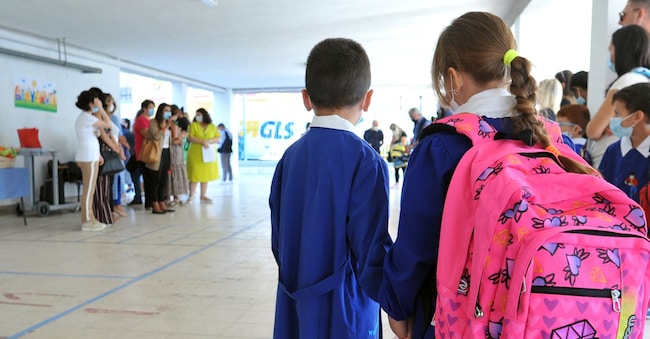
(Il Sole 24 Ore Radiocor) – In Emilia-Romagna, there is a new initiative for schools and families: from this academic year, an educational pilot scheme is being launched, designed to help families balance work and family life, offer pupils an education tailored to their needs and, more generally, meet the changing needs of local communities. From 31 August to 14 September – that is, until the official start of the school year, scheduled for 15 September in Emilia-Romagna – primary schools will be able to open thanks to projects organised by local councils and supported by the regional government, which is providing €3 million for this pilot phase.
The project involves a range of out-of-school services, including educational, sporting and cultural activities, creative workshops and opportunities for socialising for pupils and their families. Participating local authorities will, however, be able to tailor the programme to suit their own needs and circumstances – such as the availability of school facilities and compatibility with other educational provision – whilst making the most of local networks, associations, and sporting and cultural organisations. It is therefore not an early-start school, but ‘a community-based educational experience’, explains the Emilia-Romagna Region in a statement, which aims to make the scheme a permanent feature across the entire region from the 2027–2028 school year onwards.
42 local authorities involved and a surge in applications
The first phase of the pilot scheme will initially involve 14 territories within the ATUSS areas – the Urban Transformation Agendas for Sustainable Development, which serve as a tool for achieving the objectives of the integrated programming of the 2021–2027 European Funds – namely 42 municipalities and associations of municipalities. These include Bologna, Ferrara, Forlì, Modena, Parma, Piacenza, Ravenna, Reggio Emilia, Rimini, the municipalities of Cesena, Mercato Saraceno, Sarsina, Montiano, Nuovo Circondario Imolese, the Union of Municipalities of Bassa Romagna, the Union of Romagna Faentina and the Union of Terre d’Argine. This represents a potential total of around 100,000 children.
Right from the start, the pilot scheme met with widespread support from families, with numerous applications submitted within the first few days of enrolment opening, confirming the interest in new educational opportunities in the run-up to the start of the school year. In some cities, notably Bologna, there was, however, a veritable boom in applications, with the service being requested by over 900 parents on the very first day of enrolment alone (with 2,500 places available across a total of 22 participating schools).
The Emilia-Romagna Region’s commitment
Following the support provided through ‘Scuole aperte’ to engage lower secondary school pupils in extracurricular activities in the afternoons, this initiative represents a further step in the educational strategy launched across the region. The Regional Executive’s aim is to prioritise the right to education and the wellbeing of families, by envisaging a school system that is more attuned to the real needs of individuals and communities. Schools will, in fact, become spaces open to the community, capable of welcoming young children at a time when such services and opportunities are often in short supply. Thanks to a high-quality educational provision, boys and girls will be guided towards the new school year in an atmosphere of connection, discovery and wellbeing. Finally, parents will receive practical support in balancing work and family life.


