
EU Law on Nature Restoration: Goals and Impacts of the Green Deal
The EU Nature Restoration Act came into force, setting ambitious targets for the restoration of degraded ecosystems by 2050. The legislation also requires the submission of national plans within two years to achieve these goals
2' min read
Key points
2' min read
EU legislation to protect biodiversity arrives: the Nature Restoration Act, one of the pillars of the Green Deal, came into force on 18 August. A controversial reform, unblocked after months of political stalemate and still seven of the EU-27 against the final vote (including Italy). Even now the regulation is contested by agricultural organisations, however watered down the final draft.
Restoration of degraded areas
.It is, however, a highly innovative reform, because for the first time it not only provides for the protection of natural areas, but also aims to 'restore' those that have already been degraded, with a three-step roadmap: 30% of each ecosystem will have to be restored by 2030, 60% by 2040 and 90% by 2050. The legislation will also bring the EU into line with the international Kunming-Montreal commitments. The European Commission's proposal two years ago proposed allocating 10 per cent of agricultural land for biodiversity measures such as the planting of hedges, trees, ditches, walls or small ponds: a guideline, but not in the approved text in the end. The openness to farmers' protests even led to the relaxation of the CAP requirement to allocate 4% of land to non-productive features, making it voluntary.
Prairie butterflies
.In Nature Restoration, wetland restoration for farmers and private landowners has also become voluntary (states will have to make it financially attractive). The obligations - for states and not for individual farmers - concern the general improvement of biodiversity, measured by three factors such as the presence of prairie butterflies; the stock of organic carbon in cultivated soils; and the share of agricultural land with 'high diversity' landscape characteristics. Suspensions are also foreseen in the event of a crisis.
The timing
.At the heart of the individual countries' commitments will be the national recovery plans that will now have to be submitted to the European Commission within two years. Initially as a draft, to be finalised and then published within six months of receiving any comments from the EU executive. The plans will contain the measures envisaged with respect to the 2030, 2040 and 2050 milestones, to meet the obligations and objectives of the law adapted to the national context, including timeframes, indications of financial resources and expected benefits, in particular for climate change adaptation and mitigation. The European Environment Agency will then prepare regular technical reports on progress towards the targets. States will have to take restoration measures in at least 20 per cent of the EU's land areas and 20 per cent of its marine areas by 2030. By 2050, such measures should be in place for all ecosystems in need of restoration.
The commitment to plant three billion additional trees by 2030
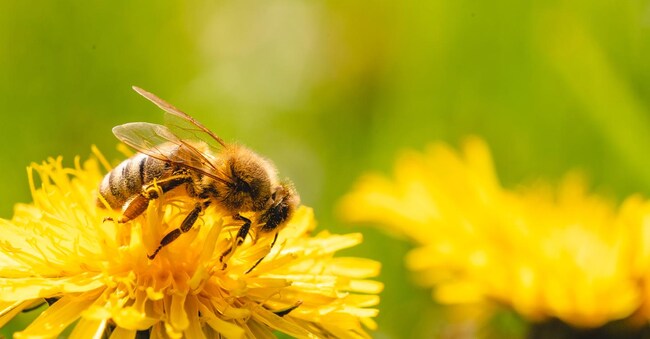
.The goal is to restore at least 25,000 km of free-flowing rivers by 2030, reverse the decline in pollinating insect populations and improve their diversity, and improve biodiversity in agricultural and forest ecosystems, contributing to the commitment to plant at least three billion additional trees by 2030 at EU level.

