
More and more people in Italia are choosing to rent, but there is a lack of supply and rents are soaring
The market touches 1.33 million new contracts and 50 billion rents. Milan triples student contracts in two years, Bologna and Genoa drive the recovery of the large centres
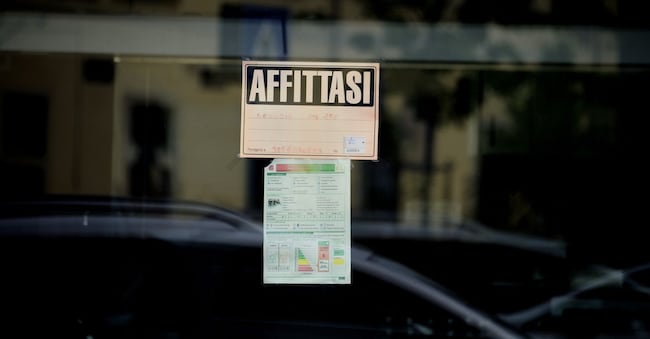
The rental market in Italia is undergoing a phase of profound transformation, characterised by rents rising faster than sales prices, the growth of temporary demand and the presence of millions of unused homes. Soaring house prices in large urban centres are helping to transform tenants' habits, making renting a compulsory choice for an increasing number of households. What was historically considered a temporary or emergency solution is thus evolving into a real industrial segment - as has already happened in other European countries - capable of generating robust economic performance despite a still uncertain regulatory environment.
The numbers of rentals in Italia
According to the report by Scenari Immobiliari and Abitare Co. "La casa in locazione" presented in Milan, 2025 marked a historical record with over 1.33 million new contracts stipulated, bringing the total amount of rents at national level to the figure of 50 billion euro per year. However, in the face of this dynamism, the size of the offer remains extremely limited. There are around eight million households currently renting in Italy, but the market suffers from fragmented and unprofessional management. In this scenario, short rentals cover a share of about 800 thousand flats, which - although exerting significant pressure on the availability of houses in urban centres with the highest housing tension - represents a fairly minor slice of the rental segment.
The lack of a structured offer
The lack of a modern and professionally managed rental offer limits the competitiveness of Italian cities on the European scene, where rented housing is now considered a key infrastructure for the development of the real estate market. However, the market is changing: in Milan almost 40% of households now live in rented accommodation, while in Turin the share of tenants is 35%. The segment is responding with a transformation of contracts: the ordinary long-term model has fallen below the threshold of 30% of new stipulations, giving way to more flexible and facilitated formulas. Francesca Zirnstein, general director of Scenari Immobiliari, highlighted the need to overcome the emergency logic in order to attract private capital and develop a sustainable industrial chain. In order to evolve a market that remains among the smallest in Europe in terms of investment volumes, we need public-private partnerships capable of promoting build-to-rent and expanding the quality offer for all social classes.
Rents rising in cities
In terms of economic values, the pressure of demand has pushed rents to new records in the main urban centres. Milan confirmed its position as the most expensive city with an average of 200 euro per square metre per year, followed by Rome, which is firmly above 155 euro per square metre. Bologna and Naples show speculative growth, reaching respectively EUR 140 and EUR 120 per square metre per year, while Genoa marked the most significant leap, exceeding EUR 115 for the first time. On a national level, the average monthly rent reached 655 euro.
The figures - up by 5.15 per cent in 2025 - are set to rise further in 2026: forecasts indicate a rise of more than 4 per cent, which will bring the national average value to over 95 euro per square metre per year. A picture that risks - in the absence of targeted public policies - making the current housing emergency even worse.
Brand connect


Newsletter RealEstate+
La newsletter premium dedicata al mondo del mercato immobiliare con inchieste esclusive, notizie, analisi ed approfondimenti
Abbonati