In the jewellery of Le Sibille, the art of Roman micromosaic becomes philosophy
In the atelier founded 35 years ago by three women entrepreneurs, creations are created in which the ancient technique born in the Vatican gives shape to a peculiar vision of the feminine and the universe. Capable of delighting customers all over the world

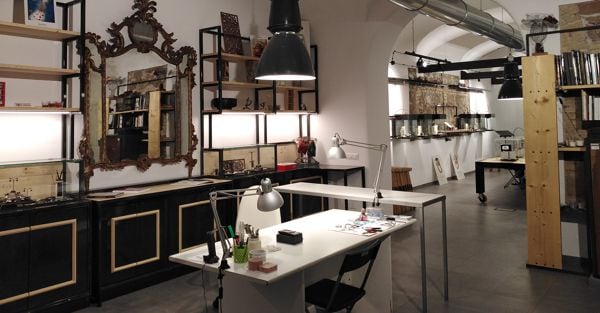
From the traffic of Rome's Prati district, down the stairs outside a sumptuous building where wisteria climbs among stuccoes of women's faces, there is the entrance to a contemporary cavern: it leads into the atelier of Le Sibille, a micromosaic jewellery workshop that has been bringing its precious creations, concentrations of history, culture and high craftsmanship to the world for 35 years.
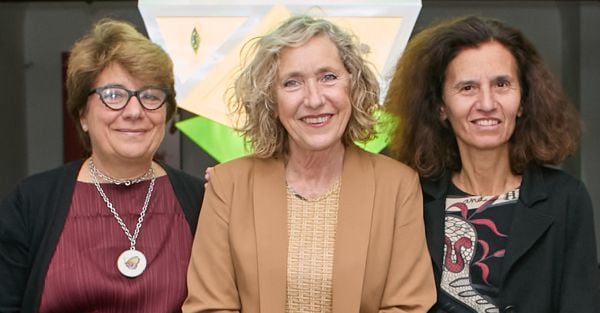
"We chose this name because the Sibyls are the emanation of feminine energy, and we are particularly inspired by the Cumana Sibyl," explains Francesca Neri Serneri: she is the founder and creative director of the atelier, which she runs together with Camilla Bronzini, who is involved in production and operational management, and Antonella Perugini, who is in charge of administration. "We met as girls in the School of Ornamental Arts in Via di San Giacomo (a historic address for the training of goldsmiths in the Capital, ndr), and from there over time, attending trade fairs all over the world and with a very precise philosophy, we have managed to become a reality that is appreciated all over the world".
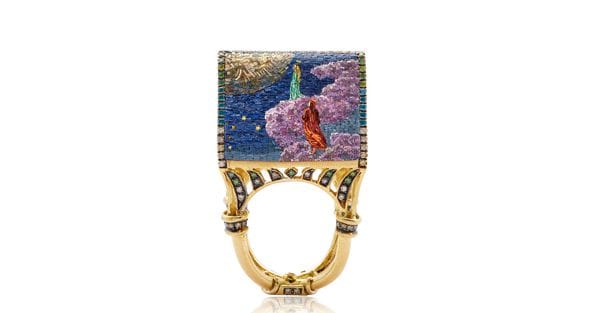
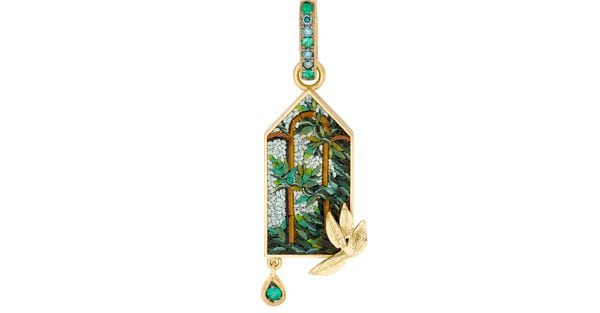
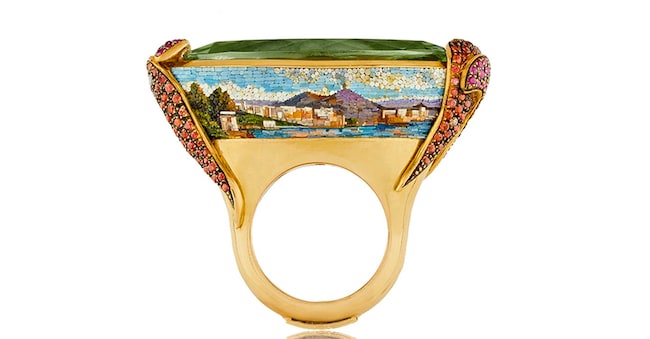
To give life to rings, earrings, brooches, pendants, pieces of high jewellery that require weeks of work and more accessible bijoux, are the tiny (in the order of fractions of a millimetre) filaments of glass paste, worked, cut and set to form, in fact, minute mosaics: "It is an art founded in the Vatican, not far from here, in the second half of the 18th century, to protect the frescoes of the basilica that were deteriorating," explains Neri Serneri. Then, it became more democratic, let's say, when the Castellani family of goldsmiths, whose heirs we are said to be, began to offer micro-mosaic souvenirs to tourists who came to Rome in the 19th century'.
What makes the difference with the past is, precisely, Le Sibille's philosophy: "For us, a piece of jewellery is an alchemic creation, it encloses the creative power of the elements, starting with fire, but also metal. With these jewels, we want to propose not only something beautiful and precious, but a sort of talisman, creations of human ingenuity, which is capable of transforming the same elements into something else, into art,' the entrepreneur notes.
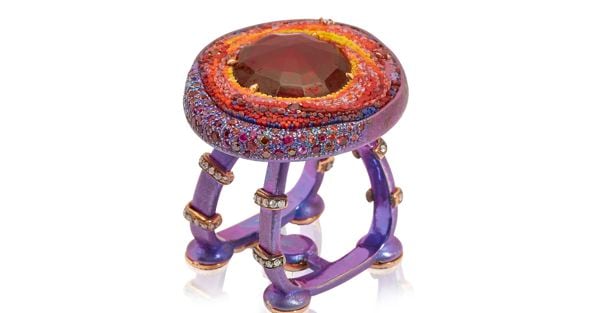
Thus, the relationship with the creative universe is recounted in the Galaxies collection, in which the colours of the micro-mosaics evoke those of the cosmos and culminate in a planet brooch where micro tesserae and precious stones such as Mexican fire opal, sapphires, diamonds and rubies form a lunar-textured surface. The generating power of nature, linked to the feminine, is enclosed in the rings with bees, small frogs, shoots of cherry branches, the sacred symbols of the Egyptian scarab and the lotus flower of Buddhism. The creative peculiarity of the human being is also exalted in the homage to his works: the pendant with the Holy Door of St. Peter's Basilica, a unique piece made for the Jubilee 2025, the ring with Michelangelo's dome from the same church, the heart of Catholicism, and the one with St. Mark's Lion. There is the homage to medieval scriptoria with rings that recall the shape of their tables and bear miniature images of the Divine Comedy.