In Oslo, the vindication of the female painters who shattered the male monopoly on art
The outstanding exhibition “W̶o̶m̶a̶n̶ Painter”, on display at the Nasjonalmuseet until 7 February, will move to the Galleria Borghese in Rome from 15 March to 30 May

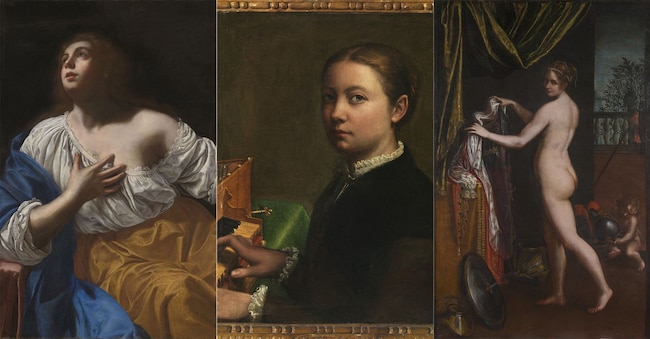
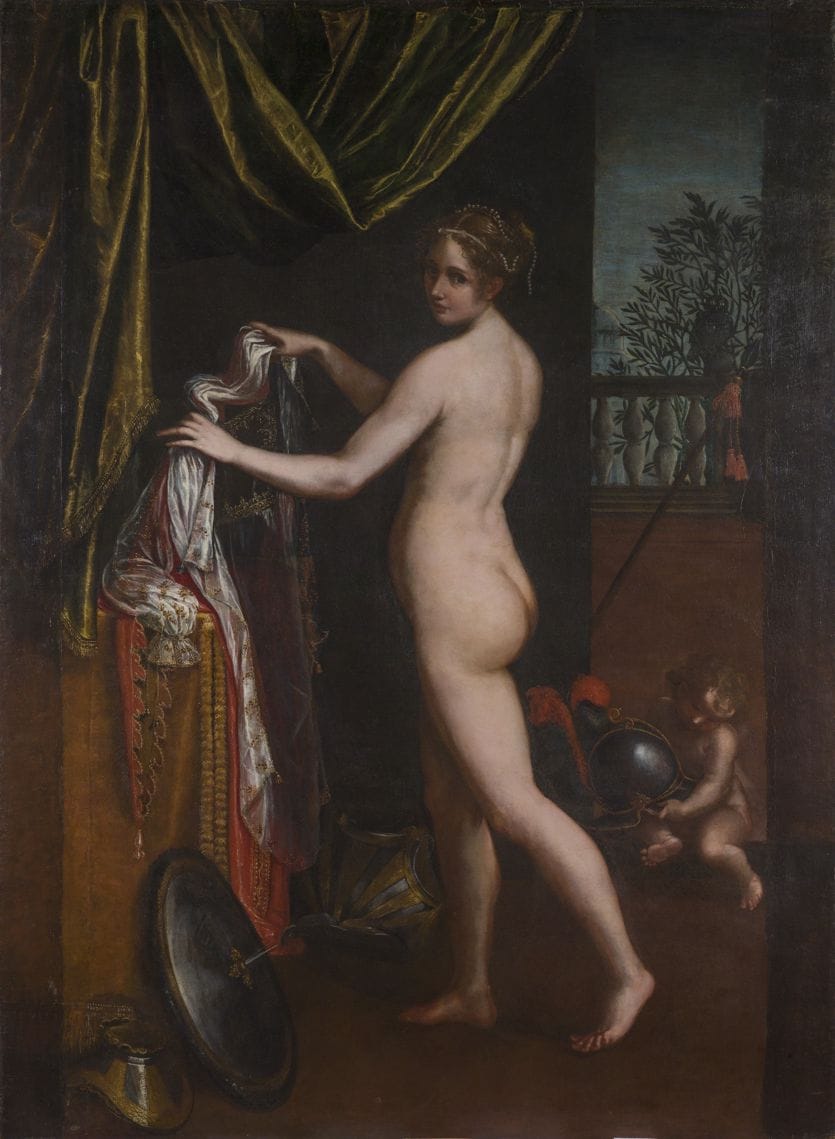
To challenge long-held clichés and, above all, to redefine the role of women artists between 1550 and 1650; all through refined analysis and philological precision, starting with such illustrious names as Artemisia Gentileschi, Sofonisba Anguissola, Lavinia Fontana, Judith Leyster, Margaretha de Heer and Clara Peeters; and, in so doing, to break down the gilded cage that for centuries has relegated their masterpieces to the ‘minor’ genres.
Oslo National Museum
The National Museum in Oslo has undertaken a challenging and thoroughly successful endeavour: in collaboration with the Galleria Borghese, it has shown commendable boldness in hosting a major exhibition curated by Cynthia Osiecki and Ellen Lerberg, (The catalogue Becoming Painters, Women’s Education and Practice in Early Modern Europe, edited by Patrizia Cavazzini and Cynthia Osiecki, is also unmissable) which brings together 51 masterpieces by 19 female artists.
“W̶o̶m̶a̶n̶ Painter”, Oslo, Nasjonalmuseet
Far from being merely an exercise in gender history, the exhibition “W̶o̶m̶a̶n̶ Painter” (Oslo, Nasjonalmuseet, until 7 February 2027).
It provides a comprehensive overview of how these artists’ careers have unfolded, through tried-and-tested marketing strategies, and how their upbringing – whilst often favoured by the ‘artistic’ environment of their family background or by affluent circumstances – subsequently led them down the most arduous paths towards professional and personal fulfilment as these talented representatives of Italian and Dutch art, and thus of European art.
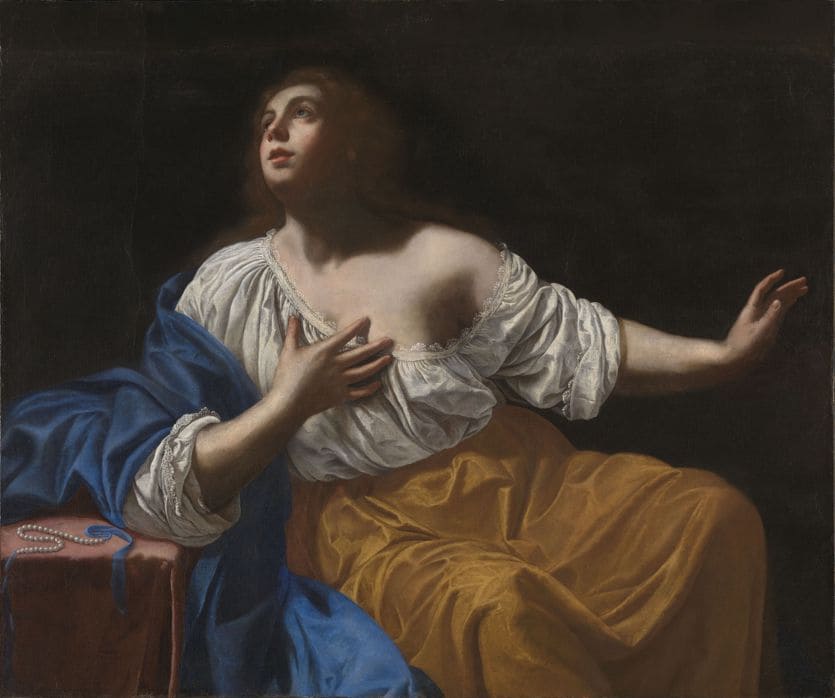
Artemisia Gentileschi, The Penitent Mary Magdalene, c. 1640
This decision by the Norwegian institution, on closer inspection, has its roots in its own collections, notably the Penitent Mary Magdalene, which was entered into the catalogue in 1866 as a gift from Miss B. Cappelen and initially attributed to an anonymous artist of the Caravaggio school, then to Antiveduto Gramatica; it was not until 1999 that the painting was included in Raymond Ward Bissell’s catalogue raisonné and finally attributed to Artemisia Gentileschi (1593–1654). The identification as the ‘Penitent Mary Magdalene’ was also long disputed, due to a casket which, following an earlier restoration, had been left in her left hand; a recent restoration has shown this to be merely an addition intended to conceal a tear in the canvas. The painting is, exceptionally, being displayed here alongside the ‘Mary Magdalene’ from 1614/1615 on loan from the Uffizi, which will not, however, be included in the exhibition’s tour to Rome.