
In Paris, buying into Air Liquide; the Elliott fund acquires a stake
The group’s profitability is under scrutiny. A comparison with Linde

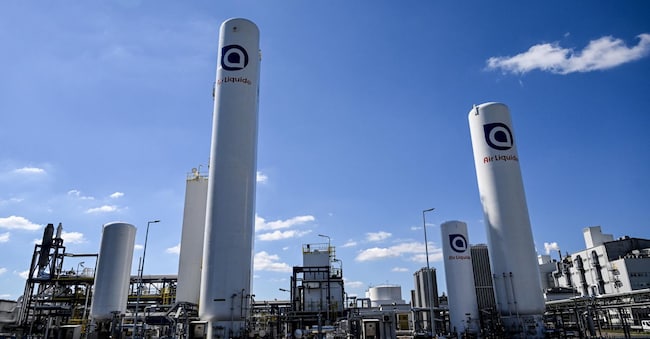
(Il Sole 24 Ore Radiocor) - Air Liquide shares were bought in Paris following news that the US investment fund Elliott Investment Management had acquired a stake in the group, and is now reportedly pushing the French multinational to improve its margins. The share price of the company – one of the leading suppliers of gas to heavy industry – reached its highest level since late July, closing up 1.9 per cent. It should be noted that the share price has risen by more than 20 per cent since the start of the year, but the Elliott fund, renowned for its ‘activist’ approach, is clearly aiming for stronger performance and greater operational efficiency, particularly in light of the improvements made in this regard by the German company Linde.
According to sources close to the matter, as reported by the Financial Times, New York-based Elliott is said to have already entered into discussions with Air Liquide in recent weeks after acquiring a stake in the company. At present, however, the British newspaper states, neither the exact size of the stake nor Elliott’s demands are known. In any case, Air Liquide – which, with a market capitalisation of €108 billion, is France’s eighth-largest company – would appear to be Elliott’s most significant target on the Euronext stock exchange. Not only that, but given the global energy context – in which gas plays a particularly central role both in supporting the clean energy transition without causing too much damage to industry and in light of the gradual halt to all imports from Russia and the impasse in the Strait of Hormuz – it is clear that Air Liquide holds particular strategic importance for the whole of Europe.
It is important to note, however – and this is perhaps what prompted Elliott to take action – that the French group’s margins have for some time shown a significant gap in margins compared with its main German competitor, Linde, which reached 225 million following – according to some observers – a different strategic path to that of Air Liquide. This path saw the German company, following a merger agreement with the US firm Praxair eight years ago, use the deal as a springboard to reorganise and optimise its operations.
Against this backdrop, analysts predict that the margin gap between the two competitors will remain constant until 2030. Indeed, as the Financial Times points out, Air Liquide has never launched a large-scale share buyback programme, returning just €14 billion to investors over the last decade. During the same period, Linde returned €45 billion to investors. Air Liquide also has a division dedicated to electronics, which is the world’s leading supplier of natural gases used in the production of artificial intelligence chips, generating 10 per cent of the group’s revenue.
Ahead of Air Liquide’s Capital Markets Day scheduled for October, analysts have called for further information and targets on how this business unit might benefit from the influx of liquidity resulting from the artificial intelligence boom; according to Bank of America’s projections, this segment could grow by between 15 and 20 per cent a year.


