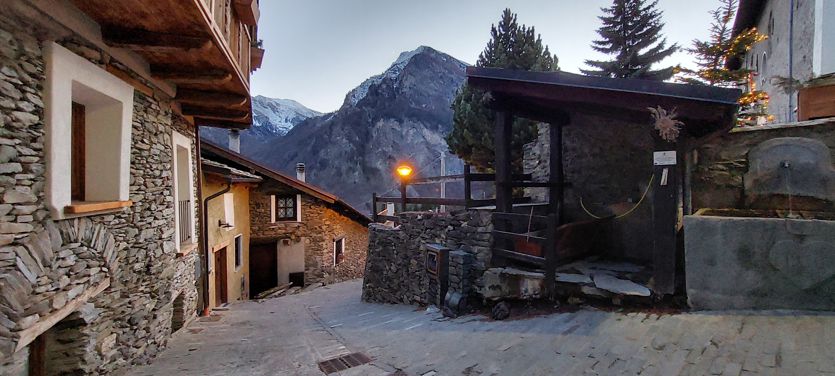
In Piedmont amidst pools of water, medieval hilltop villages and underground wine cellars
The soul of the region pulsates in a capillary network of small towns with a 'slow' hospitality model in which protection of the Unesco landscape and an innovative vision of hospitality go hand in hand

Key points
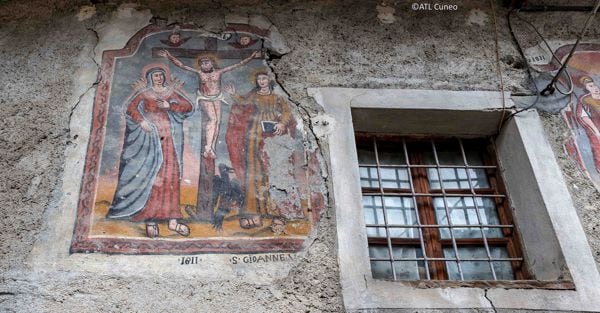
Piedmont is not just the Savoy majesty of Turin or the rigour of the great ski resorts. The true soul of the region pulsates in a capillary network of villages that, today more than ever, represent a model of 'slow' hospitality, capable of combining the protection of the Unesco landscape with an innovative vision of hospitality. A trip to these lands means travelling through history: from the traces of Hannibal's passage through the Cuneo valleys to the artistic avant-gardes that colour the Langa vineyards. These are not just tourist destinations, but real treasure troves of experiences. You can walk among the murals of Usseaux, lose yourself in the aroma of chocolate in Borgo San Dalmazzo or discover the underground charm of the 'infernot' in Monferrato. On this journey through Piedmont's provinces, you will discover ancient traditions, rare flavours such as 'violet cheese' and Unesco heritage landscapes, where every stone and every courtyard has a thousand-year-old story to tell.
Cuneo: where history meets taste
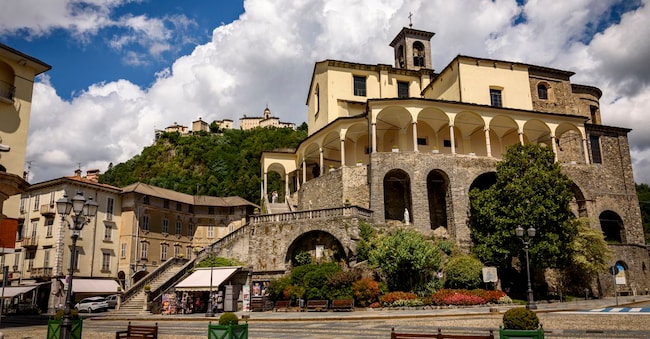
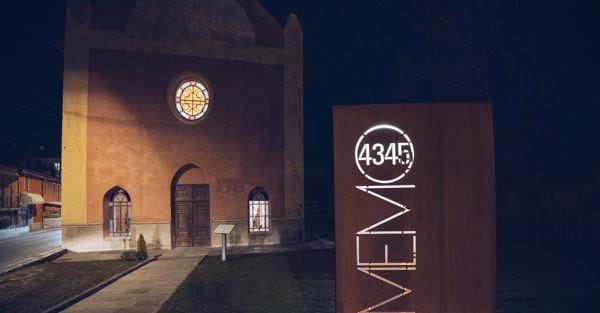
The journey begins in the Varaita Valley, where legend has it that Hannibal crossed the Alps with his elephants. Today that myth lives again in twelve stages to be covered on foot or by bicycle, immersing oneself in Occitan culture. Not far away, the contrast between eras becomes fascinating: at Bene Vagienna, a must for archaeology lovers, one breathes in the Roman heritage of ancient Augusta Bagiennorum, celebrated in the summer by the classical culture festival 'Le Ferie di Augusto'. Of its ancient splendour, it has preserved the remains of the theatre, the early Christian basilica and the aqueduct. In Borgo San Dalmazzo, on the other hand, it is chocolate that becomes culture. As well as excelling in the art of cocoa with the event 'Un Borgo di Cioccolato', the town is teeming with elegant artisanal pastry shops for tasting various delicacies. The town also offers food for deep reflection with MEMO4345, a multimedia path dedicated to the memory of the Shoah in Europe.
The Enchantment of Water: from the Lakes to Valsesia
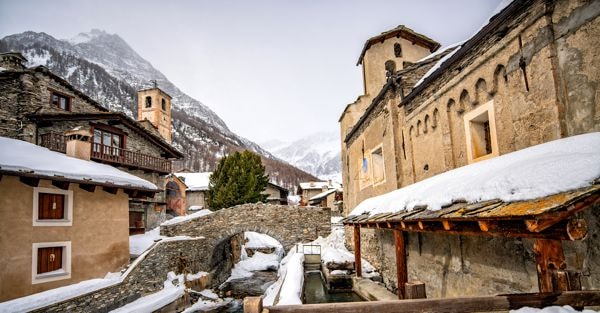
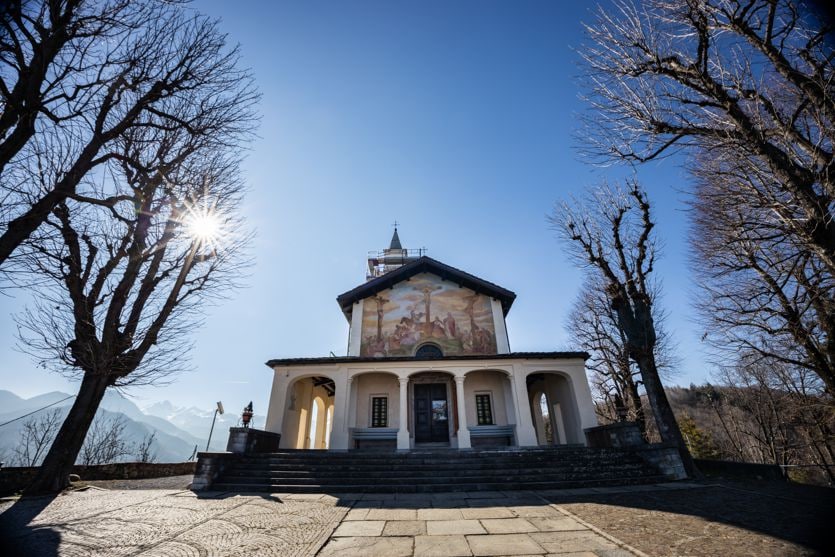
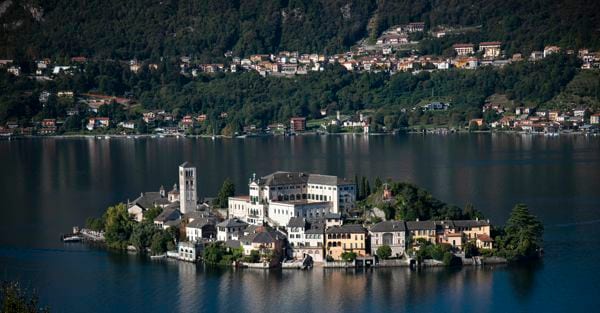
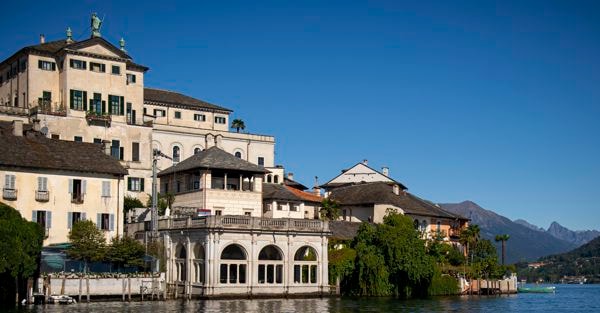
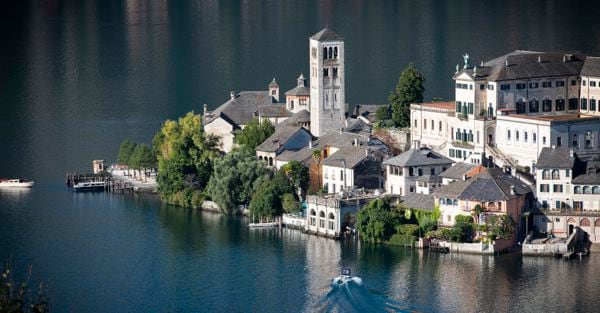
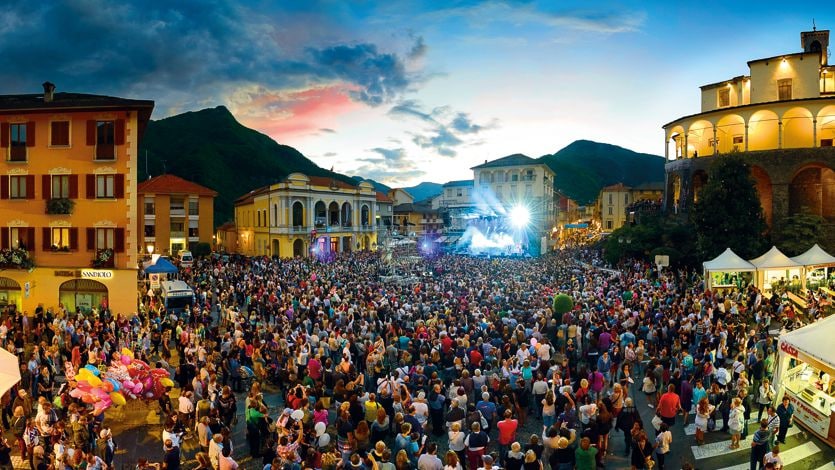
Moving northwards, the Lake District offers romantic atmospheres, with the grandeur of the mountains and the possibility of outdoor activities and wellness combined with an excellent food and wine experience. Vogogna, with its Visconti Castle, is the gateway to the wild Val Grande. Its medieval historical and architectural heritage also includes the Palazzo Pretorio, all immersed in a unique natural setting. An Orange Flag of the Italian Touring Club, the village is home to the Val Grande National Park, the largest wilderness area in Italy (15,000 hectares), a paradise for trips, excursions and outdoor holidays. Orta San Giulio (also a TCI Orange Flag town) remains a poetic unicum. Here, between the Sacro Monte and the Island of San Giulio, the silence is punctuated by the spiritual messages of the cloistered nuns along the island walkway. Worth visiting are the characteristic old town centre with its cobbled streets, the Broletto, the medieval town hall and the Salita della Motta that leads to Sacro Monte. Heading up towards Valsesia, Varallo confirms itself as a centre of cultural gravity with the Alpàa festival, which every July transforms the village into a showcase of craftsmanship and excellent food and wine.
Geographies of Wine and Art between Langhe and Monferrato
The Unesco wine landscape is the beating heart of the regional tourist economy. Govone, the summer residence of Carlo Felice of Savoy, enchants with the blossoming of ancient roses in May. Its interiors offer an intimate glimpse into the daily life of the Savoy royal family, in particular of King Carlo Felice and his wife Maria Cristina di Borbone, who transformed it into a summer residence and embellished its decorations. Castagnole delle Lanze, on the other hand, is known as the 'painted village' for the numerous works of contemporary art created by Vincenzo Piccato and other artists who have transformed the streets into an open-air museum with murals dedicated to rural culture. In the second half of May, the Cortile in Cortile Barbera Festival celebrates this ancient winemaking tradition with wine tastings and local products. From May to November, a broad programme of events and art installations in the villages of the Unesco area such as Barolo, Barbaresco, Grinzane Cavour and Neive make up the programme of ORMA (Tracce d'artista), the circuit that unites four contemporary art exhibitions in the Langhe, Monferrato and Roero, transforming places into open-air galleries.
The underground cellars of Alessandria
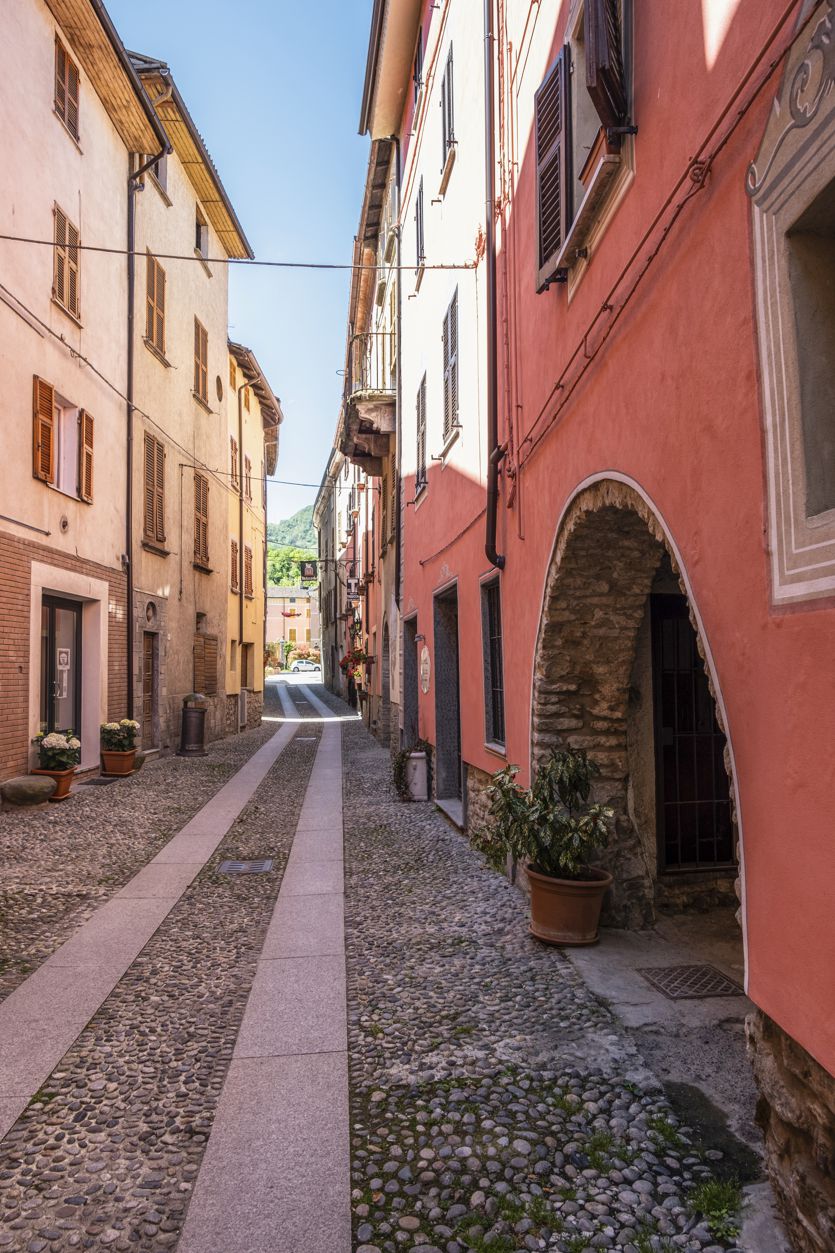
In the Alessandria region, canton stone dominates in Cella Monte and Rosignano Monferrato, the capitals of the infernot, the spectacular underground cellars dug by hand. Local stone is also the dominant element of the houses, whose walls sometimes enclose fossil shells. The Ecomuseum of Pietra da Cantoni and the Church of Saints Quirico and Giulitta are certainly worth a visit, while, leaving the village of Cella Monte, you can take the many walking and cycling routes to admire the Unesco hilly landscapes with paths among the vineyards, also discovering modern art under the open sky during the walk. For those seeking slow authenticity, Garbagna offers medieval enchantment and the unique flavour of its 'Bella' cherry, a Slow Food presidium to which a festival is dedicated in the first half of June. Here you can stop at the Church of San Giovanni Battista Decollato (with works of art and a 17th-century organ), the ruins of the castle and the Sanctuary of the Madonna del Lago, located in a meadowy area among the woods, built - according to tradition - following an apparition of the Virgin Mary in 1341. For those who love to walk, a beautiful and well-equipped series of panoramic paths over the Tortonese hills branches off from the village.