
Double term of office for rectors peeps out in Pnrr decree: here are those expiring
Lega and Fi amendments to make tenure in state universities renewable
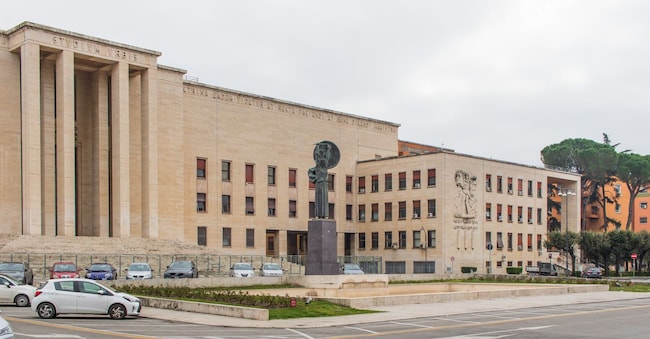
In state universities too, the term of office of rectors could become renewable, for a total term of ten years on the five-plus-five model. This would bring the model closer to the system already in place in private universities.
Previous attempts
The conditional is a must, since the issue has arisen and come up several times in recent months. For example, when on 29 January the Council of Ministers approved the latest Pnrr decree (Decree 19/2026, which was then published in the Official Gazette on 19 February). Already at that time there had been talk of including an amendment to that effect in the text, but without being able to find the balance. The scene was repeated at the technical round table on the reform of law 240/2010 wanted by the Minister of Universities, Anna Maria Bernini, who has been discussing the governance of the universities for months: in that case, too, the issue was on and off the agenda due to the impossibility of finding a synthesis.
The proposal
Trying it again are now in tandem the League and Forza Italia, which have tabled two identical amendments to the Pnrr Decree currently being examined by the Budget Committee in Montecitorio. The first is by Miele-Di Mattina; the second is by Cannizzaro. The proposed solution is the same. And it consists in reducing the tenure of rectors from six years to five, but making it renewable for another five years. Renewal would be subordinated - as stated in both proposed amendments - to 'a new election by the academic electorate'.
The restyling is completed, on the one hand, by the provision that rector mandates are to last for a maximum of ten years, even if not continuous, and, on the other hand, by the specification that elections for the office of rector are to be called at least 120 days before the natural end of the term of office and are to be concluded when there are no more than 45 days left.
The two amendments also propose the same transitional regime for the 'magnifici' currently in the saddle. More specifically, rectors expiring in 2026 may remain in their posts for the time strictly necessary to adapt the university statute to the changes and to have the electoral procedures carried out (which would necessarily have to be started by 1 September 2026 so that the new rectors would be in place, in any case, by 31 December 2026, ed.) Based on the premise that tenure is not equivalent to the renewal of a term of office, nor is it counted for the purposes of the new ten-year maximum limit, the proposed amendments to the Decree make a distinction between rectoral mandates that have already been completed as of the date of entry into force of the law converting this Decree and those that are still in office. For the former, it is provided that they may serve a further five-year term; for the latter, on the other hand, they are allowed to serve a second four-year term.

