In Rome, with the charm of the invitation to Palazzo
Classic hotels (with prestigious openings to come) are flanked by a choice of historic residences renovated in the name of design and innovating luxury hospitality in the capital
4' min read
4' min read
There is something new in Rome, or rather something ancient. In the tumultuous baraza of construction sites opened for the imminent Jubilee (the city awaits millions of tourists and tests the patience of those who live and work there) on the luxury hotel front, for example, renovations that have just been completed are being completed (the historic and centrally located Hotel d'Inghilterra, for example) and investments are being concentrated by the main brands and major players in the sector: the estimate for 2025 is for a 30% increase in extra-luxury rooms and a doubling in the next five years, with the likes of Mandarin, Four Seasons, Orient Express and so on in the field.
The New Historic Houses
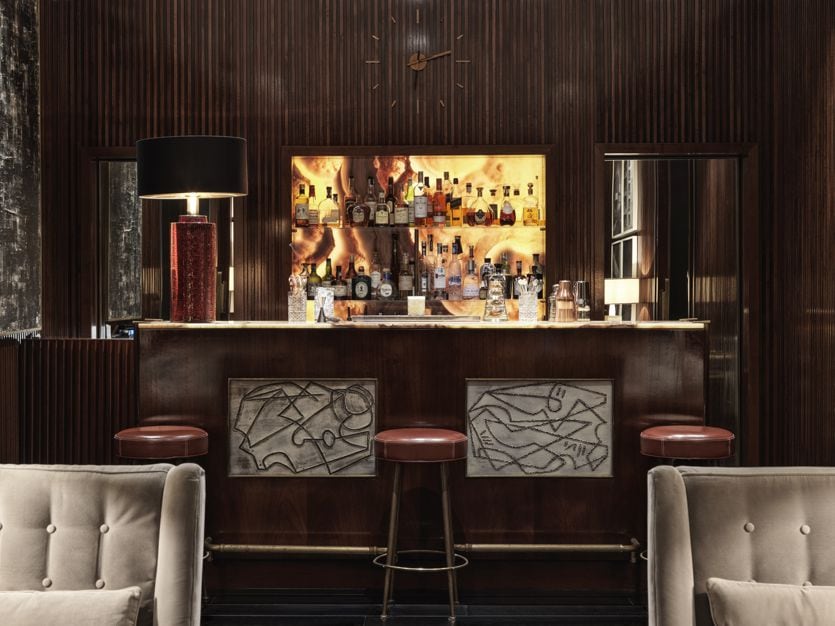
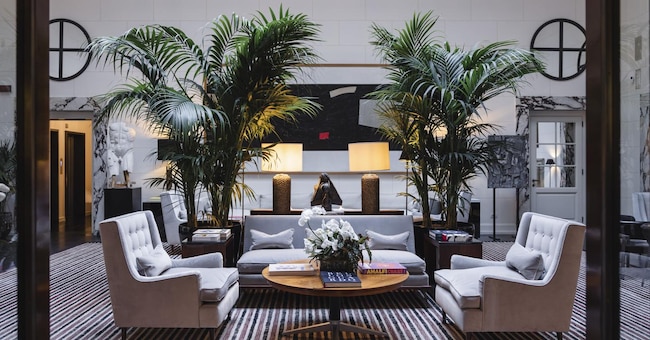
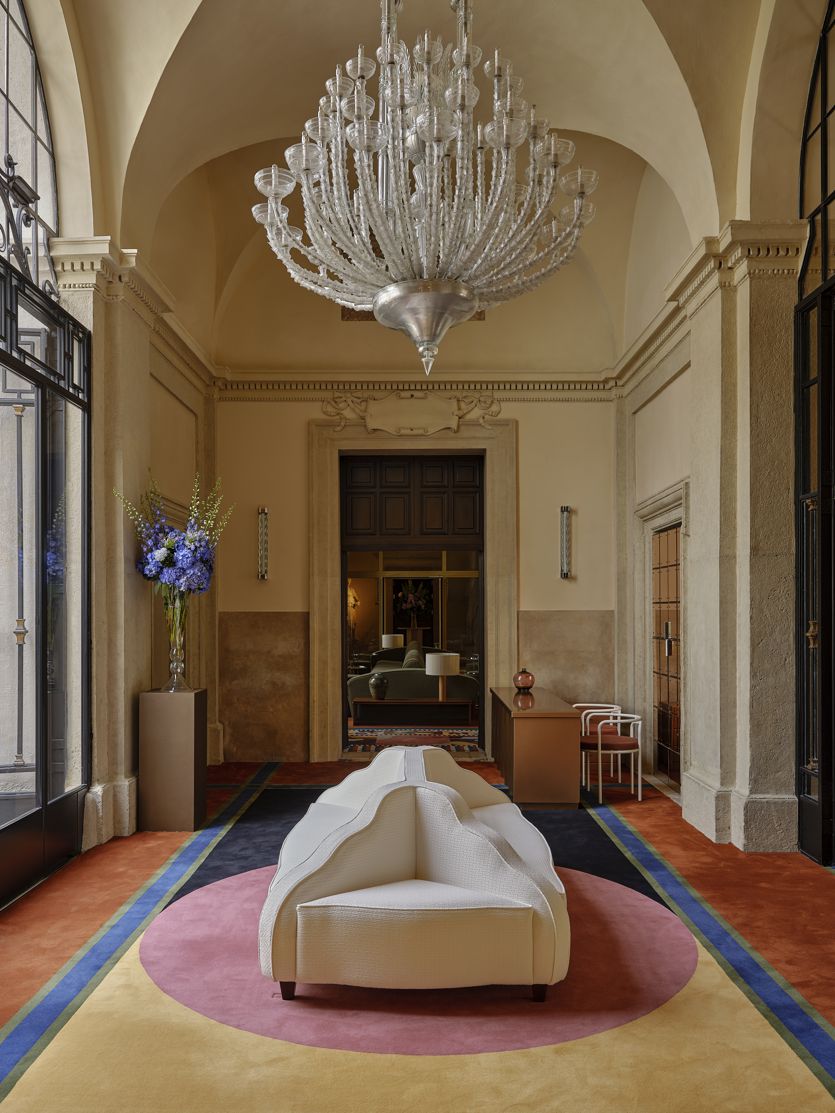
.Yet another reality is gaining ground, more intimate and no less valuable: that of restoring with commitment from the point of view of conservation (often supervised by the superintendence) and pushing contemporary design historic buildings and residences, sometimes public, sometimes private: independent realities of great charm and impact in the segment. The latest arrival is Palazzo Talìa (the first luxury hotel among the Federici family's properties), built in the spaces of the, well known to Romans, Collegio del Nazareno. Monumental spaces transformed into stage sets (in certain glimpses, it really does feel like being on a set) imagined by the Luca Guadagnino Studio - yes, the multifaceted director himself, an excellent interior decorator -, while the rooms have been designed and curated by Mia Home Design Gallery and Laura Feroldi Studio. And if many Romans arrive attracted by the transformation of their former school, others want to see Guadagnino's choices (carpets of geometric colours for a sure eye-catcher), while an excellent cocktail menu inspired by the Muses gives impetus to the bar, and the large garden (curious ovoid external lifts) is a valid opportunity for evenings: in the Roman 'october', being outside is a pleasure.
From Casa Monti to Palazzo Shedir
.And, speaking of design, the most recent opening cannot go unmentioned. After a run-in that began before the summer, the official opening of Casa Monti (a former barracks), an Italian structure of the French group Leitmotiv (in Paris it has the interesting La Fantaisie) with the skilful design, edited to the millimetre, of Laura Gonzalez.
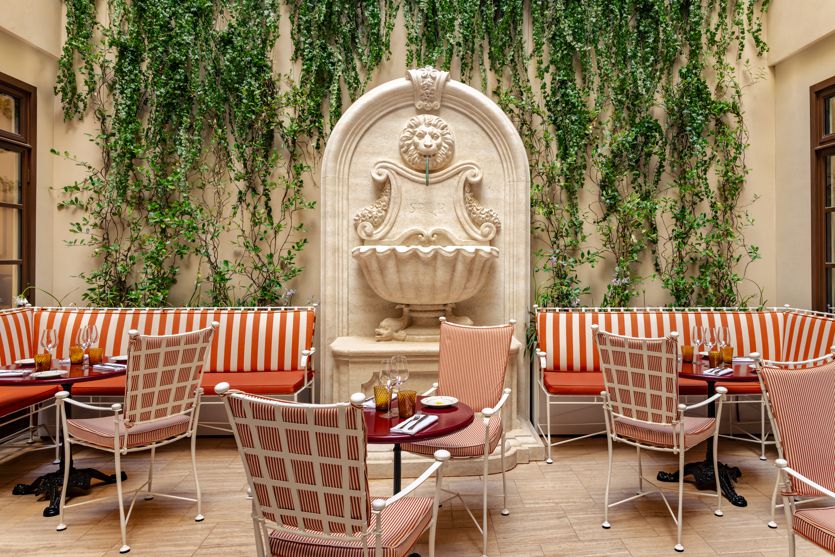
It tends towards a 'sprezzatura' that recalls the lively elegance of the Monti district, which is full of artistic and alternative shops. Besides the panoramic terrace and a spa frescoed with Romanesque motifs, small but complete, the plus is the detail: for me, the most cool design ever of the room slippers (martini glass on one foot, an olive stuck on the other, on red and white stripes), and the rooms set up, unbelievably, with 'real' books, curated by booksellers, sometimes referring to the customer's presumed tastes. Definitely a pleasant experience.
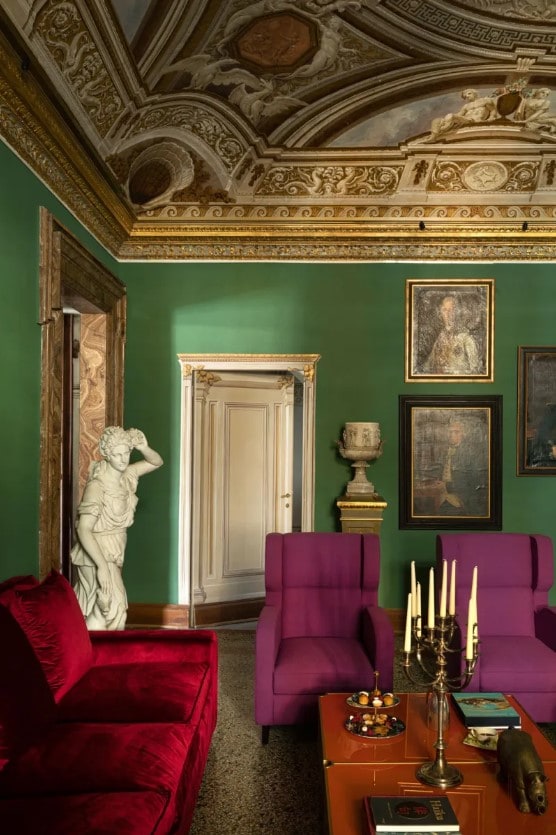
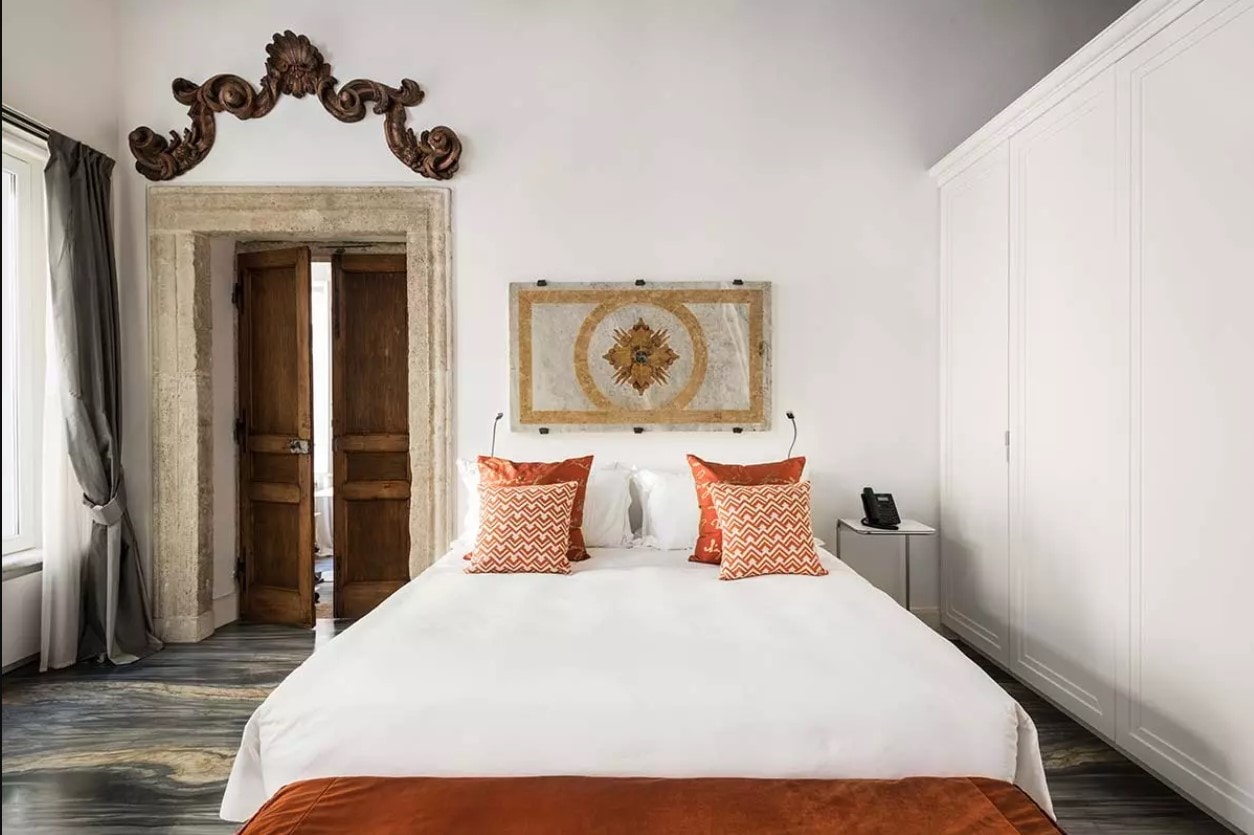
Turn a secret corner and a small door opens up to the fabulous Palazzo Shedir, only three suites and a superior room, while frescoed salons, perspective plays, stuccoes and rare marbles introduce you directly into the baroque house that once belonged to the Borghese family and still shares its garden with the Spanish embassy: only in Rome! Luxury of yesteryear; and the group (which in the city, among others, also has the little jewels of Umiltà36 and Vilòn) carefully selects the buildings on which to focus, creating oases of pleasure and privacy in the hustle and bustle of the city. Or, here is the Palazzo delle Pietre, an even different formula. Here it was the engineer Carlo Mazzi who restored the palace, which is included in the circuit of the Dimore Storiche Italiane (Italian Historic Houses): eight luxury flats, time travel and a superb collection of antiques and design pieces that furnish the rooms, meticulous care. In addition, a sort of cultural club that presents books, offers experiences and breaks away from the 'usual' services offered by hotels.