
Shell's first two agrovoltaic plants in Italy are in the province of Rovigo
Energy production goes hand in hand with agricultural production - Compensation and works for the municipalities concerned

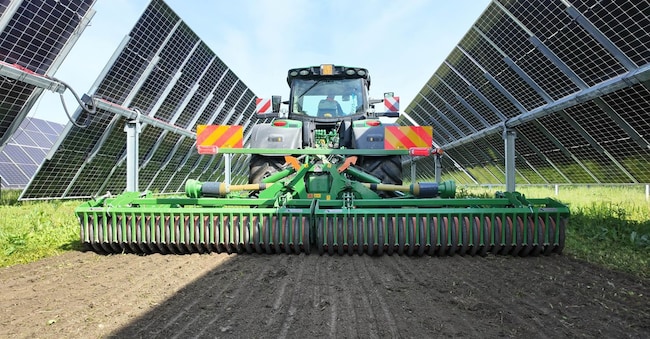
Energy production also goes hand in hand with agricultural production, as the photovoltaic panels are placed at a suitable distance to allow the passage of agricultural machinery. Not only that: thanks to the compensation provided for the construction of the plants, the municipalities hosting them will benefit from energy efficiency and urban viability projects.
This is the model for Shell's first two agri-voltaic plants in Italia, both of which were inaugurated in the province of Rovigo: one in Loreo and the other between the municipalities of Canda, Castelguglielmo and San Bellino.
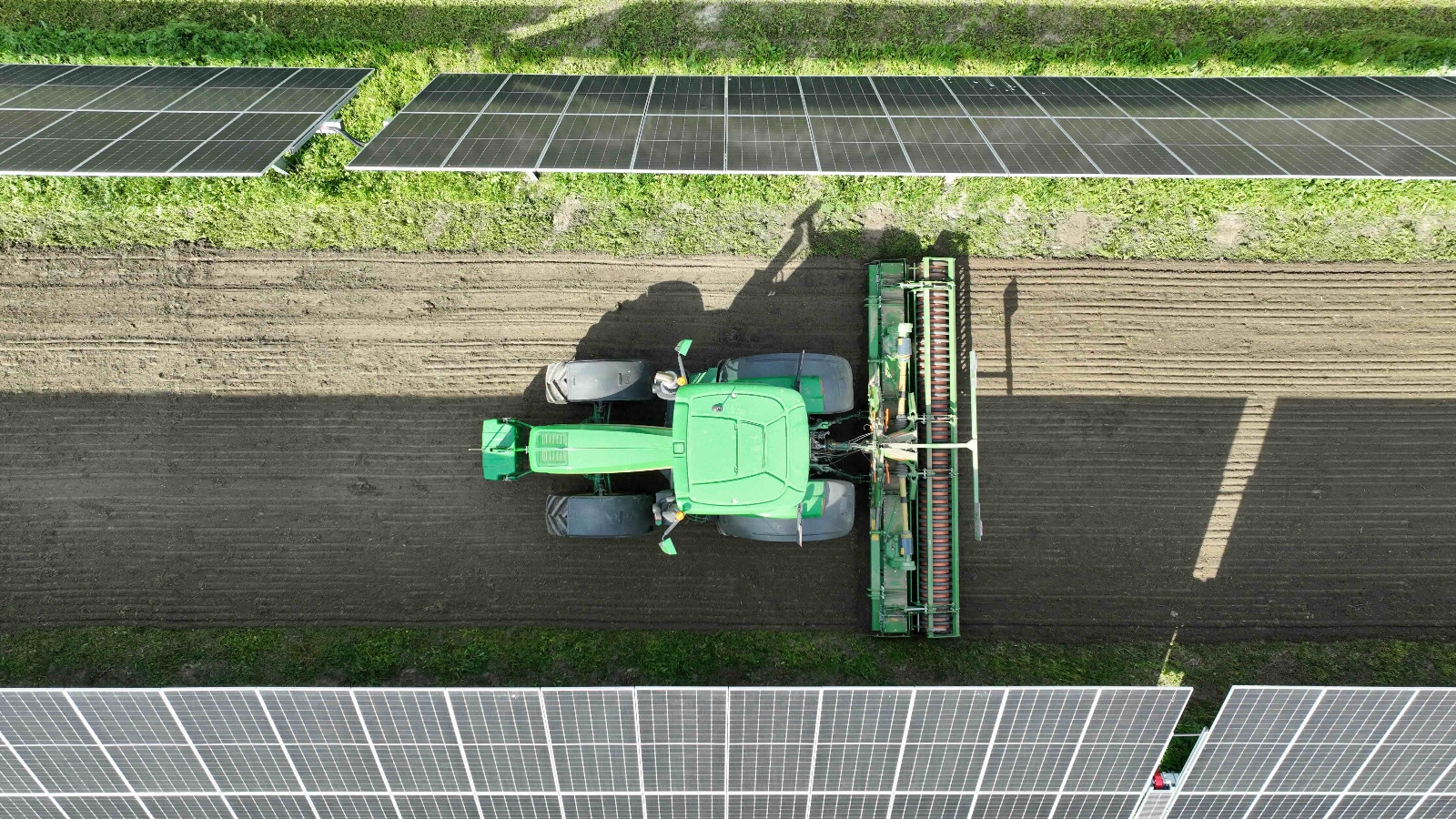
The model
In order to maximise the coexistence of energy production and agricultural production, both plants have an inter-row spacing of approximately eight metres and a high height above the ground (approximately three metres when the panels are in a horizontal position), thus guaranteeing the passage of medium-sized agricultural vehicles. Furthermore, to mitigate the visual presence of the plants, tree rows have been planted around the perimeter composed of different assortments of plants, thus increasing the biodiversity of the area and the quality of the soil.
In detail, the Canda plant has a generating capacity of 34.3 MWp, and produces about 55 GWh of photovoltaic energy per year, equal to the average needs of about 18,000 households (according to Arera processing). Energy production also goes hand in hand with agricultural production, thanks to the maintenance of the cultivatable surface area: with about 25 hectares of land used for rotational cultivation of wheat, soya, alfalfa, horticultural crops (such as tomatoes), cruciferous crops (cabbage and Savoy cabbage), grain legumes (peas and beans) and related species, according to the agronomic report drawn up in collaboration with the University of Padua.
In Loreo, the 'Marco Polo Solar 2' agri-voltaic project has a generation capacity of 42.1 MWp and produces about 70 GWh per year, equal to an average consumption of about 23,000 households*. Also in this case, thanks to the work conducted with the University of Padua, the architecture of the plant will allow the cultivation of about 37 hectares, sown with wheat, soya and alfalfa in rotation.

