
In Search of 20th Century Prague
An itinerary in the Old Town between Cubism, Modernism, Functionalism, up to the Brutalism of the 1960s
Visiting Prague is a lesson in architecture. Bombed but not devastated during World War II, the capital of the Czech Republic is almost intact, with its medieval, Renaissance, Baroque and neo-Renaissance, Art Nouveau (here Secession) buildings. We focused on architecture from the early 20th century to the present day. An itinerary in the Old Town between Cubism, Modernism, Functionalism, up to the Brutalism of the 1960s and later.
Here is the cubist-style House of the Black Madonna (1911-1912) by Josef Gočár. On the first floor, the Grand Café Orient takes you back in time, while the upper floors house the Museum of Czech Cubism. In Prague, this current finds a variant in Rondocubism. One example: Adria Palace, dating from 1925, by Pavel Janàk and Josef Zasche, the headquarters of the Adriatic Reunion of Security, the RAS in Trieste (all under the aegis of the Austro-Hungarian Empire until 1918). In contrast, we find the architect Adolf Loos (1870-1933) from Czechoslovakia but living in Vienna, considered the father of modernism, who considered ornamentation a crime. In Prague, his principles applied in purity distinguish the Villa Müller of 1930.
Along with him, the modernist Jan Kotěra set the pace in the first decade of the 20th century (among many works, the Faculty of Law at Charles University, completed in 1923). Functionalist, the Veletržní palác, Fair Palace - which attracted the interest of Gropius - by Josef Fuchs and Oldřich Tyl, opened in 1928. It houses an impressive collection of Czech (as well as international) art.
Functionalists
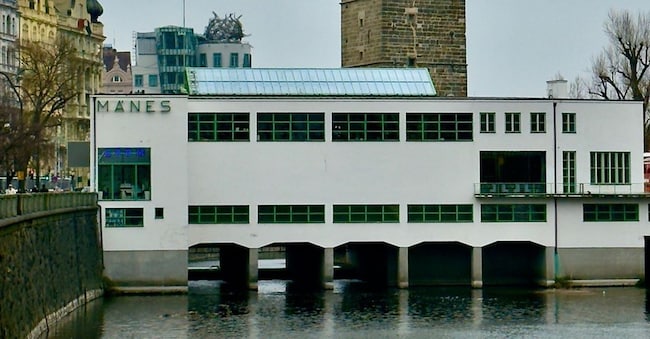
Still functionalist is the Mánes exhibition hall on Moldova, by architect Otakar Novotny, a pupil of Kotěra, opened in 1930. Among the two most impressive examples of Brutalist style are the new Fairmont Golden Prague Hotel and Nová Scéna. The former is the successor to the Intercontinental Hotel, a 1970s work by architect Karel Filsak, with a team of colleagues, artists and designers.
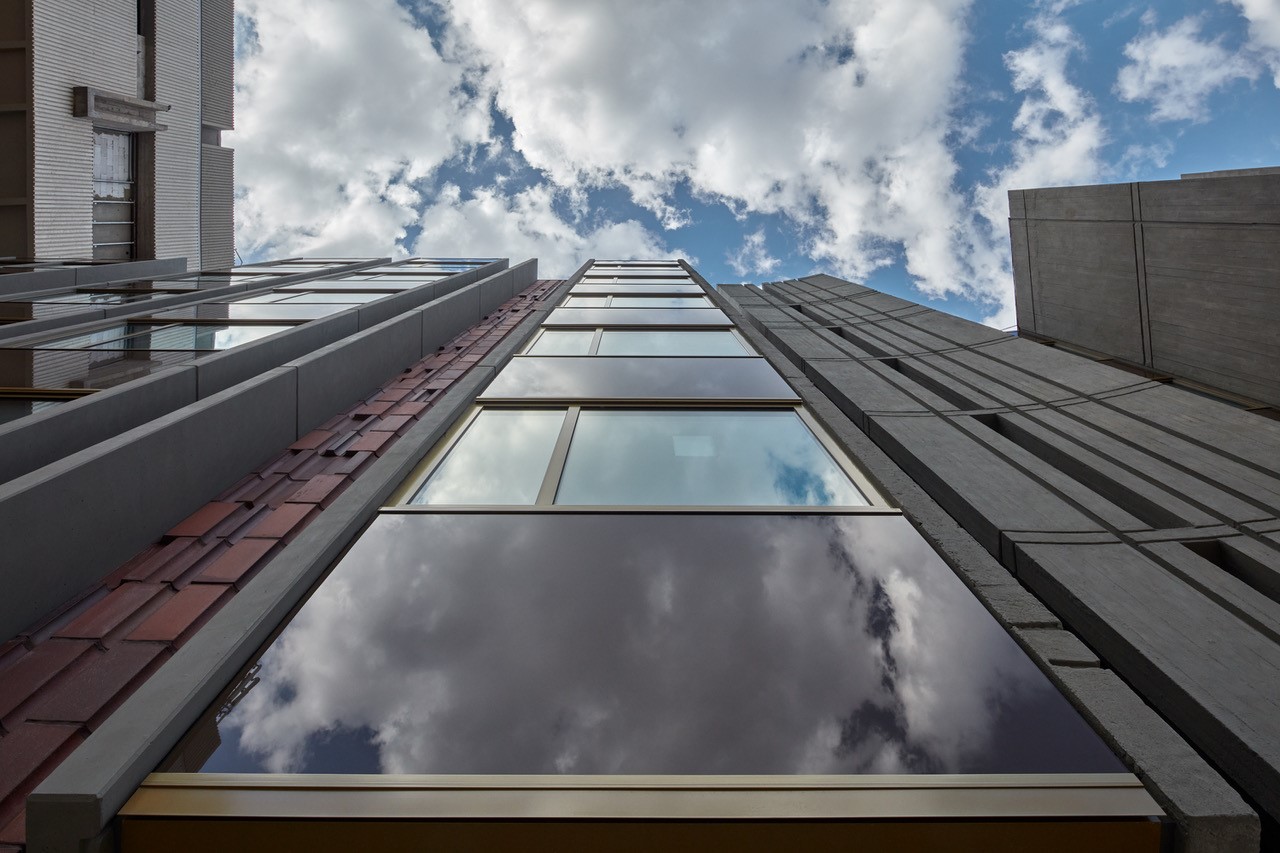
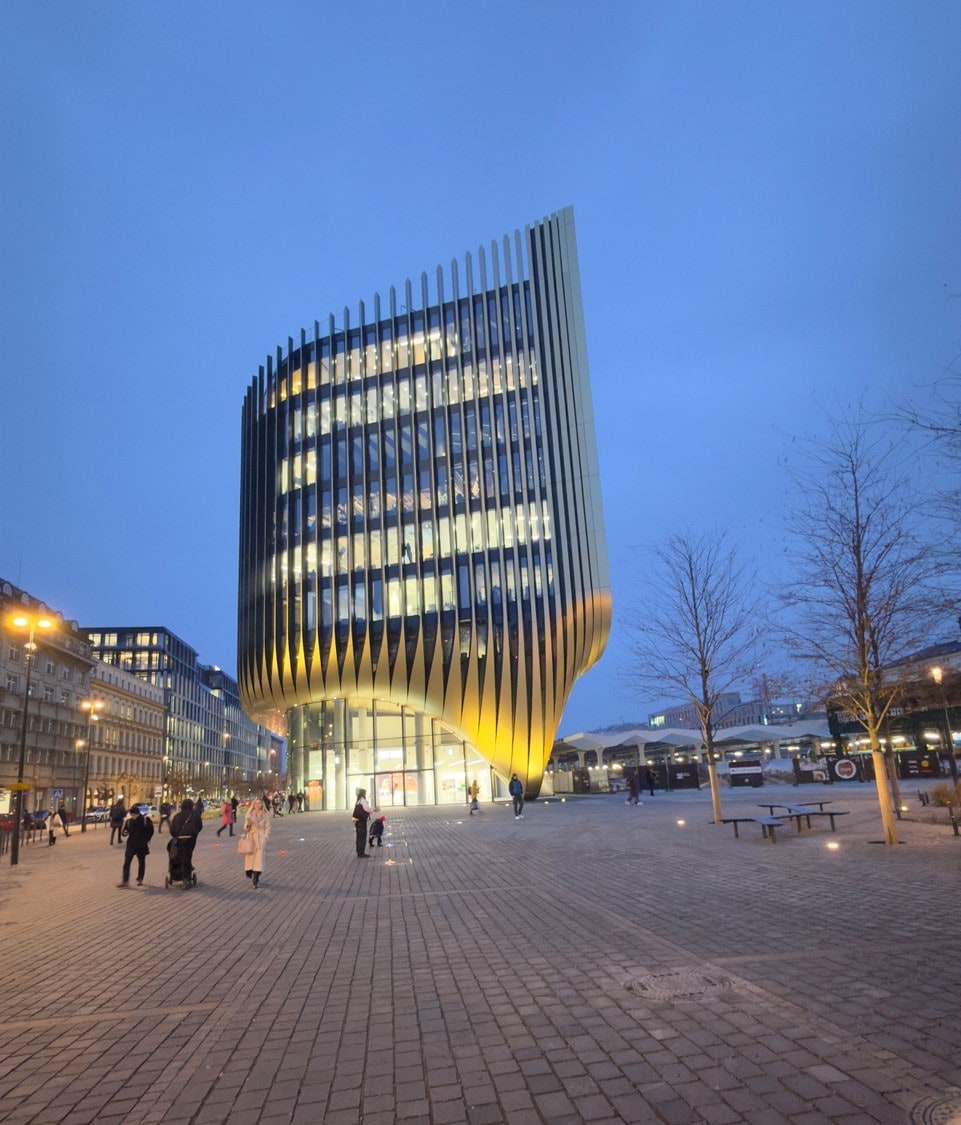
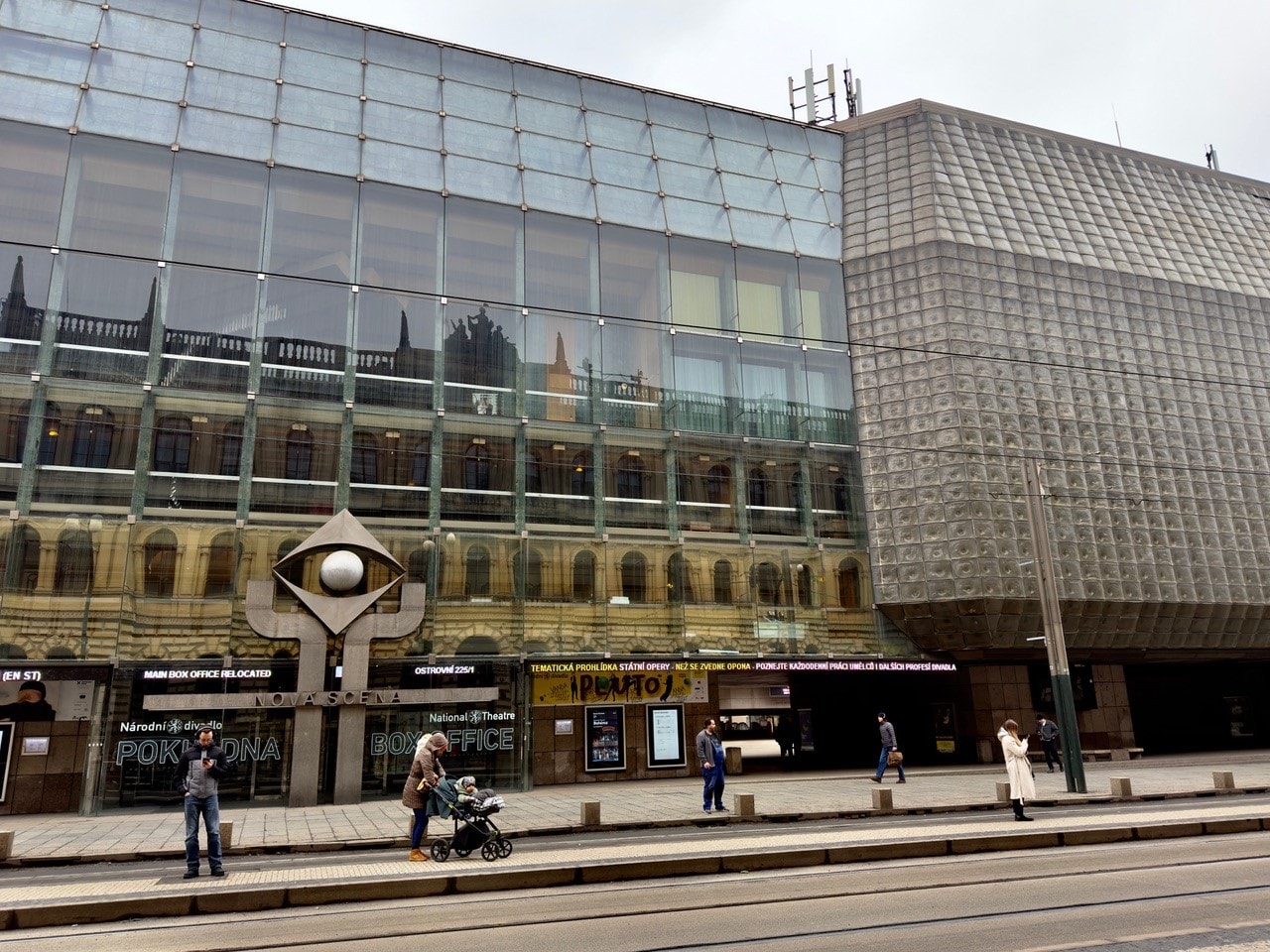
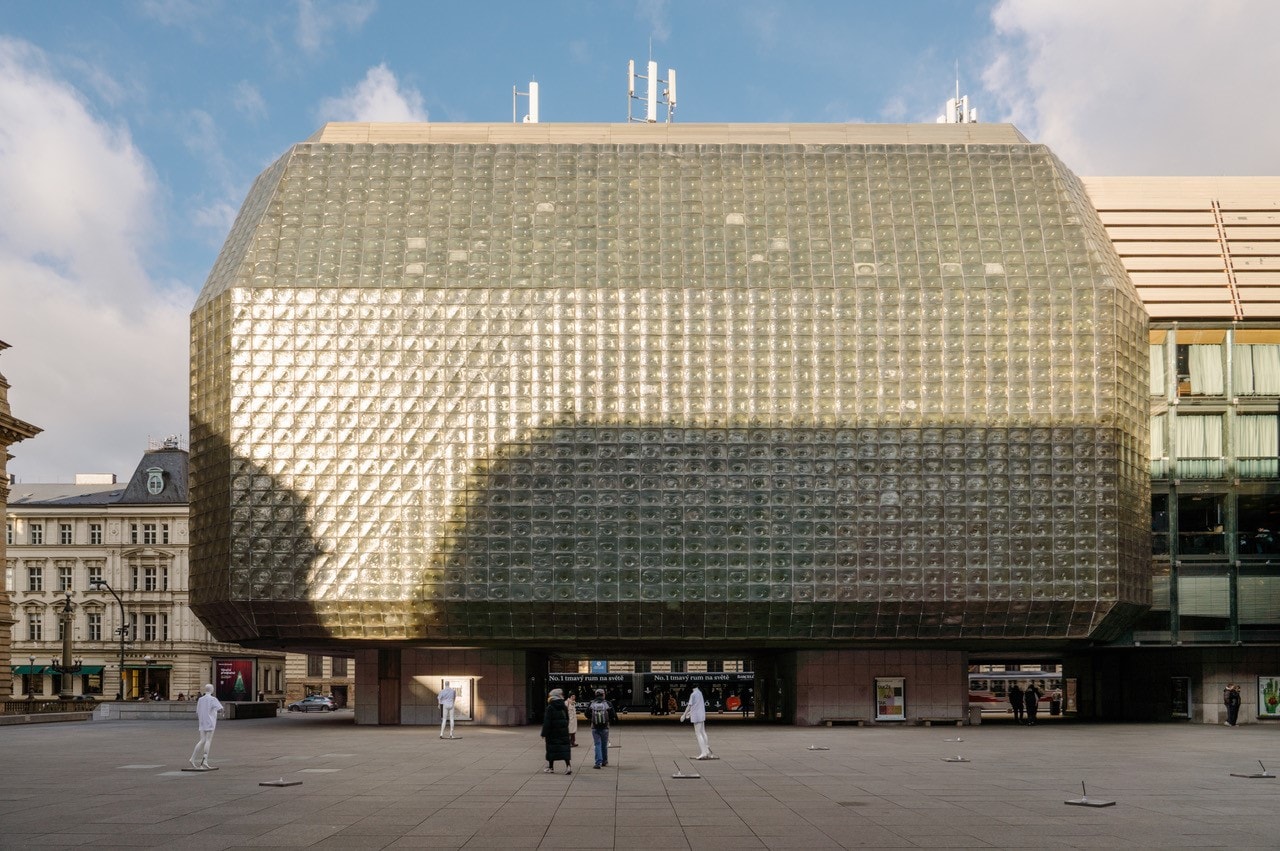
After a long period of neglect, it was reborn - by TaK Architects - preserving the original structure and characteristic elements. The second is the impressive new National Theatre by architect Karel Prager, between 1977 and 1983, made of blown glass blocks. Finally, a contemporary touch: the Masaryčka building by Zaha Hadid Architects, from 2024. Extra large, sculptural and functional, it integrates offices, a station and a public square. The Prague architectural tradition continues.

