
In South Africa, Ramaphosa has (for now) avoided impeachment
A court has suspended proceedings in the case involving the theft of nearly 600,000 US dollars from a ranch and their concealment in a sofa
from our correspondent Alberto Magnani
 Aggiungi Il Sole 24 Ore
ai preferiti su Google
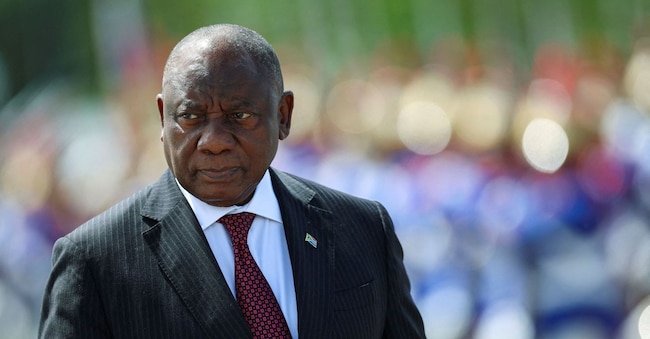
NAIROBI – Cyril Ramaphosa has, for the time being, avoided the prospect of impeachment. The Western Cape High Court has ordered the suspension of proceedings against the South African leader, ‘temporarily’ halting the impeachment proceedings relating to the so-called Farmgate scandal: the scandal involving US$580,000 in cash stolen from his presidential ranch in 2020, which resurfaced in a 2022 report alleging various offences against the president and leader of the African National Congress.
The ruling allows the commission of inquiry to continue its preparatory work pending the two new hearings on the case, which have already been scheduled for early September. Ramaphosa has welcomed a ruling triggered by an appeal he lodged and reiterates his ‘respect for the independence of the judiciary’, stating that he is ready to cooperate with the judiciary. This recent victory postpones the showdown over the inquiry and the vote in the Pretoria Parliament, but it does not defuse the legal and political risks underlying one of the thorniest episodes since his rise to the presidency in 2018.
The saga of the ‘sofa scandal’ and Ramaphosa’s strategy
MPs relaunched the impeachment proceedings in June after the Constitutional Court, South Africa’s supreme court, struck down a legal shield put in place by the African National Congress majority to block the investigations.
Ramaphosa lodged his appeal, securing a reprieve that appears to be putting the situation on hold rather than averting the prospect of a political capitulation within the party and the grand coalition cobbled together after the 2024 elections: the vote that marked the ANC’s collapse below the psychological and political threshold of 50 per cent, forcing it to form the government of national unity that remains in office to this day, alongside the liberals of the Democratic Alliance and other minor parties. “The stay remains in force until the court rules on the main issue: namely, whether the grounds for impeachment exist,” explains Mcebisi Ndletyana of the University of Johannesburg, expressing scepticism about the “momentum” attributed to Ramaphosa by some media outlets.
Ramaphosa will seek to delay a legal showdown for as long as possible in order to avoid political and legal consequences, explains independent analyst Marisa Lourenço. Politically, the aim is to hold out until the end of 2027 and emerge unscathed from the ANC’s internal elections, thereby avoiding a succession crisis that could prove ‘problematic’ for the party. On the legal front, Ramaphosa is aware of the repercussions that may await him should the way be cleared for impeachment. The incumbent leader, says Lourenço, knows that the procedure could ‘upset his presidency and be detrimental to the party, but also force him to face criminal charges’.


