
In South Africa, the ANC is heading towards an all-time low, sparking a coalition conundrum
The party is polling at 32 per cent, cementing a crisis marked by the loss of its majority in 2024
from our correspondent Alberto Magnani
 Aggiungi Il Sole 24 Ore
ai preferiti su Google
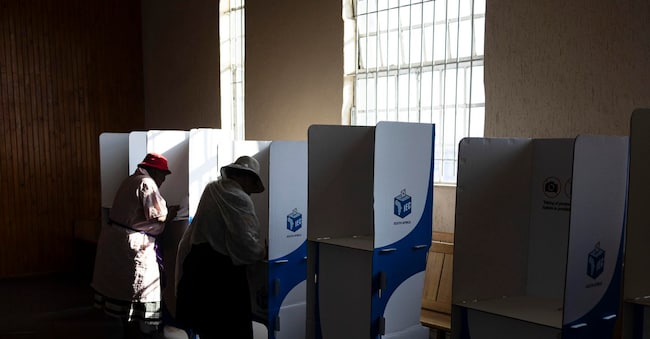
NAIROBI – The African National Congress is heading for the worst result in its electoral history, suffering a crushing defeat that exacerbates its crisis and paves the way for a conundrum of local coalitions in South Africa. According to estimates released as the count nears completion, the ANC is projected to secure 32 per cent of the vote in the municipal elections on 4 November, compared with 24 per cent for the Democratic Alliance.
A slump of at least eight percentage points compared with the 40 per cent achieved in the 2024 general election, and of nearly 14 percentage points compared with 45.6 per cent, sealing a decline that cost the party the parliamentary majority it had held since the end of apartheid in the early 1990s. Today, the ANC governs alongside the Democratic Alliance in a ‘government of national unity’ cobbled together after the shock result two years ago, in the interval between the first warning signs from the local polls and the confirmation that came in the latest round of elections.
The balance of power within the coalition, already undermined by disagreements between the two main shareholders, could be shaken or reshaped following the collapse of the party to which the incumbent president, Cyril Ramaphosa, also belongs. The Democratic Alliance is leading in Cape Town, Johannesburg and Pretoria, but in the latter two and in the other metropolitan municipalities, the situation is heading towards a scenario of local coalitions. The composition of these coalitions is not yet clear.
The collapse of the ANC and its implications for the ‘GNU’
The electoral defeat deals a fresh blow to the incumbent president and ANC leader, Cyril Ramaphosa, who has been in office since 2018 and was the architect of the Government of National Unity (GNU) experiment. The ANC’s crisis has been dragging on for years and appears to be paying the price, in terms of public support across the country, for the widespread service failures in the 257 municipalities where elections were held.


