
In Sulcis Iglesiente the Fund opens for social housing
Not only energy transition and new business initiatives. The Just Transition Fund of the Sulcis Iglesiente also looks at social housing and plans to allocate about EUR 50 million to the sector. Resources that should be recovered from the areas that have not received proposals, in a step deemed necessary to ensure that all of the EUR 367 million earmarked for the 24 municipalities in the Sulcis Iglesiente area are spent.
The first step was taken by the European Commission, which approved the regulation. "This means that, as established by the Monitoring Committee, the mesh is widened and, in this case, the way is cleared for the social housing project," emphasises Daniele Reginali, a member of the Committee and councillor for Planning and Budget for the municipality of Iglesias. Before the operational definition, however, there will be a further step in the Region, 'to incorporate the amendment to the regulation and then proceed with the resolution. The resources that will be earmarked for social housing, before being put on the ground, will therefore have to wait for a further step: 'It will be up to the municipalities to define the projects and intervention programmes,' adds Reginali.
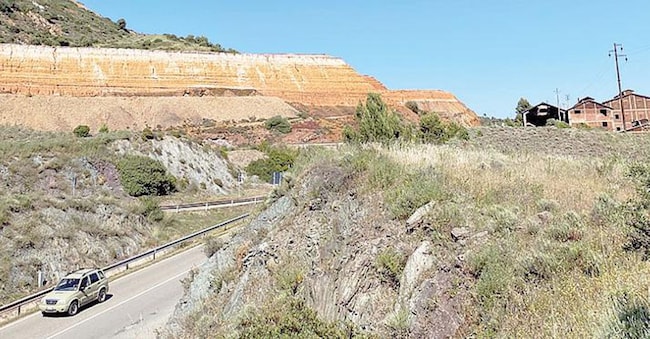
The other projects planned for the revitalisation of the area, which includes 24 municipalities and which until a few years ago was referred to in all major reports as the 'poorest province in Italia', have already begun. In first place, in terms of the share of resources allocated, there are obviously the environmental reclamation works: reclamation and restoration of areas marked by the legacy of mining activities now abandoned. "An important slice goes to the plans for environmental reclamation," Reginali adds. "In this case, the resources in the field amount to 150 million euro and are also used for projects concerning the Rio San Giorgio valley, in Iglesias. In this area, the intervention envisages the removal of the residues of mining workings that, until much of the second half of the 20th century, took place under the aegis of various companies. "To these interventions," continues Reginali, "must be added other works, of a smaller scale and amount, which will affect both Portovesme and Carbonia.
But that is not all. In the action plan there are also other initiatives affecting different sectors. Part of the incentives for small and medium-sized enterprises, approximately 20 million euro, will in fact be used to finance projects to improve energy performance. An intervention, the programme outlines, 'aimed at supporting the local production system in the paths of energy efficiency and sustainable transition, contributing to the Jtf Programme's objectives of accompanying the territories most exposed to the challenges of the transition towards a climate-neutral economy'.
The notices, which are now closed, also cover the promotion of the use of renewable energies, support for up-skilling and re-skilling pathways for the unemployed, unemployable and workers at risk as a result of transition, investment in technical training and advanced training, the strengthening of services for job search and new business creation, and the active inclusion of job seekers, not forgetting support for transition and diversification of the local economy, including through research projects.

