
In the Caprera Canyon, the 'kingdom' of biodiversity and refuge for cetaceans
The study by the Sea Me Sardinia association, carried out with the support of One Ocean Foundation, was published in the scientific journal Plos One

2' min read
2' min read
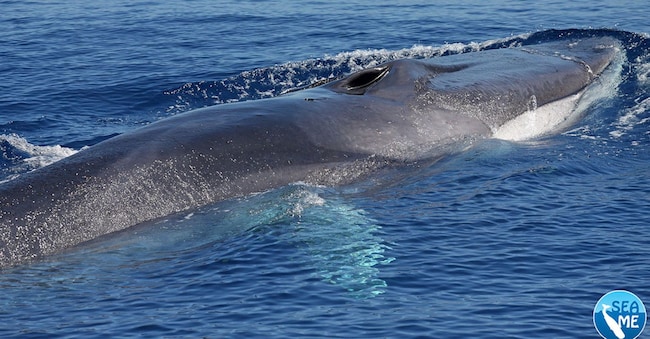
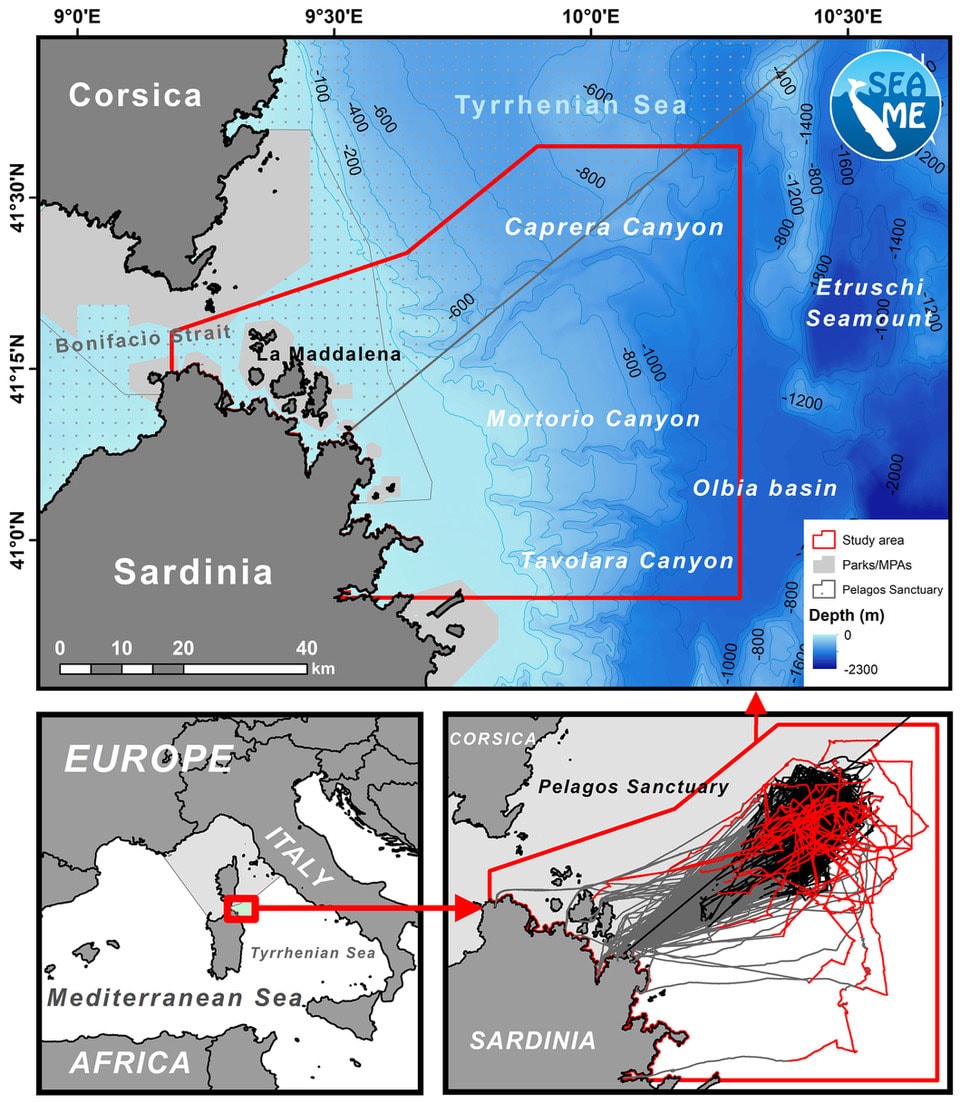
Off the coast of north-eastern Sardinia, the 'kingdom' of biodiversity and refuge for cetaceans in the western Mediterranean. This is the Caprera Canyon, located between 15 and 30 miles off the north-east of the island in international waters and considered to be 'one of the largest underwater canyons in the Tyrrhenian Sea region' due to its depth of 1,000 metres. This area is considered, as pointed out by a study carried out by the Sea Me Sardinia association (with the support of several funding bodies, including One Ocean Foundation, and published in the international scientific journal PLOS One), 'an important hotspot for cetaceans and a focal point for the conservation of marine biodiversity in the Mediterranean'.
Nine years of investigations
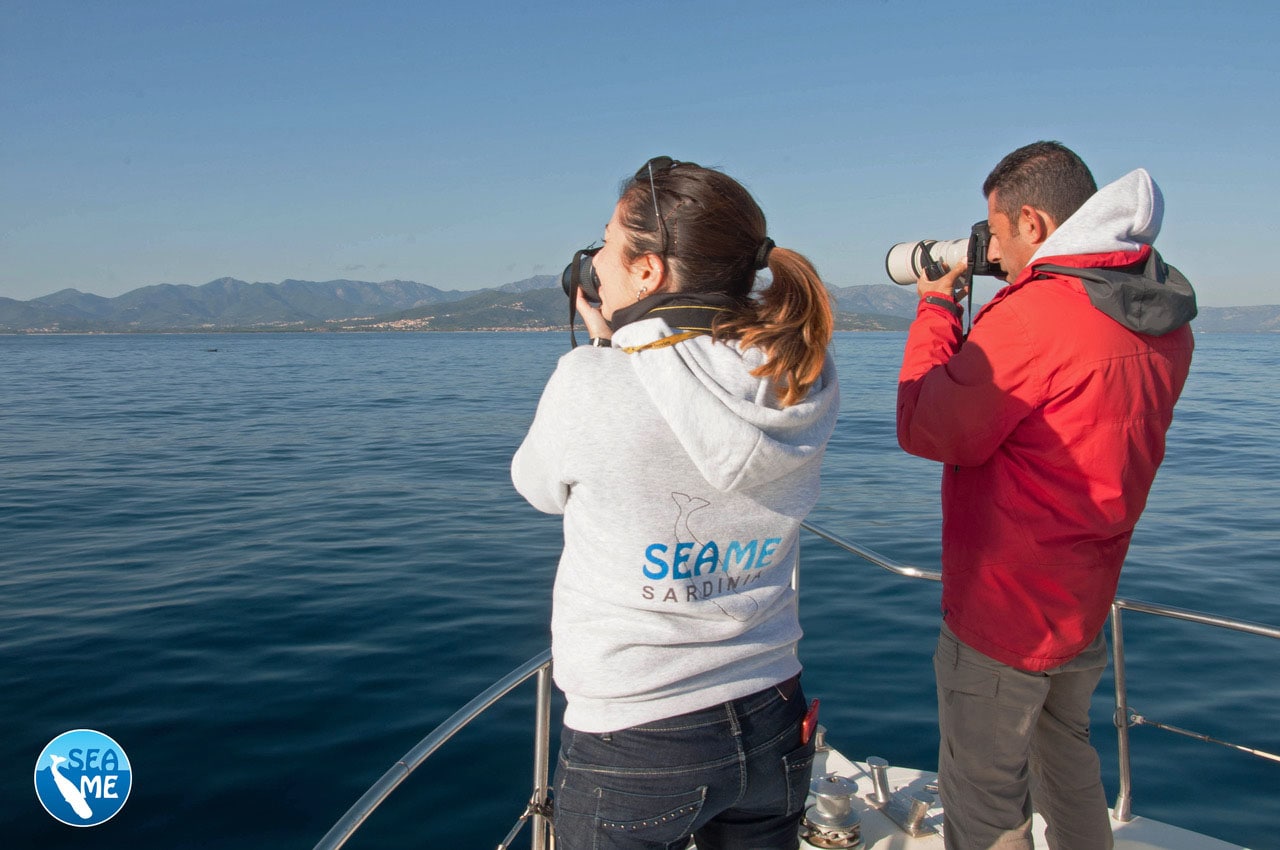
.Over a period of nine years, i.e. from 2011 to 2019, the researchers carried out 216 expeditions at sea, covering more than 30,000 kilometres and recording 810 sightings. During these observations, seven of the eight cetacean species regularly found in the Mediterranean were identified, "confirming the high diversity and ecological relevance of the Caprera Canyon". Among the species observed are the striped dolphin, fin whale, zephyrus, sperm whale, common dolphin, grampus and bottlenose dolphin. Two occasional sightings of a species belonging to the zyphid family were also reported in the same area: the Sowerby mesoplodon (Mesoplodon densirostris). In addition to cetaceans, the area is home to other species of ecological and conservation importance, including sea turtles (Caretta caretta), cartilaginous fish such as mobula and various species of sharks and seabirds.
Threats to the marine species
."However, like the rest of the Mediterranean, this pelagic marine area also presents a number of anthropogenic threats, including the effects of intense nautical traffic, intensive fishing and pollution (both chemical and noise)," the association points out. Of particular concern are the risk of collision with ships and boats, bycatch by fishing gear, and disturbance from underwater noise, especially for sensitive species such as the zyphium. These factors can also lead to direct mortality and therefore highlight the urgent need to implement effective protection measures. Added to this are the large-scale consequences of ongoing climate change, which affect various factors such as, for example, prey distribution and movements'. The research also 'supports the candidature of the Caprera Canyon as an Imma (Important Marine Mammal Area), an area identified as crucial for the survival and welfare of marine mammals'.
"Despite its ecological value, the Caprera Canyon is still exposed to strong anthropogenic pressures," says Jan Pachner, Secretary General of One Ocean Foundation . This is why One Ocean Foundation is at the forefront with scientific activities and concrete actions to strengthen protection measures and ensure the conservation of this unique ecosystem".

