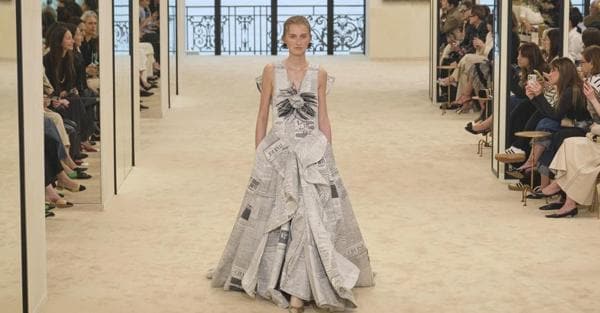
In The Devil Wears Prada 2 the portrait of a fashion in crisis but immortal
In Italian cinemas, the realistic and at times bitter second chapter of the filmic tale of the fashion industry and fashion journalism. Who can save and renew themselves if they return to being themselves

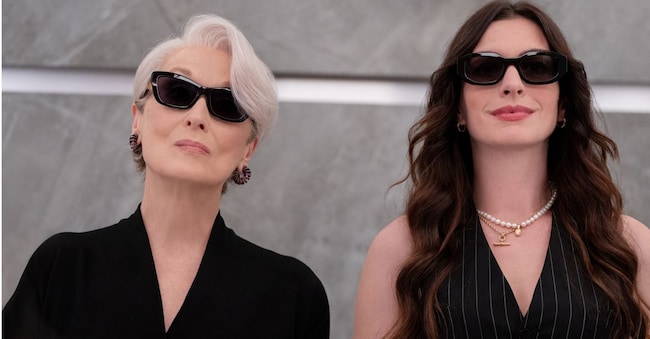
If you want to remember the fashion world of The Devil Wears Prada 1, shining and proud and twenty years younger, don't go and see The Devil Wears Prada 2. If you want to see what it has become, dragging fashion journalism with it, go. Whatever the choice, be a conscious one. Leaving aside the film criticism - in any case, the actresses and actors are so talented and intelligent that they surf the pitfalls of time with skill and style, but viewing in the original language is absolutely recommended -, the reflection is limited to the depiction of the end of one world dialoguing with the hope in the beginning of another.
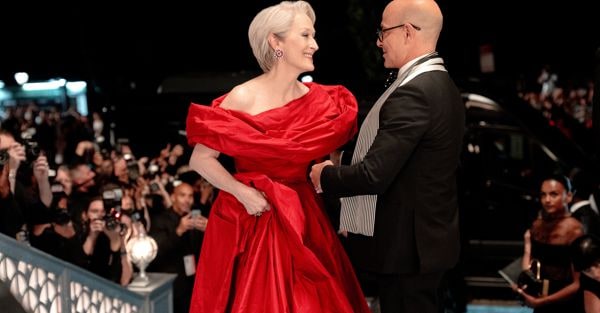
Let us remind ourselves of what is already known: Runway, the epitome of fashion magazines, is in crisis. The offices are more beautiful but reduced, for a shoot there are three looks and two days (cit.) instead of endless wardrobes and two weeks. Speaking of the wardrobe in which to fish for fabulous, transformative looks, it too has now shrunk, to little more than a room. Miranda is forced to go down to the building's cafeteria, where in 20+ years she had never been.
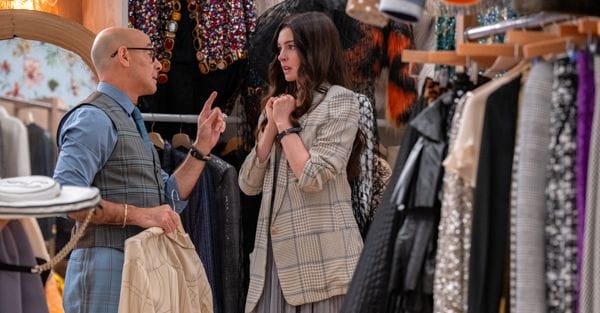
Obviously, the monstrous format of the September issue - the biggest issue of the year, chock-full of advertisements - is just a memory, content is by scrolls, success by metrics. And it will be a 'viral' scandal, complete with effective memes, that will throw the whole system into crisis. Contemporary themes touch on, more or less quickly, all of them: someone dresses second-hand, fast fashion is a source of scandal, dismissals come via chat. But above all, journalism is increasingly hostage to advertisers, with Emily sadly transformed into a cynical virago who, while accompanying Andy on a tour of a multi-million dollar flagship store, states peremptorily that 'luxury retail is the only sector that makes a profit'.
The character who best embodies this new course is a newcomer, Amari, Miranda's new secretary, who dares to do something unheard of twenty years ago but now quite understandably permitted: to take Miranda back onto the rails of politically correct, of what you can and cannot think, say, do and write. True, in these 20 years the freest and happiest creativity in fashion has been caged by its overt financialisation, by the fear of risk that is instead a propeller of novelty. Such are the cases of the ingenious and crazy John Galliano, the Marc Jacobs and the Alexander McQueen shredded by the system that brought them glory, as the 2022 series 'Kingdom of Dreams' recounts effectively.
And when a magazine is no longer going, and the pure editors disappear, the only salvation comes from a tech entrepreneur enhanced by a decidedly glow up (any reference to Bezos, who by the way will be sponsoring the upcoming Met Gala, is not purely causal) who thinks that models will be replaced by artificial intelligence (a statement all the more shocking because it was shared under Leonardo's Last Supper), or by philanthropists who have a lot of money but no real closeness to fashion, and who therefore admit their full and serene disinterest.